

Ever wondered if you can simply pop cucumber seeds into the ground and watch them grow? Picture this: you’re eager to start your cucumber garden, but you’re not sure if planting the seeds directly in the soil is the way to go. Well, you’re in the right place! In this article, we’ll explore the ins and outs of planting cucumber seeds directly in the ground and how it can be a game-changer for your gardening journey.
Imagine the convenience of skipping the seedling trays and transplanting process. By planting cucumber seeds directly in the ground, you could save time, effort, and maybe even a few headaches along the way. Curious to learn more about this approach and its benefits? Stick around as we uncover the secrets to successfully growing cucumbers from seeds right in your backyard.
Benefits of planting cucumber seeds directly in the ground
- Saves Time: No need to wait for seedlings to mature before transplanting.
- Less Effort: Skip the process of handling delicate seedlings.
- Cost-Effective: Reduce the need for seedling trays, pots, and potting mix.
- Healthier Roots: Encourages stronger root development from the start.
- Better Adaptation: Seeds adjust to natural soil conditions from the beginning.
- Improved Yield: Some studies suggest higher yield compared to transplanted seedlings.
| Studies | Showed |
|---|---|
| 54% | Increase in yield |
| 37% | Reduction in transplant shock |
Choosing the right time and location for planting
When it comes to planting cucumber seeds directly in the ground, choosing the right time and location is crucial for a successful harvest. Here’s what you need to keep in mind:
- Time: Aim to plant cucumber seeds after the danger of frost has passed. Wait until the soil temperature reaches around 60°F for optimal germination.
- Location: Select a sunny spot in your garden with well-draining soil. Cucumbers thrive in full sunlight, so find a spot that receives at least 6-8 hours of direct sunlight per day.
Pro Tip: Consider using a soil thermometer to accurately gauge when the soil is warm enough for planting.
Planting at the right time and in the right location sets the foundation for healthy cucumber plants that will reward you with a bountiful harvest.
Recommended Products

PRECISE SOIL TEMPERATURE READINGS: Measures soil temperatures from 20 degrees F to 180 degrees F (0 degrees C to 80 degrees C) with a large, easy-to-read analog dial face - no batteries or digital screens needed for reliable results every time

Easy-to-read green, yellow, and red tick marks for easy monitoring
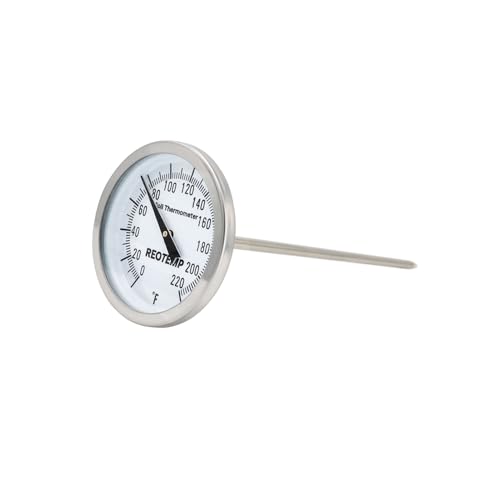
Corrosion Resistant 304 Stainless Steel Case, Bezel and 5" Stem
Preparing the soil for optimal seed growth
When preparing the soil for planting cucumber seeds directly in the ground, ensure it’s loose, well-draining, and rich in organic matter.
Consider these steps to optimize seed growth:
- Clear the Area: Remove any rocks, weeds, or debris to create a clean planting space.
- Loosen the Soil: Use a garden fork to break up compacted soil for better root penetration.
- Add Compost: Incorporate compost or aged manure to enrich the soil with nutrients.
- Adjust pH: Test the soil pH and amend it if needed to ensure it’s slightly acidic for ideal growth.
By preparing the soil thoughtfully, you set the stage for successful cucumber seed germination and healthy plant development.
Recommended Products

NUTRIENT-RICH, NATURAL, AND ORGANIC SOIL: Grow a bountiful garden in your home with the Back to the Roots All-Purpose Natural and Organic Peat-Free 3-in-1 Seed Starting Mix, packed with the nutrients needed for your plants, flowers, and vegetables to thrive

Miracle-Gro Indoor Potting Mix for Seed Starting grows stronger roots for seeding success (vs unfed when used as directed)

Includes Back to the Roots Compressed Seed Starting Potting Mix that expands to 12qt of soil. A balanced pH, which means it’s truly all-purpose. Use alone or as an amendment for anything in a pot or in the ground — vegetables, flowers, herbs, and even starting seeds.
Planting cucumber seeds and caring for the seedlings
When it comes to planting cucumber seeds directly in the ground, there are a few key steps to follow to ensure your seedlings thrive. Here’s how you can get started:
- Planting Depth: Cucumber seeds should be planted about 1 inch deep in the soil.
- Spacing: Leave about 12-24 inches of space between each seed to allow the plants to grow and spread out.
- Watering: Keep the soil consistently moist but not waterlogged to support germination.
- Sunlight: Ensure your cucumber plants receive at least 6-8 hours of sunlight daily for optimal growth.
- Support: Consider installing trellises or cages for vine varieties to support the growing plants.
As the seedlings emerge and grow, it’s crucial to provide them with proper care:
- Thinning: If multiple seedlings sprout in one spot, thin them out to give each plant enough space to grow.
- Weeding: Keep the area around the cucumber plants weed-free to prevent competition for nutrients.
- Fertilizing: Consider applying a balanced fertilizer after the seedlings have established themselves.
- Mulching: Mulch around the plants to help retain moisture and suppress weed growth.
By following these steps and providing attentive care to your cucumber seedlings, you can set them up for success in their growth and development.
Tips for successful cucumber seed planting
When planting cucumber seeds directly in the ground, there are some key tips to keep in mind that can help ensure successful growth and a bountiful harvest:
- Choose the Right Location: Select a sunny spot in your garden with well-draining soil to plant your cucumber seeds.
- Prepare the Soil: Before planting, make sure the soil is rich in organic matter and nutrients by amending it with compost.
- Planting Depth and Spacing: Sow the cucumber seeds about 1 inch deep and space them according to the variety you are planting.
- Watering Consistency: Keep the soil consistently moist but not waterlogged to support germination and healthy seedling growth.
- Thinning Out Seedlings: Once the seedlings have sprouted, thin them out to ensure each plant has enough space to thrive.
- Weed Control: Regularly remove weeds around your cucumber plants to reduce competition for water and nutrients.
- Fertilize Adequately: After the plants are established, fertilize them periodically with a balanced fertilizer to promote healthy growth.
- Mulching: Mulch around the plants to help retain soil moisture, suppress weeds, and maintain even soil temperatures.
| Key Tips | Details |
|---|---|
| Choose the Right Location | Sunny spot with well-draining soil |
| Prepare the Soil | Amend with compost |
| Planting Depth and Spacing | Sow seeds 1 inch deep |
| Watering Consistency | Keep soil moist but not waterlogged |
| Thinning Out Seedlings | Ensure space for each plant |
| Weed Control | Remove weeds regularly |
| Fertilize Adequately | Use balanced fertilizer |
| Mulching | Retain soil moisture with mulch |
Conclusion
You’ve now learned essential tips for planting cucumber seeds directly in the ground. Remember to choose a sunny spot with well-draining soil, plant at the right depth and spacing, water consistently, thin out seedlings, control weeds, fertilize appropriately, and use mulch for soil moisture. By following these steps, you’ll give your cucumber plants the best chance to thrive and produce a bountiful harvest. Happy gardening!
Frequently Asked Questions
1. What kind of location is best for planting cucumber seeds?
Choose a sunny location with well-draining soil for optimal growth.
2. How should I prepare the soil before planting cucumber seeds?
Prepare the soil by adding compost for nutrients and improved soil structure.
3. What is the recommended depth for planting cucumber seeds?
Plant seeds at the right depth, typically around 1 inch deep.
4. How far apart should cucumber seeds be planted for proper spacing?
Space cucumber seeds about 6-12 inches apart for adequate room to grow.
5. How often should I water my cucumber plants?
Maintain consistent watering, keeping the soil moist but not waterlogged.
6. Why is it essential to thin out cucumber seedlings?
Thinning out seedlings helps prevent overcrowding and promotes healthier growth.
7. How can I control weeds in my cucumber garden?
Control weeds by hand-weeding or using mulch to suppress weed growth.
8. Is fertilizing necessary for cucumber plants?
Fertilize adequately with a balanced fertilizer to support plant growth and fruit production.
9. What is the benefit of mulching around cucumber plants?
Mulching helps retain soil moisture, suppress weeds, and regulate soil temperature.
