

Have you ever wondered if you can grow lettuce and tomatoes together in your AeroGarden? It’s a common question for indoor gardeners looking to maximize their space and enjoy fresh produce right at home. Balancing different plant needs can be tricky, but it’s definitely doable with the right approach.
Key Takeaways
- Compatibility of Lettuce and Tomatoes: Lettuce and tomatoes can be successfully grown together in an AeroGarden by understanding their differing needs, such as light, nutrients, and water.
- Growth Rate Management: Lettuce matures faster than tomatoes; therefore, stagger planting times to prevent overcrowding and ensure each plant receives adequate resources.
- Nutrient Requirements: Both crops have distinct nutrient needs—lettuce thrives on nitrogen while tomatoes require phosphorus and potassium. Use a balanced nutrient solution to support both.
- Space Utilization: Maximize vertical space in your AeroGarden by placing lettuce on lower shelves and tomatoes on upper shelves to optimize light exposure and prevent growth competition.
- Monitoring Conditions: Maintain optimal light (12-18 hours depending on the plant) and water levels, adjusting as necessary to suit both crops’ growth conditions.
- Select Appropriate Varieties: Choose compact, fast-growing varieties, such as dwarf tomatoes and quick-maturing lettuces, to enhance compatibility and growth efficiency.
Overview of Aerogarden Systems
Aerogarden systems provide a convenient way to grow herbs, vegetables, and flowers indoors throughout the year. These hydroponic systems use nutrient-rich water instead of soil, allowing plants to grow more efficiently.
Key Features of Aerogarden Systems
- Space Efficiency: Aerogarden units fit on countertops or shelves, making them ideal for small areas. Models vary in size, accommodating different plant quantities.
- Automated Lighting: LED grow lights simulate sunlight, adjusting automatically to ensure plants receive adequate light. This technology promotes healthy growth.
- Nutrient Delivery: Each system includes a water reservoir containing nutrients. This setup allows plants to absorb essential minerals without the complications of traditional gardening.
- User-Friendly Design: Aerogarden systems feature simple controls and maintenance reminders. This user-friendly aspect makes them accessible for both beginners and experienced gardeners.
- Variety of Plants: You can grow a range of plants, including lettuce, tomatoes, herbs, and flowers. Each variety requires specific care, so it’s important to select compatible crops.
Plant Compatibility Considerations
When growing lettuce and tomatoes together, keep the following in mind:
- Growth Rates: Lettuce grows quickly and thrives in cooler conditions, while tomatoes prefer warmth. Space plants appropriately to ensure they don’t compete for light and nutrients.
- Nutritional Needs: Both plants have different nutrient requirements. Monitor nutrient levels in the reservoir regularly to provide a balanced diet that supports both crops.
- Water Needs: Lettuce typically requires more water than tomatoes. Adjust your watering schedule to accommodate both. Maintaining optimal moisture levels is crucial for healthy growth.
- Select Varieties: Choose dwarf tomato varieties that stay compact. This choice prevents them from overshadowing lettuce and allows both to flourish.
- Stagger Planting: Plan to stagger your planting times. Start lettuce seeds first since they mature faster. Introduce tomato plants after the lettuce has grown well.
- Rotate Crops: Consider rotating different plant combinations in future cycles. This approach prevents nutrient depletion and keeps the growing environment healthy.
By understanding these aspects of Aerogarden systems, you can effectively grow lettuce and tomatoes together, maximizing your indoor gardening experience.
Benefits of Growing Lettuce and Tomatoes Together
Growing lettuce and tomatoes together offers several advantages that enhance your indoor gardening experience.
Recommended Products

Green Low-Calorie Delights: inbloom hydroponic salad herb seed pod kit includes American fast lettuce, butter lettuce, red cherry tomato, and golden cherry tomato. More seeds, more combinations. Growing your own low-calorie food allowing you to enjoy salads bursting with flavor
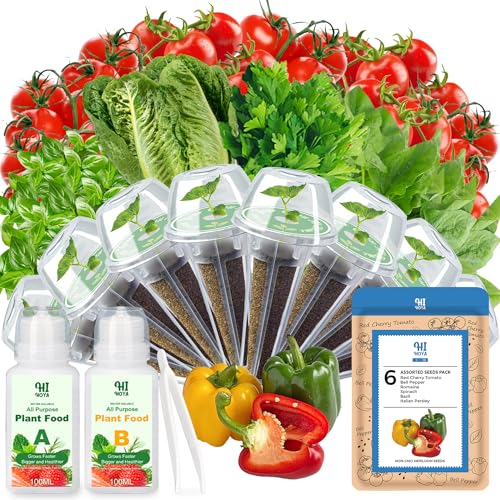
Heirloom Non-GMO Seeds: The seeds in garden starter kit contains 600+ easy grow herb gardening seeds, including Red Cherry Tomato,Bell Pepper,Romaine,Spinach,Basil,Italian Parsley. Growing your own herbs for eating has never been this easy! Enjoy fresh, home-grown herbs for cooking and garnishing

GROW WITH CONFIDENCE - We are so confident in the quality of our AeroGarden seeded pods, that we will send out a replacement seed pod if one fails to germinate after 3 weeks
Space Efficiency
Maximizing space is essential when gardening indoors. Lettuce grows low to the ground, while tomatoes can reach heights of 3 to 5 feet, depending on the variety. This vertical growth allows you to utilize the vertical space in your AeroGarden effectively. Position lettuce on the lower shelves or in separate pods, while tomatoes occupy the upper space. This arrangement not only optimizes light exposure but also creates a visually appealing design.
Nutrient Utilization
Lettuce and tomatoes have different nutrient requirements, which can complement each other. Lettuce thrives in nitrogen-rich environments, while tomatoes benefit from phosphorus and potassium. By growing them together, you can create a balanced nutrient system within your AeroGarden. Consider using a nutrient solution suitable for both plants that addresses their unique needs. This synergy allows more efficient nutrient absorption and promotes overall plant health.
Ideal Conditions for Lettuce and Tomatoes
For optimal growth, lettuce and tomatoes in your AeroGarden thrive under specific conditions. Understanding their requirements leads to a successful harvest.
Recommended Products

INNOVATIVE DESIGN - Experience better plant growth from your AeroGarden Sprout indoor garden with a sleek modern look, new silent pump, and simple soft-touch button to control lights and reset plant food reminders

Avant-garde and modern design: Our smart hydroponics growing system kit merges urban farming innovation with minimalist aesthetics. Crafted from durable ABS, its 17" space-saving profile features an LCD touchscreen for one-touch control, perfect for tech-savvy gardeners or as a unique gift. The integrated full-spectrum panel adapts seamlessly to indoor hydroponics, blending functionality with sleek vertical farming appeal.
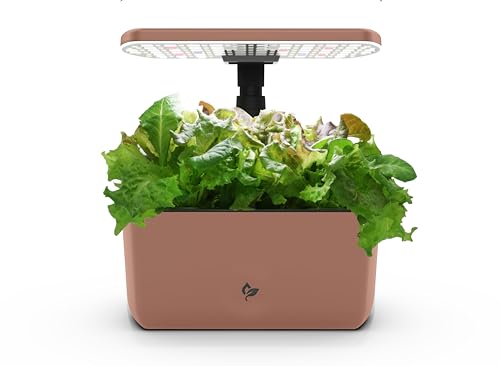
EXCLUSIVE COLOR: Add a touch of warmth to your space with the AeroGarden Harvest Lite in a rich Mocha, a special color you'll only find on Amazon
Light Requirements
Both lettuce and tomatoes need ample light, but their preferences vary slightly. Lettuce flourishes under 12-16 hours of light daily. It benefits from cooler and bright conditions, so you can use a full-spectrum grow light for enhancement. Tomatoes prefer consistent light as well but do best with 14-18 hours of light. Position the light source 6-12 inches above plants to ensure proper growth. Monitor for any signs of light stress, such as leaf curling or fading, and adjust accordingly.
Watering Needs
Water management plays a crucial role in growing lettuce and tomatoes effectively. Lettuce thrives in consistently moist conditions without waterlogged roots. Aim to maintain moisture in the growing medium, checking it regularly. Tomatoes require more water as they grow, particularly during fruit development. Aim to keep the growing medium evenly moist but not soggy. You can check moisture levels by inserting your finger about an inch into the soil; if it feels dry, it’s time to water. Regularly observing your plants helps establish the right balance, leading to healthier crops.
Possible Challenges of Mixing Lettuce and Tomatoes
Growing lettuce and tomatoes together in an AeroGarden presents some challenges. Awareness of these issues can help maximize your yield.
Competing Nutrients
Lettuce and tomatoes require different nutrients for optimal growth. Lettuce thrives on nitrogen-rich soil for its leafy growth, while tomatoes need phosphorus and potassium for fruiting. When growing them together, nutrient competition may occur. To mitigate this, use a balanced nutrient mix that supports both plants. Regularly test the water for nutrient levels and adjust as necessary to prevent deficiencies.
Growth Rate Differences
The growth rates of lettuce and tomatoes vary significantly. Lettuce typically matures in 30-60 days, while tomatoes can take 70-90 days to produce fruit. This difference may lead to overcrowding in the AeroGarden during the tomato growth phase, potentially stunting lettuce growth. To address this, consider sowing lettuce first and harvesting it before the tomatoes fully develop. Alternatively, manage space by trimming excess foliage or using trellising for tomatoes as they grow taller.
Tips for Successful Co-Growth in Aerogarden
Growing lettuce and tomatoes together in an AeroGarden presents unique opportunities and challenges. Here are some practical tips to enhance your success.
Recommended Products

✔ Grow 8 Delicious Tomato Varieties Hydroponically! 🍅🌿 This hydroponic growing kit includes eight heirloom tomato and tomatillo varieties, perfect for growing fresh, juicy tomatoes indoors. Enjoy a mix of cherry, slicing, paste, and tomatillo varieties year-round with a hydroponic system!

Has All You’ll Need - This salad greens seed pod kit comes with everything you’ll need for your hydroponics garden: 6 types of heirloom NON-GMO seeds (Red Romaine Lettuce, Green Romaine Lettuce, American Fast Lettuce, Buttercrunch Lettuce, Parris Island Lettuce, Spinach), 7 grow sponges, 7 grow domes, 7 grow baskets, 8 foil stickers, and A&B Plant Nutrients. Get this kit and gain endless harvests!

Choosing the Right Varieties
- Select Fast-Growing Lettuce: Choose lettuce varieties like Butterhead or Leaf Lettuce, which grow quickly and adapt well to indoor conditions.
- Pick Determinate Tomatoes: Opt for determinate tomato varieties such as Tiny Tim or Patio Princess. These types remain compact and won’t overshadow your lettuce.
- Consider Growth Heights: Pair shorter lettuce with taller tomato plants to maximize space and light exposure in your AeroGarden.
- Monitor Nutrient Levels: Regularly check the nutrient solution to maintain balance. Both crops require high nitrogen levels during vegetative growth.
- Adjust Light Settings: Set the light to a higher duration for tomato plants while ensuring lettuce receives adequate light to avoid legginess.
- Water Regularly: Keep a consistent watering schedule. Ensure water levels remain adequate to support both types throughout their growth stages.
- Thin Seedlings: Early on, thin out seedlings to prevent overcrowding. Only keep the healthiest plants for optimal air circulation and light access.
- Prune Tomato Plants: Hand-pick lower leaves and suckers on your tomato plants for better airflow and to discourage disease.
Using these tips, you can create an efficient garden that thrives in your AeroGarden setting.
Conclusion
Growing lettuce and tomatoes together in your AeroGarden can be a rewarding experience. By following the right tips and paying attention to their unique needs you can create a thriving mini-garden.
Remember to choose the right varieties and keep an eye on light and water levels. With a little care and attention you’ll enjoy fresh salads and delicious tomatoes right from your own home. Happy gardening!
Frequently Asked Questions
Can lettuce and tomatoes be grown together in an AeroGarden?
Yes, lettuce and tomatoes can be successfully grown together in an AeroGarden. They have different growth patterns and requirements, which makes them compatible for space efficiency and nutrient utilization.
What are the benefits of growing lettuce and tomatoes together?
The main benefits include optimal use of space, improved nutrient utilization, and enhanced growth rates. Their differing light and water needs allow them to thrive side by side.
What types of lettuce are best for growing with tomatoes?
Fast-growing lettuce varieties, such as Butterhead or Looseleaf, are ideal for co-growing with tomatoes in an AeroGarden. They mature quickly and efficiently utilize available space.
How should I monitor light and water for these plants?
Regularly check the light intensity and duration, adjusting as needed for both plants. Keep a consistent watering schedule, as lettuce prefers moist soil while tomatoes like slightly drier conditions.
What type of tomato plants should I grow with lettuce?
Determinate tomato plants are best for growing with lettuce in an AeroGarden. They stay compact and have a predictable growth pattern, making them easier to manage alongside fast-growing lettuce.
What tips can help with successful co-growth in an AeroGarden?
To ensure success, choose suitable plant varieties, monitor nutrient levels, adjust light and watering schedules, thin seedlings, and regularly prune tomato plants to enhance airflow and reduce competition.
