

Ever wondered if lettuce and cucumbers make the ultimate gardening duo? Picture this: you’re in your backyard, envisioning a lush and bountiful garden, but unsure if these two veggies can thrive side by side. Well, you’re in for a treat because we’re about to unveil the secrets of planting lettuce and cucumbers together!
Imagine the convenience of harvesting crisp lettuce and juicy cucumbers from the same garden bed. In this article, we’ll guide you on how to maximize your garden space, optimize plant growth, and boost your harvest yield by planting lettuce and cucumbers together. Get ready to transform your garden into a vibrant and productive oasis!
Benefits of planting lettuce and cucumbers together
Planting lettuce and cucumbers together offers numerous benefits that can enhance your gardening experience. Here’s why it’s a great idea:
- Complementary Growth: Lettuce and cucumbers make ideal companions in the garden as they have similar care needs and growth habits.
- Space Optimization: By planting them together, you maximize your garden space and can harvest two crops from the same area.
- Natural Pest Control: Cucumber plants can act as a natural pest repellent for lettuce, creating a protective environment for both crops.
- Nutrient Diversity: The different root structures of lettuce and cucumbers allow them to access nutrients from varying soil depths, promoting healthy growth.
By capitalizing on the synergies between these two vegetables, you can create a thriving garden that yields abundant produce.
Best practices for companion planting lettuce and cucumbers
When planting lettuce and cucumbers together, it’s essential to follow some best practices to ensure successful growth and a bountiful harvest. Here are some tips to help you make the most of this companion planting arrangement:
- Complementary Care: Lettuce and cucumbers have similar growing requirements, making them ideal companions. Both thrive in well-draining soil, consistent moisture, and partial sunlight.
- Plant Placement: Consider the growth habits of each plant when deciding where to place them in your garden. Cucumbers typically vine outward, while lettuce forms a low-growing canopy. Position cucumbers to the sides or behind the lettuce to prevent shading.
- Space Optimization: To maximize space, interplant lettuce and cucumbers in the same bed. You can plant lettuce around the base of a cucumber trellis or along the edges of cucumber rows.
- Pest Control: Take advantage of their natural pest-repelling properties. Lettuce can deter pests that harm cucumbers, and vice versa. This dynamic duo can help keep pests at bay without the need for harmful chemicals.
- Nutrient Diversity: By planting lettuce and cucumbers together, you promote soil health by diversifying nutrient uptake. Lettuce and cucumbers have different nutrient needs, reducing competition and enhancing overall soil fertility.
- Succession Planting: Extend your harvest by practicing succession planting. As you harvest mature lettuce plants, sow new seeds in their place, ensuring a continuous supply of fresh produce throughout the growing season.
- Support Structures: Provide adequate support for cucumbers to climb, such as trellises or cages. This not only saves space but also helps prevent diseases by keeping the vines off the ground.
Remember, experimenting and observing your plants’ growth patterns will help you refine your companion planting techniques over time. By following these best practices, you can create a harmonious garden where lettuce and cucumbers thrive together, benefiting each other in more ways than one.
Recommended Products

Beautiful - Full-color packet of Beit Alpha Cucumber (Cucumis sativus) seeds, a heavy producing self-pollinating persian variety that is burpless and wonderful for eating fresh. Sweet skins do not need to be peeled. Minimum of 1g per packet (about 39 seeds).
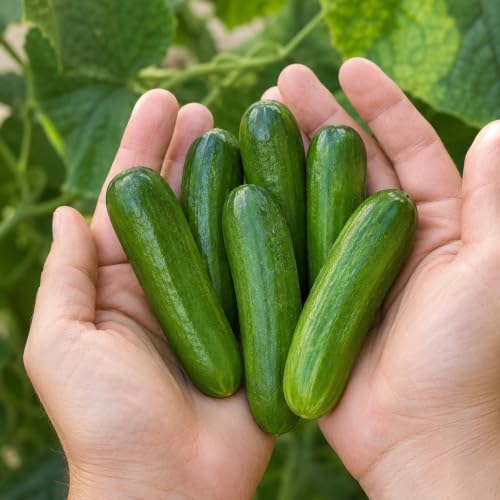
COMPACT & SPACE-SAVING VARIETY: Mini-Me cucumbers are bred for smaller gardens, containers, and raised beds without sacrificing productivity. Enjoy fresh vegetables even if you have limited outdoor space.

Ideal growing conditions for lettuce and cucumbers
When planting lettuce and cucumbers together, it’s crucial to consider their ideal growing conditions to ensure they thrive harmoniously. Here are some key points to keep in mind:
- Sunlight: Both lettuce and cucumbers thrive in full sunlight, so ensure they receive at least 6-8 hours of direct sunlight daily.
- Soil: Opt for well-draining soil rich in organic matter to provide essential nutrients for growth. Aim for a pH level between 6.0-6.8 for optimal results.
- Watering: Maintain consistent moisture levels in the soil, especially during hot weather. Lettuce prefers slightly more frequent watering compared to cucumbers.
- Temperature: Lettuce thrives in cooler temperatures, ideally between 60-70°F, while cucumbers prefer slightly warmer conditions ranging from 70-85°F.
- Spacing: When planting, ensure adequate spacing between lettuce and cucumbers to prevent overcrowding and promote proper airflow, reducing the risk of disease.
By understanding and catering to the specific needs of lettuce and cucumbers, you can create an optimal environment for these vegetables to flourish together in your garden.
Recommended Products

EVERYTHING YOU NEED FOR YOUR INDOOR HYDROPONIC GARDEN - This all-in-one hydroponic seed pod set includes everything you need to start your hydroponics journey. You'll receive 8 varieties of salad seeds—Spinach, Swiss Chard, Cucumber, Red Cherry Tomato, Red Romaine Lettuce, American Fast Lettuce, Buttercrunch Lettuce, Paris Island Cos Lettuce—along with 8 grow sponges, 8 grow domes, 8 planting baskets, 8 pod labels, instructions and A&B plant food. Get ready to enhance your gardening experience

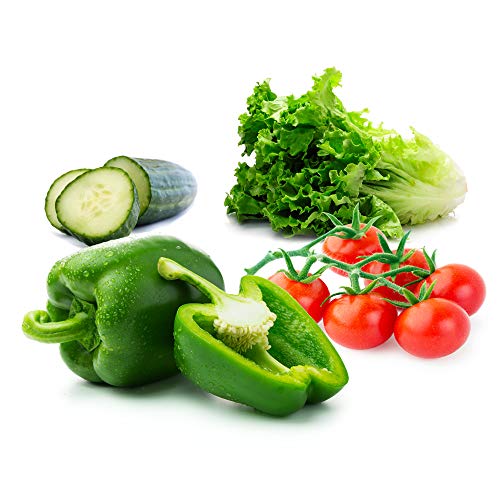
Premium vegetable seeds are grown, harvested and packed in the U.S.A. Romaine lettuce, large red cherry tomato, Sweet bell pepper and Cucumber vegetable seed packets.
Tips for maximizing garden space with lettuce and cucumbers
To make the most of your gardening space, consider the following tips for planting lettuce and cucumbers together:
- Vertical Gardening: Grow cucumbers vertically on a trellis or fence to save ground space, allowing lettuce to thrive underneath.
- Succession Planting: Stagger planting times so that as one crop is harvested, another can be sown in its place to ensure continuous harvests.
- Interplanting: Mix lettuce and cucumber plants in the same row to maximize space utilization while maintaining healthy plant growth.
- Container Gardening: Utilize containers or raised beds to cultivate lettuce and cucumbers, ideal for small spaces like balconies or patios.
- Companion Planting: Pair cucumbers with lettuce and other compatible plants to naturally repel pests and enhance growth.
| Key Point | Benefit |
|---|---|
| Vertical Gardening | Saves ground space |
| Succession Planting | Ensures continuous harvests |
| Interplanting | Maximizes space utilization |
| Container Gardening | Ideal for small spaces like balconies |
| Companion Planting | Enhances growth and repels pests |
Recommended Products

【Extra-Large Height & Space for Climbing Plants】Standing at 65 inches tall—3 inches higher than standard versions—this trellis provides generous vertical space for vigorous climbers. The 51×17.7-inch frame with dense netting ensures even plant distribution and maximum sunlight exposure, effectively improving fruit yield and quality.
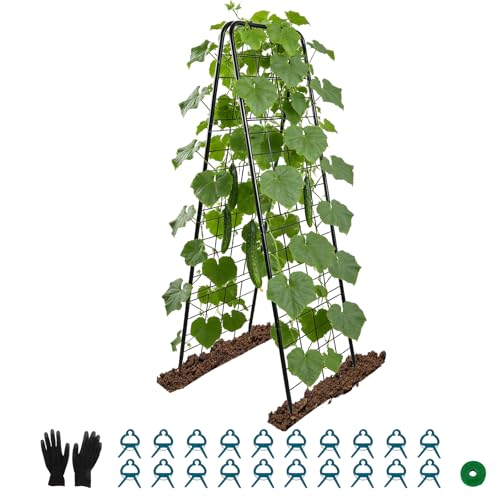
Sturdy A Frame Design for Heavy Crops: Built with a 0.52" thickened steel frame, this PERSZEN A-frame trellis delivers exceptional strength for heavy climbing vegetables. Ideal as a heavy duty cucumber trellis for raised garden beds, it prevents sagging and collapse under mature, fruit laden plants—so you can grow with confidence

A frame Large Plant Trellis -- Dimensions (W x H):120 x 160cm / 47.5 x 63inches, nylon garden netting included
Harvesting and caring for lettuce and cucumbers
When it comes to harvesting lettuce, aim to pick the leaves in the morning for the best flavor. You can start harvesting outer leaves once they’re large enough, allowing the inner leaves to continue growing. For cucumbers, they are best harvested when they are firm and a dark green color. Regular picking encourages further fruit production.
Caring for Lettuce:
- Watering: Keep the soil consistently moist but not waterlogged.
- Fertilizing: Consider organic options like compost or a balanced fertilizer.
- Weeding: Regular weeding helps lettuce thrive without competition.
- Pest Control: Keep an eye out for common pests like aphids and snails.
- Support: Many varieties benefit from trellises or other supports.
- Watering: Ensure cucumbers receive at least an inch of water per week.
- Fertilizing: Feed plants every 2-3 weeks with a balanced fertilizer.
- Pest Management: Watch for cucumber beetles and powdery mildew.
Whether you’re growing them in containers or a garden bed, proper care is essential for a bountiful harvest of delicious lettuce and cucumbers.
Conclusion
You now have a good understanding of how to care for and harvest lettuce and cucumbers effectively. Remember to harvest lettuce in the morning for the best flavor and pick outer leaves first. For cucumbers, aim to harvest when they are firm and dark green to encourage more fruit growth. Providing consistent moisture, organic fertilizers, and proper pest control are essential for healthy lettuce plants. Cucumbers thrive with trellises, regular watering, balanced fertilizers, and vigilance against pests. Whether in containers or garden beds, following these tips will help you enjoy a bountiful harvest of these delicious vegetables. Happy gardening!
Frequently Asked Questions
1. When is the best time to harvest lettuce?
Harvest lettuce in the morning for optimal flavor. Pick outer leaves first to allow inner leaves to continue growing.
2. How should cucumbers be harvested?
Harvest cucumbers when firm and dark green to encourage further fruit production.
3. What care techniques are important for lettuce?
Proper care for lettuce includes consistent moisture, organic fertilizers, regular weeding, and pest control.
4. How can cucumbers be cared for?
Cucumbers benefit from trellises, sufficient watering, balanced fertilizers every 2-3 weeks, and vigilance against pests such as cucumber beetles and powdery mildew.
5. Is it necessary to provide care for lettuce and cucumbers grown in containers?
Yes, regardless of being grown in containers or garden beds, providing proper care is essential for a successful harvest of both lettuce and cucumbers.
