

Wondering if you can plant lettuce in September? You’re not alone. Many gardeners face the challenge of extending their growing season as summer fades. Lettuce is a fantastic choice for fall planting, but timing and conditions matter.
Key Takeaways
- Optimal Planting Time: Plant lettuce from mid-August to early September to maximize growth before frost arrives.
- Variety Selection: Choose varieties like Romaine, Butterhead, and Leaf Lettuce that thrive in cooler temperatures for a successful fall harvest.
- Soil Preparation: Ensure well-drained soil with a pH level between 6.0 and 6.8, incorporating organic matter to enhance fertility.
- Watering Practices: Maintain consistent moisture without waterlogging; use mulch to retain soil moisture and regulate temperature.
- Frost Awareness: Know your local frost dates, as lettuce can endure light frosts, but extreme cold can halt growth.
- Pest Management: Monitor for common pests such as aphids and snails, and utilize organic control methods to protect your plants.
Understanding Lettuce Planting Cycles
Lettuce thrives in cool weather. As summer fades, fall offers a prime opportunity to plant lettuce. The key is understanding its growth cycle, which typically spans 30 to 70 days depending on the variety.
Ideal Timing for Planting
- Late Summer to Early Fall: Plant lettuce from mid-August to early September for a successful fall harvest.
- Frost Dates: Know your local frost dates. Lettuce can withstand light frosts, but extreme cold halts growth.
Selecting the Right Varieties
Certain varieties excel in cooler temperatures. Choose from:
- Romaine: Tolerates cool temperatures well.
- Butterhead: Grows quickly and offers sweet flavor.
- Leaf Lettuce: Fast-growing and provides multiple harvests.
Preparing Soil for Planting
Soil preparation plays a critical role in lettuce growth. Focus on:
- Well-Drained Soil: Ensure good drainage to prevent root rot.
- Organic Matter: Mix compost to enhance soil fertility.
- pH Level: Aim for a pH between 6.0 and 6.8 for optimal growth.
Growing Conditions
Ideal conditions foster healthy lettuce. Pay attention to:
- Sunlight: Choose a location with at least six hours of sunlight daily.
- Watering: Keep soil consistently moist but not soggy. Water deeply to encourage root growth.
Troubleshooting Common Issues
Even with optimal conditions, problems can arise. Address these issues promptly:
- Pests: Monitor for aphids and snails. Use organic pest control methods when necessary.
- Bolting: If temperatures rise unexpectedly, lettuce may bolt. Plant earlier in cooler weather to avoid this.
Harvesting Your Lettuce
Harvesting at the right time maximizes quality. Follow these tips:
- Cut-and-Come-Again: Harvest outer leaves first, allowing the inner leaves to continue growing.
- Timing: Pick in the morning for the best flavor and crunchiness.
Lettuce offers a rewarding addition to your fall garden. With proper understanding of planting cycles and suitable care, you can enjoy fresh, home-grown lettuce well into autumn.
Ideal Growing Conditions for Lettuce
Lettuce thrives in specific conditions that ensure healthy growth. Ensuring these factors can result in a bountiful harvest even in September.
Recommended Products

【High Quality ,More sizes, Give you more choices】- Our Shade Cloth can resist rays and most sunlight while air can still flow through so as to create a comfortable cool and shaded place for people or plants.

40%-50% Shade for Fall Winter: Blocks 40%-50% sunlight for healthy plant growth during seasonal transitions. Protects tomatoes, vegetables, and seedlings from heat stress in fall and early frost in winter. Customers report leaf curl improvement within 1 week.
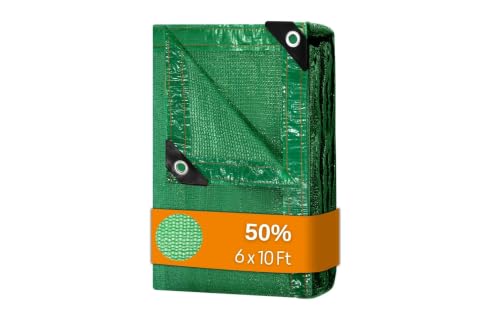
50% shading - BeGrit shade cloth are perfect for protecting the environment from shade and heat. Does not affect photosynthesis, better for blocking sunlight and heat while still allowing air to circulate
Temperature Requirements
Lettuce prefers cooler temperatures, ideally between 60°F and 70°F during the day. Nighttime temperatures should not drop below 40°F. If temperatures exceed 75°F, lettuce may bolt, producing flowers and seeds rather than edible leaves. Use shade cloth to protect lettuce during unseasonably warm days in September. Check local weather forecasts to plan your planting schedule effectively.
Soil Preparation
Soil preparation plays a vital role in growing lettuce. Follow these steps for optimal soil health:
- Test Soil pH: Aim for a pH between 6.0 and 7.0. Make adjustments with lime or sulfur as needed.
- Add Organic Matter: Incorporate compost or well-rotted manure to improve soil structure and nutrient content.
- Ensure Drainage: Use well-drained soil to prevent root rot. If your garden soil is heavy clay, consider raised beds or adding sand to improve drainage.
- Moisture Levels: Keep the soil consistently moist but not waterlogged. Use mulch to retain moisture and regulate temperature.
By creating the right environment for your lettuce, you set the stage for a successful fall planting.
Planting Lettuce in September
Planting lettuce in September offers you a unique chance to capitalize on cool fall temperatures for a bountiful harvest. By selecting the right varieties and managing your garden environment, you can enjoy fresh lettuce well into autumn.
Recommended Products

Healthy Food Source: Because of its tender flavor, lettuce is a popular vegetable for salad, sandwiches, wraps, soups, stir-fries and juice. There are over 20,000 seeds, 10 kinds of lettuce collection, including bibb, boston, iceberg, buttercrunch, grand rapids TBR, oakleaf, ruby leaf, cimmaron romaine and waldmann's

5-Variety Lettuce Seed Collection - Enjoy a continuous harvest of fresh, flavorful greens! This lettuce seed collection includes Black Seeded Simpson, Iceberg, Buttercrunch, Parris Island Cos, and Lolla Rossa Lettuce.

4 Popular Heirloom Lettuce Varieties: Includes Red Romaine, Bibb Butterhead, Black Seeded Simpson, and Green Ice lettuce seeds to grow crisp, tender, and colorful salad greens with balanced flavor, texture, and visual appeal.
Benefits of Late Summer Planting
- Extended Growing Season: Planting in September allows you to make the most of fall’s cooler weather, leading to improved flavor and texture in your lettuce.
- Less Competition: As summer crops are harvested, there’s less competition for light and nutrients, which benefits your new lettuce plants.
- Reduced Pest Pressure: Cooler temperatures often mean fewer pests. Lettuce typically faces lower infestation rates during fall compared to summer.
- Favorable Growing Conditions: Lettuce thrives at temperatures between 60°F and 70°F, making early fall an ideal growing period.
- Frost Risk: While lettuce can withstand light frosts, early September plantings face risks if frost arrives unexpectedly. Knowing your area’s frost dates helps you time your planting effectively.
- Heat Fluctuations: If unseasonably warm weather occurs, daytime temperatures exceeding 75°F can lead to bolting, causing the lettuce to go to seed early.
- Moisture Management: Keeping soil consistently moist is crucial. Implementing mulch can help retain moisture and regulate soil temperature.
- Soil Preparation: Freshly amended soil may require time to stabilize. Ensuring proper nitrogen levels is important for healthy plant growth.
By addressing these benefits and challenges, you’ll better prepare for a successful lettuce planting in September. Proper planning and care can lead to a rewarding yield of fresh greens just in time for your fall meals.
Tips for Successful Lettuce Growth
Lettuce growth in September requires careful planning and execution. Follow these tips for a thriving crop.
Recommended Products

YEAR-ROUND GARDEN FAVORITE – Dependable butterhead lettuce that thrives in cool or moderate weather for consistent harvests from spring through fall, even under cover in winter

"Mesclun" comes from the Provençal French word meaning "mixture" — this style of mixed salad greens originated in the Nice region of France and became a staple of fine restaurants worldwide before becoming a home garden favorite.
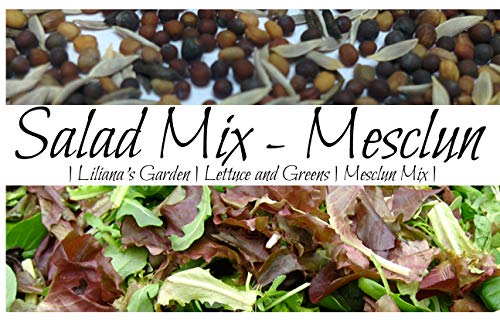
Yields and average of 180 salad leaf plants including varieties of arugula, endive, mustard greens, and more. Yields roughly 32 lbs of mature greens after just a full growing season, 40 days for baby greens.
Choosing the Right Lettuce Varieties
Select lettuce varieties suited for cooler weather. Options like Romaine, Butterhead, and Leaf Lettuce perform well during fall. Not only do they thrive in lower temperatures, but they also yield better flavors. Look for seeds designated as “quick-maturing;” these typically mature within 30 to 60 days. Pay attention to local recommendations and choose varieties that local gardeners or extensions recommend for optimal results.
Watering and Maintenance
Maintain consistent watering for healthy lettuce. Water deeply once or twice a week, ensuring the soil stays moist but not soggy. Implement a mulch layer to retain moisture and regulate soil temperature. Check the soil moisture regularly; if it feels dry an inch below the surface, it’s time to water. Monitor for pests like aphids and slugs, and respond swiftly to prevent damage. Fertilize with a balanced fertilizer; this provides essential nutrients for growth without overwhelming the plants.
Conclusion
Planting lettuce in September can be a rewarding experience that offers fresh greens right when you need them most. With the right timing and care you can enjoy a bountiful harvest that enhances your fall meals. Just remember to select the right varieties and keep an eye on the weather to avoid any surprises.
By following the tips for soil preparation and moisture management you’ll set yourself up for success. Embrace the cooler temperatures and enjoy the benefits of gardening in the fall. Happy planting and here’s to a delicious crop of lettuce!
Frequently Asked Questions
Can I plant lettuce in September?
Yes, you can plant lettuce in September. This month is ideal for fall planting since lettuce thrives in cooler temperatures, providing optimal growing conditions.
What are the best lettuce varieties for fall planting?
Popular varieties for fall planting include Romaine, Butterhead, and Leaf Lettuce. These types perform well in the cooler weather typical of the fall season.
How long does it take for lettuce to grow?
Lettuce typically has a growth cycle of 30 to 70 days, depending on the specific variety you choose to plant.
What soil conditions are best for growing lettuce?
Lettuce prefers well-drained soil with adequate organic matter and an optimal pH level around 6.0 to 7.0 for healthy growth.
How much sunlight do lettuce plants need?
Lettuce needs at least six hours of sunlight daily to grow successfully. Ensure it is planted in a spot that receives ample sunlight during the day.
What are common challenges when planting lettuce in September?
Common challenges include frost risk, heat fluctuations that can cause bolting, and pest pressure. Monitoring temperature and soil moisture is crucial for preventing these issues.
How should I water my lettuce?
Water lettuce deeply once or twice a week, ensuring the soil stays consistently moist. Using mulch can help retain moisture and regulate soil temperature effectively.
How do I protect my lettuce from pests?
Regularly monitor your lettuce for signs of pests, and consider using organic methods like neem oil or insecticidal soap to manage infestations effectively.
