

Have you ever found your beautiful lettuce plants covered in tiny bugs? It’s frustrating to put in all that effort only to see your hard work threatened by pests. You’re not alone—many gardeners face this issue, and it can feel overwhelming.
Key Takeaways
- Identify Pest Types: Recognize common pests on lettuce, such as aphids, caterpillars, spider mites, and thrips, to take appropriate action for control.
- Monitor for Signs of Infestation: Be vigilant for indicators of pests, including wilting leaves, visible bugs, chewed edges, discolored spots, and webbing.
- Implement Preventive Measures: Choose a well-drained location, employ companion planting strategies, and maintain a clean garden to deter pest populations.
- Utilize Natural Remedies: Homemade insecticidal soaps and essential oils like peppermint and tea tree can effectively repel and manage pests without harmful chemicals.
- Follow Safe Chemical Applications: When using pesticides, read product labels, wear protective gear, and apply on calm days to ensure safety and effectiveness.
- Maintain Plant Health: Consistent watering and regular monitoring of your lettuce plants are vital for prevention and early detection of pest problems.
Understanding The Problem
Pests on lettuce plants pose a significant challenge for gardeners. These tiny bugs can damage leaves, impacting the overall health of your plants. Identifying the types of pests and their signs leads to effective solutions.
Common Bugs Found On Lettuce Plants
- Aphids: Small, soft-bodied insects often found on young shoots. They suck sap and can cause leaf curling.
- Lettuce Caterpillars: Green larvae that chew large holes in leaves. Early detection helps prevent serious damage.
- Green Peach Aphid: A type of aphid that can transmit diseases to your plants. Spotting them early is crucial.
- Spider Mites: Tiny spiders that create fine webs, especially in dry conditions. They thrive on the undersides of leaves.
- Thrips: Tiny, slender insects that cause silver streaks on leaves. They can be hard to see but leave noticeable damage.
- Wilting Leaves: Limp leaves may indicate sap-sucking pests like aphids or spider mites.
- Visible Bugs: Finding pests on the plants is a straightforward sign of infestation.
- Chewed Edges: Snack marks or holes suggest caterpillars or thrips have been feeding.
- Discolored Spots: Yellowing or browning leaves often point to an underlying pest issue.
- Webbing: The appearance of fine webs indicates spider mites are present.
Prevention Methods
Preventing pests on lettuce plants involves careful planning and execution. Adopting effective methods can keep your plants healthy and thriving.
Recommended Products

Fast Seed Germination: Garlic chives seeds for planting sprout in about 7-14 days with moisture and warmth; sow 1/4 inch deep after last frost in full sun to part shade in herb garden.

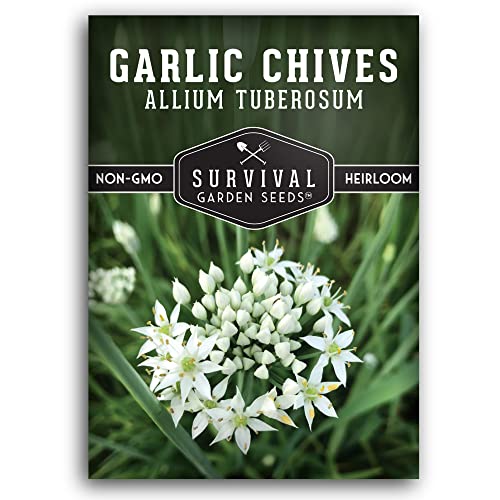
PERENNIAL GARLIC HERB - Garlic Chives (Allium tuberosum) produce flat green leaves with mild garlic flavor; perennial plants return year after year with minimal maintenance
Choosing The Right Location
Selecting the right location for your lettuce greatly impacts pest management. Place your lettuce in an area with good air circulation and plenty of sunlight. Ensure it’s well-drained to discourage pests that thrive in damp conditions. Avoid areas near old plants or debris, as these can harbor bugs that threaten new plantings.
Using Companion Planting
Companion planting serves as an effective strategy against pests. Planting garlic, chives, or marigolds near your lettuce can repel common pests like aphids and caterpillars. For example, garlic’s natural odor deters many insects while also enhancing the soil. Choose companion plants carefully for maximum effectiveness. Make sure your selected companions thrive in similar light and water conditions as lettuce for optimal growth.
Natural Remedies
Natural remedies offer effective solutions for eliminating bugs on lettuce plants without harmful chemicals. You can easily apply these methods at home.
Recommended Products
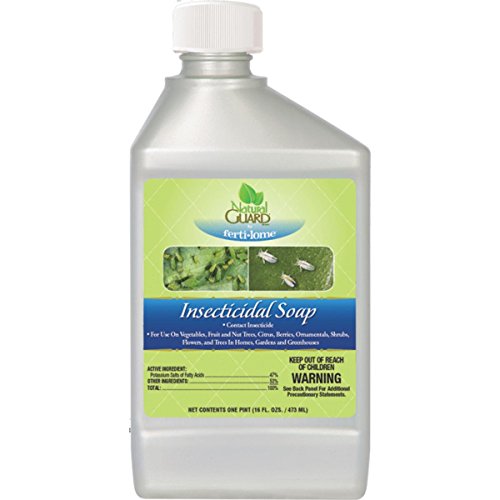
Powerful insecticide that solves the problem of insect pests on plants

CROP, GARDEN & HOUSEPLANT INSECT CONTROL. Trifecta Crop Control all-natural, plant-based formula effectively combats destructive spider mites, aphids, whiteflies, fungus gnats, and other soft-bodied pests on indoor and outdoor plants. Our biodegradable, eco-friendly solution is safe for use on edible crops, without chemical residues. Our gentle yet potent plant spray suffocates and dehydrates pests without harming beneficial insects or the environment, making it ideal for organic gardening.
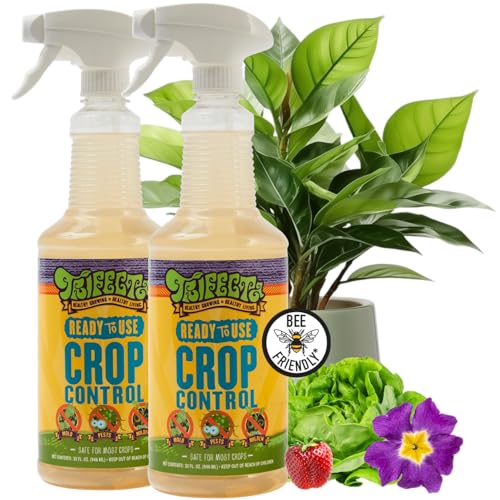
CROP, GARDEN & HOUSEPLANT INSECT CONTROL. Trifecta Crop Control plant based formula targets spider mites, aphids, whiteflies, fungus gnats and other soft bodied pests on indoor and outdoor plants. Safe for edible crops and biodegradable.
Homemade Insecticidal Soaps
Homemade insecticidal soaps effectively target soft-bodied pests like aphids and spider mites. You can create your own solution with the following steps:
- Mix 1 tablespoon of liquid dish soap (preferably biodegradable) with 1 quart of water.
- Pour the mixture into a spray bottle.
- Spray directly onto affected plants, focusing on the undersides of leaves where pests often hide.
- Repeat every 5 to 7 days until you notice a significant reduction in bug numbers.
Always test a small area of the plant first to ensure no adverse reactions occur.
Essential Oils That Repel Bugs
Essential oils serve as natural repellents for many garden pests. Some effective options include:
- Peppermint Oil: Mix 10-15 drops with water in a spray bottle, then mist the plants.
- Tea Tree Oil: Combine 1 teaspoon with water, spray on affected plants, and target areas with the highest pest activity.
- Rosemary Oil: Use a few drops mixed with water to create a powerful pest deterrent.
Apply these oil mixtures every 1-2 weeks or after heavy rain. These oils mask scents that attract pests while providing a pleasant aroma for your garden.
Chemical Solutions
Chemical solutions can effectively manage pests on your lettuce plants. They provide a targeted approach to eliminate infestations. However, choosing the right option and applying it safely is essential.
Recommended Products
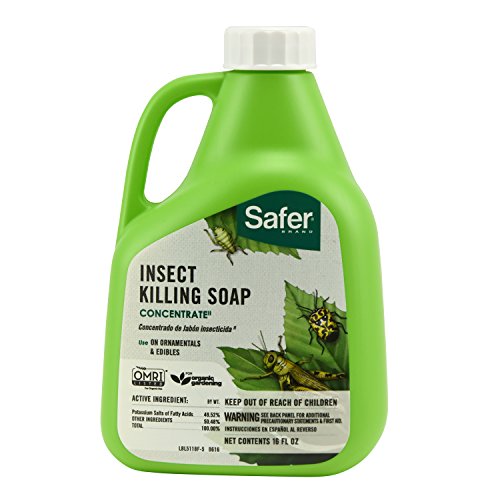
GENTLE ON MOST PLANTS - This aphid spray is ideal for use on flowers, herbs, vegetables, houseplants, lawn, tree, shrubs, and more

Insecticidal Super Soap controls species of adelgid, ant, aphid, borer, caterpillar, spider mite, cricket, chinch bug, weevil, fly, thrip, and more

EASY TO USE: The ready-to-use insecticidal soap for plants nested spray makes application easy
Types Of Pesticides
- Insecticides: Use insecticides specifically designed for soft-bodied pests like aphids and spider mites. Look for products containing pyrethrins or imidacloprid for effective results.
- Fungicides: If your lettuce displays signs of fungal diseases alongside pests, consider fungicides that protect plants while targeting pests. Products with chlorothalonil or copper may be effective.
- Herbicides: Apply herbicides with caution. These target unwanted weeds but may also harm your lettuce if misused. Select selective varieties to minimize damage.
- Systemic Treatments: Consider systemic insecticides that are absorbed by plants. These provide internal protection, discouraging pests when they consume affected foliage.
- Read Product Labels: Always read labels for safe usage guidelines. Labels provide important information on application rates, timing, and safety precautions.
- Wear Protective Gear: Don protective gloves, masks, and goggles when applying pesticides. This minimizes exposure to chemicals during application.
- Avoid Application in Windy Conditions: Apply chemicals on calm days to prevent drift. This ensures pesticides only reach target plants.
- Follow Timing Recommendations: Apply treatments during early morning or late afternoon. This reduces harm to beneficial insects and minimizes chemical degradation from sunlight.
- Keep Your Garden Clean: Remove debris and decaying plant material. This reduces pest harborage and helps treatments work more effectively.
- Monitor for Pests: After treatment, regularly inspect your lettuce. Tracking pest activity helps you know if additional applications are necessary.
- Wash Produce Before Consumption: Rinse lettuce thoroughly before eating. This ensures any pesticide residues are removed, promoting food safety.
Maintaining Healthy Lettuce Plants
Healthy lettuce plants require specific care to thrive and resist pests. Focusing on proper watering techniques and regular monitoring can significantly contribute to plant health and deter bug infestations.
Proper Watering Techniques
Watering lettuce correctly provides necessary hydration while preventing pest proliferation.
- Water Consistently: Keep soil consistently moist but not waterlogged. Aim for about 1-2 inches of water weekly, adjusting based on weather conditions.
- Water Early: Water in the early morning to allow leaves to dry throughout the day. This reduces humidity, minimizing environments favorable for pests.
- Apply Directly to Soil: Use drip irrigation or soaker hoses to minimize water on leaves. Wet foliage creates an attractive habitat for pests like aphids and mildew.
- Check Soil Moisture: Insert a finger into the soil an inch deep. If it feels dry, it’s time to water.
Regular Monitoring
Frequent checking of your lettuce plants can help you catch any issues before they escalate into infestations.
- Inspect Weekly: Look for signs of pests or damage, focusing on the undersides of leaves where bugs often hide.
- Detect Early Signs: Watch for wilting, chewed edges, or discoloration. Early detection allows you to address problems quickly.
- Use Sticky Traps: Place yellow sticky traps around your garden. These can capture flying pests like aphids and provide insight into pest populations.
- Document Changes: Keep a garden journal to track your observations and treatment results. This helps you identify patterns over time, making pest management more effective.
By implementing proper watering techniques and maintaining regular monitoring, you can keep lettuce plants healthy and reduce the risk of bug infestations effectively.
Conclusion
Getting rid of bugs on your lettuce plants doesn’t have to be a daunting task. By staying vigilant and using the right strategies you can protect your greens and enjoy a bountiful harvest. Remember to combine prevention methods with natural and chemical solutions that suit your gardening style.
Regular monitoring and good care practices are key to keeping your plants healthy and pest-free. You’ll not only enhance the growth of your lettuce but also create a thriving garden environment. With a little effort and attention you can make your lettuce plants a bug-free zone and savor the fruits of your labor. Happy gardening!
Frequently Asked Questions
What pests commonly infest lettuce plants?
Lettuce plants are often affected by pests such as aphids, lettuce caterpillars, green peach aphids, spider mites, and thrips. Each of these pests can cause significant damage, impacting the health and appearance of your plants.
How can I identify a pest infestation on my lettuce?
Signs of pest infestation include wilting leaves, visible bugs, chewed edges, discolored spots, and webbing. Early detection is crucial for effective pest management and to prevent further damage to your lettuce.
What are some prevention methods for pest control in lettuce?
To prevent pests, choose planting locations with good air circulation, ample sunlight, and well-drained soil. Companion planting with herbs like garlic or chives can also help repel pests and enhance growth conditions for your lettuce.
Are there natural remedies for eliminating pests on lettuce?
Yes, you can create homemade insecticidal soaps to target soft-bodied pests or use essential oils like peppermint and tea tree as natural repellents. These remedies are effective and avoid harmful chemicals.
What chemicals can I use for pest management in lettuce?
Consider insecticides for soft-bodied pests, fungicides for diseases, and systemic treatments for internal protection. Always read product labels for safe usage guidelines and apply pesticides when conditions are calm to avoid drift.
How often should I monitor my lettuce plants for pests?
Regular monitoring is vital; inspect your lettuce plants weekly for signs of pests or damage. Using sticky traps and maintaining a garden journal can help you track pest activity and improve your management strategy.
What watering practices should I follow for healthy lettuce?
Water lettuce consistently to maintain moisture without waterlogging. Water early in the morning, apply water directly to the soil, and check soil moisture regularly to support healthy growth and prevent stress on the plants.
