

Ever wondered if you can still grow lettuce when the leaves start to change? You’re not alone. Many gardeners face the challenge of extending their growing season into the cooler months. Fall can seem like a tricky time to plant, but with the right tips, you can enjoy fresh, crisp lettuce right from your garden even as temperatures drop.
Key Takeaways
- Lettuce Varieties Matter: Different lettuce types—like Iceberg, Romaine, Leaf, and Butterhead—have unique growth habits and temperature preferences, making them suitable for fall planting.
- Optimal Growing Conditions: Lettuce thrives in temperatures between 60°F and 65°F, with cooler evenings enhancing flavor and preventing bolting.
- Seasonal Awareness: Knowing local frost dates and understanding day length can help you choose the best time to plant and optimize your harvest before heavy frost.
- Soil Preparation is Key: Healthy soil, enhanced with compost and proper pH levels (6.0-6.8), supports robust growth and better taste for fall-grown lettuce.
- Pest Management Advantages: Cooler fall temperatures reduce pest activity, making it easier to grow lettuce with minimal chemical treatments.
- Effective Maintenance Practices: Techniques like using row covers, regular watering, and mulching ensure consistent growth and protect plants during the fall season.
Understanding Lettuce Growth Cycles
Lettuce growth cycles vary based on the type and environmental conditions. Understanding these cycles helps you determine the best time to plant lettuce in the fall.
Types of Lettuce
Lettuce comes in various types, each with unique growth habits. Here are four primary types:
- Iceberg Lettuce: Known for its crisp texture, it prefers cooler temperatures. Growing it in fall often leads to sweeter leaves.
- Romaine Lettuce: This type tolerates colder weather and can thrive well into autumn. It develops a robust flavor during cooler months.
- Leaf Lettuce: Fast-growing and versatile, it suits fall planting. You can harvest individual leaves, which encourages continuous growth.
- Butterhead Lettuce: This type forms loose heads and enjoys cooler temps. Planting it in fall usually yields tender, buttery leaves.
Choose a variety that matches your garden conditions and taste preferences.
Seasonal Considerations
Seasonal factors play a critical role in lettuce growing success during fall. Note these important aspects:
- Temperature: Lettuce thrives at 60°F to 65°F. Early fall’s cooler evenings help enhance flavor while preventing bolting.
- Frost Dates: Know your local frost dates. Some lettuce types withstand light frost, making them ideal for late fall planting.
- Day Length: Shorter days signal lettuce to grow more slowly. Planting early helps ensure a good harvest before heavy frost.
- Soil Health: Prepare your soil with compost and organic matter. Healthy soil leads to better growth and tastier leaves.
Consider these factors to optimize your fall lettuce growing.
Benefits of Growing Lettuce in the Fall
Growing lettuce in the fall offers various advantages that boost your gardening experience. It’s not just about extending the growing season; it also provides numerous benefits.
Recommended Products

1. Defend Your Garden from Unwanted Pests: Gardening is a rewarding journey, but once your plants begin to bloom and bear fruit, pests can become a major threat. Our Ultra-Fine Garden Netting is the ideal solution to safeguard your crops, ensuring a healthy and thriving garden all season long.


Cover Large Area: Select from an extensive range of sizes tailored to meet your gardening requirements; The frost plant covers are available in 10x10FT, 10x20FT, 10x30FT, and 10x50FT, ensuring a snug fit for gardens of every dimension; The frost blankets are durable and easy to cut to provide the perfect coverage for gardens of all shapes and sizes
Extended Harvest Season
Growing lettuce in fall enables an extended harvest season. Cool temperatures often enhance lettuce flavors, making them sweeter and crisper. With careful planning, you can enjoy fresh, homegrown lettuce for several weeks or even months. Depending on your variety, consider planting seeds in late summer to ensure a fall harvest, allowing you to enjoy salads well into autumn.
Pest and Disease Management
Growing lettuce in fall helps minimize pest and disease issues common in warmer months. As temperatures cool down, many harmful insects, like aphids and caterpillars, are less active. This reduced pest pressure means fewer chemical treatments and healthier plants. To further protect your lettuce, consider using row covers. Row covers act as a barrier against pests while maintaining warmth and moisture around your plants. This practice promotes robust growth and enhances your overall yield.
Factors Affecting Fall Lettuce Growth
Growing lettuce in the fall requires attention to several key factors that can influence its development. Understanding these factors helps you maximize your harvest.
Recommended Products

EXCITING FLAVORS: Savor the taste of fresh, home-grown green leaf lettuce seeds with our 'Gourmet Blend'. This lettuce seeds mixed brings a variety of textures and flavors to a range of dishes, from wraps and sandwiches to stir-fries and soups. Grows best in cool weather and can be planted in early spring or grown as a fall crop. Best when picked minutes before your meal to add freshness to salads, sandwiches, and soups.

White Boston is a light green butterhead lettuce with a delicious buttery yellow heart. This extra tender heirloom goes back over 100 years and has a classic mild flavor. The firm, 12" round head sits up off the ground for a cleaner pick and does well in warm conditions. It should be ready in about 70 days.

Net Pots for Hydroponic & Aquaponics: Net cup pots 2 inch works perfectly for hydroponic tower setup, aquarium plant holder, passive bucket Kratky method, indoor aquaponics garden, 5 gallon bucket, aquaponics fish tanks, automatic watering PVC pipe tube hydroponics gardening float system, aeroponics setup, container garden project, rain gutter growing system, cloning propagation system, Deepwater culture hydroponic, NFC DWC deep water culture rafts hydroponics kit, tower garden.
Temperature and Light Conditions
Temperature and light play crucial roles in growing lettuce. Lettuce thrives in cooler temperatures, typically between 60°F and 70°F. Temperatures above 75°F can cause bolting, which makes the lettuce unpalatable.
Light conditions also affect growth. Lettuce requires around 10-14 hours of daylight for optimal development. In the fall, days shorten, so consider using grow lights to supplement natural light if your growing area lacks sufficient exposure. You can also time your planting to coincide with these shorter days, allowing the cooler weather to enhance flavor without risking premature bolting.
Soil Preparation Techniques
Soil preparation sets the foundation for fall lettuce growth. Start by testing the soil pH; ideal levels range from 6.0 to 6.8. If your pH is too low, add lime to raise it; for high pH, incorporate sulfur.
Next, improve soil fertility by mixing in well-rotted compost or aged manure. This adds nutrients, helps retain moisture, and promotes healthy microbial activity. Till the soil to a depth of at least 12 inches for proper aeration.
Lastly, consider adding mulch after planting. Mulch helps regulate soil temperature and moisture—both essential for robust growth. Organic options like straw or shredded leaves work well and can also suppress weeds, reducing competition for nutrients.
Tips for Successfully Growing Lettuce in the Fall
Successfully growing lettuce in the fall takes careful planning and attention to detail. By following specific strategies, you can enjoy a fresh harvest as temperatures drop.
Recommended Products
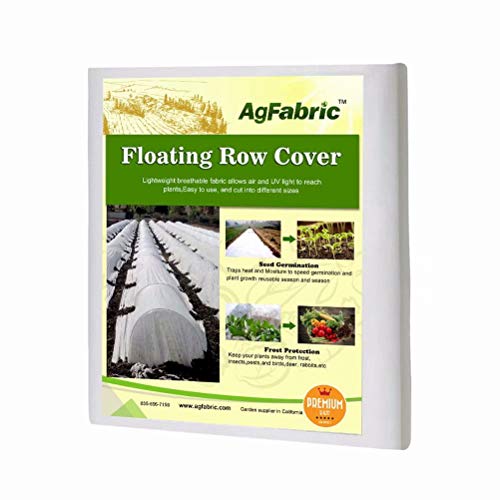
The plant row cover is made of 0.95 oz/sq non-woven polypropylene fabric which is lightweight breathable and durable. It allows air and moisture to reach your vegetables and flowers.

Comprehensive Winter Protection for Your Garden: Our outdoor plant covers provide complete freeze protection for strawberries, vegetables, tomatoes, fruit trees, citrus plants, shrubs, and potted plants throughout the winter. This frost cloth plant freeze protection shields delicate plants from sudden temperature drops, frost, and strong winds, ensuring they survive harsh winter conditions. Ideal for those looking for frost blankets for outdoor plants and reliable plant freeze protection covers.
Heavy-weight FRCs(0.9-1.2oz./sq.yard):Are usually used to extend the growing season in spring and fall,allow 30%-50% light transmission,and recommend of freeze protection and season extension
Choosing the Right Varieties
Select lettuce varieties that thrive in cooler weather. Some excellent options include:
- Romaine: Known for its sturdy leaves, Romaine handles cooler temperatures well and offers a crisp texture.
- Butterhead: This variety prefers milder conditions, producing tender leaves with a sweet flavor.
- Leaf Lettuce: Leaf varieties grow quickly and can provide harvests in just a few weeks. Varieties like Red Romaine or Buttercrunch excel in fall.
- Winter Lettuce: Certain types like Winter Density can withstand frost, ensuring a robust yield.
Opt for seeds that are specifically bred for fall growing to increase your chances of a successful harvest.
Planting and Maintenance Practices
Implement proper planting and maintenance practices for optimal growth. Here are essential steps to follow:
- Timing: Plant seeds in late summer or early fall, ideally 6-8 weeks before the first expected frost date. This timing allows for healthy growth.
- Soil Preparation: Test the soil pH and adjust to 6.0-7.0, suitable for lettuce. Add compost or aged manure to enrich the soil.
- Row Covers: Using row covers can protect young plants from frost while allowing light and moisture to penetrate.
- Watering: Keep soil consistently moist but not waterlogged. Rainfall may not be sufficient, so monitor moisture levels, especially during dry spells.
- Fertilization: Use a balanced fertilizer once seedlings emerge, ensuring they receive necessary nutrients.
- Mulching: Apply a layer of mulch around plants. This helps retain moisture, maintain even soil temperatures, and suppress weeds.
By following these tips, you can create an environment conducive to lettuce growth as fall approaches, ensuring a flavorful and abundant harvest.
Conclusion
Growing lettuce in the fall is definitely achievable with the right approach. By understanding the specific needs of your chosen varieties and paying attention to seasonal changes you can create a thriving environment for your plants.
Don’t forget to prepare your soil and consider using row covers to protect your lettuce from the chill. With a little planning and care you can enjoy fresh crisp salads well into the cooler months. So grab your seeds and get ready to savor the flavors of fall right from your garden. Happy gardening!
Frequently Asked Questions
Can lettuce be grown in the fall?
Yes, lettuce can thrive in the fall with proper care. Planting late summer allows you to enjoy a fresh harvest even as temperatures drop.
What types of lettuce are best for fall gardening?
Romaine, Butterhead, Leaf Lettuce, and Winter Lettuce are ideal for cooler weather. These varieties can withstand the lower temperatures typical of fall.
How does temperature affect lettuce growth?
Lettuce grows best in cooler temperatures, ideally between 60°F and 70°F. Extreme temperatures can hinder growth and lead to bolting.
What can I do to protect my lettuce from frost?
Using row covers helps shield your lettuce from frost while promoting healthy growth. This method also enhances overall yield.
How important is soil preparation for growing fall lettuce?
Soil preparation is crucial. Testing pH, adding compost, and tilling improve soil fertility and aeration, creating a better environment for lettuce growth.
How should I water my fall lettuce?
Consistent watering is vital. Ensure the soil remains moist, but avoid overwatering to prevent root rot. Adjust frequency based on rainfall and temperature.
What role do grow lights play in growing lettuce in fall?
Grow lights provide necessary extra illumination during shorter days, supporting healthy growth and helping to avoid bolting in lettuce plants.
When should I plant lettuce for a fall harvest?
Plant your lettuce seeds in late summer to take advantage of the cooler fall temperatures, allowing for a successful and flavorful harvest later on.
