

Thinking about planting lettuce and broccoli together in your garden? Ever wondered if these two veggies make the perfect pair? Picture this: a thriving garden where lettuce and broccoli coexist harmoniously, creating a vibrant and bountiful space.
Imagine the convenience of having both lettuce and broccoli within arm’s reach for your culinary creations. You’ll save time and effort while enjoying the freshest produce possible.
In this article, discover the secrets to successfully planting lettuce and broccoli together. Learn how to optimize space, enhance growth, and reap the rewards of a diverse and flourishing garden.
Benefits of Planting Lettuce and Broccoli Together
When you plant lettuce and broccoli together, you’ll experience a range of benefits that make this gardening decision not only convenient but also advantageous for the growth and flavor of your vegetables. Here are some key advantages:
- Complementary Growth: Lettuce and broccoli thrive in similar conditions, making them excellent companions in a garden bed. They can coexist harmoniously, utilizing space efficiently.
- Space Optimization: By planting lettuce and broccoli side by side, you are maximizing the use of limited garden space, ensuring you can cultivate a variety of vegetables in a small area.
- Pest Management: This planting duo can act as natural pest repellents for each other, reducing the need for chemical interventions and promoting a healthier garden ecosystem.
- Continuous Harvest: Growing lettuce and broccoli together allows for staggered harvests, providing you with a steady supply of fresh produce throughout the season.
- Nutrient-Rich Soil: The combination of lettuce and broccoli contributes to soil health, with each plant offering unique benefits that enrich the earth and support the overall well-being of your garden.
By understanding and leveraging the benefits of planting lettuce and broccoli together, you can create a vibrant, productive garden that delights both your eyes and your taste buds.
Companion Planting for Lettuce and Broccoli
Planting lettuce and broccoli together is a smart gardening move. Here’s why:
- Companion Planting: Together, these veggies offer mutual benefits, promoting healthy growth and maximizing garden space.
- Beneficial Relationship: Lettuce acts as a living mulch, shading the soil and keeping it cool for broccoli, while broccoli’s tall stature provides a natural windbreak for lettuce.
- Pest Management: The strong aroma of broccoli can deter pests that might damage lettuce, creating a natural form of pest control.
- Nutrient Exchange: Lettuce and broccoli have different nutrient needs, reducing competition for resources and enhancing soil fertility over time.
By planting lettuce and broccoli together, you’re fostering a harmonious environment that benefits both crops.
Ideal Growing Conditions for Lettuce and Broccoli
- Sunlight: Both lettuce and broccoli thrive in full sun but can tolerate partial shade.
- Temperature: They prefer cool temperatures, ideally between 55-75°F (13-24°C).
- Soil: Well-draining, loamy soil rich in organic matter is ideal for both crops.
- pH Level: Maintain soil pH around 6.0-7.0 for optimal growth.
- Water: Consistent watering is crucial to prevent stress and bolting.
- Spacing: Provide enough space between plants for proper air circulation and growth.
Remember, optimal growing conditions are key to a successful harvest when planting lettuce and broccoli together.
Tips for Maximizing Yield and Flavor
When growing lettuce and broccoli together, here are some tips to help you achieve the best results:
- Proper Spacing: Ensure that you space your plants according to their specific requirements to avoid overcrowding and allow each plant to thrive. This is key for maximizing yield.
- Consistent Watering: Keep the soil consistently moist, especially during dry periods, to prevent wilting and promote healthy growth. Proper hydration is essential for flavorful produce.
- Fertilize Wisely: Use a balanced fertilizer to provide the necessary nutrients for your plants. Be mindful not to over-fertilize, as this can negatively impact the taste of your harvest.
- Monitor Pests: Regularly check your plants for any signs of pests or disease. Addressing these issues promptly will help maintain the flavor and health of your crops.
- Harvest Timely: Harvest your lettuce and broccoli at the right time to ensure optimal flavor. Overly mature produce may lose its taste and tenderness.
Maintenance and Care Tips for Lettuce and Broccoli
When it comes to caring for your lettuce and broccoli plants, a few key strategies can help you maximize their yield and flavor. Here are some maintenance tips to keep in mind:
- Consistent Watering: Ensure your plants receive 1-1.5 inches of water per week, either through rainfall or manual watering. Avoid letting the soil dry out completely to prevent wilting.
- Proper Spacing: Maintain a distance of 12-18 inches between lettuce plants and 18-24 inches between broccoli plants. Adequate spacing promotes healthy growth.
- Fertilization: Use a balanced fertilizer or organic compost to provide essential nutrients for your plants’ development. Consider side-dressing with compost once every few weeks to supplement soil fertility.
- Pest and Disease Monitoring: Regularly inspect your plants for signs of pests like aphids or diseases such as powdery mildew. Early detection can help you address issues before they escalate.
- Harvest Timing: Pick lettuce leaves when they reach a desirable size to encourage regrowth, and harvest broccoli heads before the florets start to open fully. Timing is crucial for the best taste and texture.
By following these maintenance and care tips, you can nurture your lettuce and broccoli plants to produce bountiful harvests while maintaining their freshness and flavor.
Recommended Products
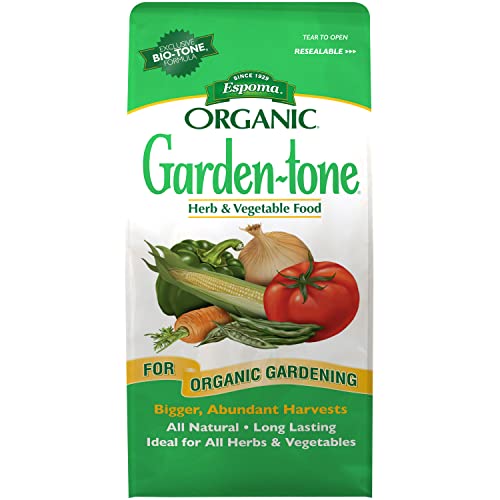
FOR USE ON: Use Garden-tone organic fertilizer for leafy vegetables like lettuce, kale & cabbage as well as warm season crops like tomatoes, peppers, squash & melons.

For more nutritious and tasty vegetables

FOR USE ON: Use Garden-tone organic fertilizer for leafy vegetables like lettuce, kale & cabbage as well as warm season crops like tomatoes, peppers, squash & melons.
Conclusion
You now have the tools to successfully grow lettuce and broccoli together. Remember to water consistently, space them properly, fertilize wisely, keep an eye out for pests and diseases, and harvest at the right time. By following these tips, you can enjoy a fruitful harvest of fresh and flavorful produce. Happy gardening!
Frequently Asked Questions
Can lettuce and broccoli be grown together in the same garden?
Yes, lettuce and broccoli can be grown together in the same garden. They are compatible companions that have similar growing requirements, making it feasible to cultivate them alongside each other to maximize space and resources efficiently.
How should I water lettuce and broccoli plants?
Both lettuce and broccoli plants require consistent watering to thrive. It is crucial to ensure that the soil is kept consistently moist but not waterlogged. Aim to water the plants deeply and infrequently to promote healthy root development and avoid issues like rotting or mold.
What is the significance of proper spacing for lettuce and broccoli?
Proper spacing is essential for lettuce and broccoli plants to receive adequate sunlight, air circulation, and nutrients. Providing sufficient space between plants helps prevent overcrowding, reduce competition for resources, and minimize the risk of fungal diseases spreading among the crops.
How should fertilization be approached for lettuce and broccoli?
Fertilization for lettuce and broccoli should be done mindfully. Use organic fertilizers rich in nitrogen, phosphorus, and potassium to support plant growth and development. Avoid over-fertilizing, as it can lead to imbalanced nutrition, burning of roots, or excessive leafy growth at the expense of broccoli heads.
What pest and disease management practices should be implemented?
Regular monitoring for common pests like aphids, caterpillars, and cabbage worms is crucial for preventing infestations. Implement cultural practices such as crop rotation, companion planting, and using organic pest control methods like neem oil to manage pest populations effectively.
When is the ideal time to harvest lettuce and broccoli?
Harvest lettuce when the leaves are tender and full-sized, typically before they start bolting or turning bitter. Broccoli heads should be harvested when they are firm, compact, and deep green in color. Timing is critical to ensure peak flavor and nutritional content in both crops.
