

Have you ever wondered if you can grow fresh lettuce in a grow bag? If you’re short on space or just looking for a simple way to enjoy homegrown greens, you’re not alone. Many people are turning to grow bags as a versatile solution for their gardening needs.
Imagine stepping outside to pick crisp lettuce leaves for your salad, all grown right in your backyard or on your balcony. This article will show you how easy it is to grow lettuce in a grow bag, offering tips and tricks to make the most of your gardening experience. Whether you’re a seasoned gardener or just starting out, you’ll find valuable insights to help you succeed.
Key Takeaways
- Grow Bags Suitability: Grow bags are an ideal option for cultivating lettuce, especially in limited spaces like balconies or patios, providing portability and flexibility.
- Selection of Varieties: Romaine, butterhead, and leaf lettuces are among the best choices for grow bags, as they thrive with the appropriate care and conditions.
- Optimal Conditions: Lettuce requires 12-16 hours of sunlight and temperatures between 60°F and 70°F for healthy growth, making careful placement and monitoring essential.
- Quality Soil and Nutrients: Using a high-quality, well-draining potting mix enriched with compost is crucial, along with regular fertilization every 2-4 weeks to enhance growth.
- Moisture Management: Consistently moist soil is vital for lettuce health, emphasizing the need to check moisture levels regularly and water appropriately.
- Pest and Disease Management: Proactively inspect for pests and ensure good air circulation to prevent diseases, using organic solutions for any infestations.
Understanding Grow Bags
Grow bags are an excellent option for growing lettuce, especially in limited spaces. These flexible containers offer a simple solution for those who want to enjoy homegrown greens without the need for traditional gardening methods.
Recommended Products

STURDY FABRIC MATERIAL: Our fabric grow bags are made of high-quality, thickened non-woven fabric and features reinforced stitching, which is breathable, reusable and durable for long time use. With the fabric planter , your plants will grow well in your balconies, backyards, terrance or patios
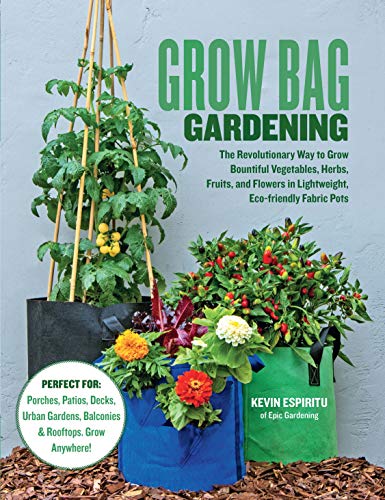

*Light material-Our planting bags are made of durable 1 mm (200g) non-woven fabric, but also strong and durable, corrosion-resistant, wear-resistant, breathable, and have a service life of several years.
What Are Grow Bags?
Grow bags are typically made from breathable fabric or durable materials that allow for good drainage and air circulation. They come in various sizes, accommodating different plant types. Sizes often range from 1 gallon to 20 gallons, allowing you to choose the right one for your lettuce variety. Some may even have handles, making them easy to move around your garden, balcony, or patio.
Benefits of Using Grow Bags
Using grow bags offers several advantages:
- Better Drainage: Grow bags promote excellent drainage, preventing waterlogged soil that can lead to root rot.
- Root Development: Fabric containers air-prune roots, encouraging a healthier root system. Stronger roots lead to more robust plants.
- Portability: You can easily move grow bags to capture optimal sunlight or protect plants from harsh weather.
- Soil Quality: Grow bags require less soil than traditional garden beds, making it easier to manage soil amendments and nutrients.
- Space Efficiency: They fit in smaller areas, like balconies or patios, allowing you to maximize your gardening potential.
Incorporating grow bags into your gardening routine can enhance your lettuce-growing experience significantly.
Growing Lettuce: An Overview
Growing lettuce in grow bags proves to be an excellent choice for maximizing limited space while enjoying fresh greens. You can cultivate various lettuce types successfully, provided you understand their needs and optimal growing conditions.
Types of Lettuce Suitable for Grow Bags
- Romaine Lettuce: Known for its sturdy leaves and crunchy texture, romaine thrives in grow bags when given sufficient space.
- Butterhead Lettuce: This tender variety flourishes in smaller grow bags and produces soft, leafy heads.
- Leaf Lettuce: Fast-growing and versatile, leaf lettuce grows well in small spaces, offering multiple harvests throughout the season.
- Oscillating Varieties: Some hybrid types, like Little Gem, adapt well to grow bags, adding diversity to your garden.
- Light: Lettuce thrives in 12-16 hours of sunlight daily. Position your grow bags in a sunny spot to encourage growth.
- Temperature: Ideal temperatures range from 60°F to 70°F. Protect your plants from extreme heat or cold to foster healthy development.
- Soil Quality: Use a high-quality potting mix with good drainage. Enrich with compost for nutrients.
- Watering: Keep the soil consistently moist but not soggy. Water deeply when the top inch of soil feels dry.
- Fertilization: Apply a balanced, water-soluble fertilizer every 2-4 weeks to support vibrant growth and lush foliage.
Understanding these types and conditions helps you grow thriving lettuce in grow bags, offering a satisfying and productive gardening experience.
Can I Grow Lettuce in a Grow Bag?
Yes, you can grow lettuce in a grow bag. This method suits those with limited outdoor space or anyone wanting an easy gardening solution. Here’s what you need to know.
Recommended Products

Sturdy & Garden-Ready Material: Made of 300g of thickened nonwoven fabric, these pots are moderately permeable, environmentally friendly, and BPA-free; Ideal for raised beds, patios, and outdoor gardens
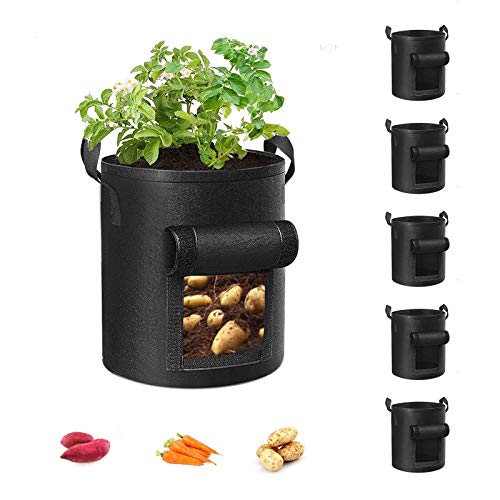
Durable Material: Made of 300g thick non-woven fabric that can be reused for more than 3 years.

Reusable garden grow bags designed to improve plant growth by air pruning roots and draining excess water.
Space Requirements
Grow bags come in various sizes, making them excellent for small spaces like patios or balconies. For lettuce, choose bags that are at least 5 to 10 gallons in volume. This size supports healthy root growth and provides enough space for multiple plants. You can place several bags together for a mini garden, maximizing your gardening area.
Soil and Nutrient Considerations
Select a high-quality potting mix enriched with compost for your grow bags. This blend ensures excellent drainage and nutrient availability. Aim for a pH level of 6.0 to 7.0, which fosters optimal growth.
Regularly fertilize your lettuce with a balanced, water-soluble fertilizer every four to six weeks. This boosts nutrient supply and encourages leafy growth. Monitor moisture levels in the soil; keep the soil consistently moist but not waterlogged for the best results.
Step-by-Step Guide to Growing Lettuce in Grow Bags
Growing lettuce in grow bags involves a straightforward process. Follow these steps to ensure a successful harvest.
Preparing the Grow Bag
- Select Your Grow Bag: Choose a grow bag that holds at least 5 to 10 gallons. These sizes provide ample space for healthy root development.
- Fill with Soil: Use a high-quality potting mix enriched with compost. Fill the bag to about an inch from the top to allow space for watering.
- Moisture Check: Ensure the soil is moist but not soggy. You want it to be damp to the touch—this encourages germination.
Planting Lettuce Seeds or Seedlings
- Timing: Plant seeds or seedlings when the temperature is between 60°F and 70°F. This range promotes optimal growth.
- Sowing Seeds: Scatter seeds evenly across the soil surface. Lightly cover them with soil—about 1/4 inch deep.
- Transplanting Seedlings: If using seedlings, create holes in the soil that are slightly larger than the root ball. Space each seedling about 6 to 12 inches apart, depending on the type of lettuce.
- Watering: Gently water the planted seeds or seedlings to encourage deep root growth.
- Moisture Monitoring: Check the soil moisture regularly. Keep it consistently moist without overwatering. Use your finger to test the top inch of soil.
- Sunlight Needs: Ensure your grow bag receives 12-16 hours of sunlight each day. If sunlight is limited, consider using grow lights to supplement.
- Fertilizing: Apply a balanced, water-soluble fertilizer every four to six weeks. Follow the package directions for dilution rates.
- Pest Management: Inspect the leaves for pests weekly. Use organic pest control methods if necessary, such as neem oil or insecticidal soap.
- Harvesting: When leaves grow to about 6 inches long, you can begin harvesting. Cut outer leaves regularly, allowing the inner ones to continue growing.
By adhering to these straightforward steps, you can cultivate thriving lettuce in your grow bags, regardless of your gardening experience.
Troubleshooting Common Issues
Growing lettuce in grow bags might come with challenges. Knowing how to address these common issues helps ensure a successful harvest.
Pests and Diseases
Pests can damage your lettuce plants. Common pests include aphids, slugs, and cutworms. To combat these threats:
- Inspect regularly: Check your plants weekly for any signs of pests or disease.
- Introduce beneficial insects: Ladybugs and lacewings can help control aphids naturally.
- Apply organic pest control: Use insecticidal soap or neem oil to treat infestations without harming beneficial insects.
- Rotate crops: Change your planting location each season to disrupt pest cycles.
Diseases like downy mildew and gray mold can also affect your lettuce. Prevent these problems by:
- Ensuring good air circulation: Space your grow bags properly and avoid overcrowding.
- Watering wisely: Water at the base of the plants to prevent wet leaves, which can lead to mold.
- Choosing disease-resistant varieties: Select lettuce types that are less susceptible to diseases.
Environmental Challenges
Environmental factors play a crucial role in growing lettuce successfully. Common challenges include temperature fluctuations, light availability, and moisture levels. You can overcome these hurdles by:
- Monitoring temperatures: Aim to keep your grow bags in a location where temperatures remain between 60°F and 70°F. If temperatures exceed this, consider providing shade with a cloth during the hottest hours.
- Positioning for sunlight: Ensure your lettuce gets 12-16 hours of sunlight daily. If natural light is limited, consider using grow lights.
- Controlling moisture: Keep soil consistently moist but not soggy. Check the moisture level by sticking your finger into the soil; water when the top inch feels dry.
By addressing these pests, diseases, and environmental challenges, you foster a healthy growing environment that leads to thriving lettuce in your grow bags.
Conclusion
Growing lettuce in a grow bag is a fantastic way to enjoy fresh greens right from your own space. Whether you’re a seasoned gardener or just starting out you’ll find that it’s a rewarding and manageable project.
With the right care and attention your lettuce can thrive in these flexible containers. Just remember to choose the right bag size and keep an eye on soil moisture and sunlight.
By following the tips shared you’ll be well on your way to a bountiful harvest of crisp delicious lettuce. So grab your grow bags and get started on your leafy adventure!
Frequently Asked Questions
Can I grow lettuce in grow bags?
Yes, you can successfully grow lettuce in grow bags. These flexible containers provide excellent drainage and air circulation, making them ideal for lettuce cultivation, especially in limited spaces like balconies or small gardens.
What types of lettuce can I grow in grow bags?
You can grow various types of lettuce in grow bags, including romaine, butterhead, leaf lettuce, and smaller varieties like Little Gem. Each type has specific light and temperature needs to thrive, so choose wisely.
How large should my grow bags be for lettuce?
For optimal growth, choose grow bags that are at least 5 to 10 gallons in volume. This size will provide sufficient space for healthy root development and accommodate multiple plants, promoting better harvests.
What soil should I use for growing lettuce in grow bags?
Use a high-quality potting mix enriched with compost. Maintaining a pH level between 6.0 and 7.0 can enhance nutrient availability, ensuring your lettuce grows healthy and strong.
How often should I water my lettuce in grow bags?
Keep the soil consistently moist but not waterlogged. It’s crucial to monitor the moisture levels, especially during hot weather, to prevent wilting or root rot.
What fertilizers are best for lettuce in grow bags?
A balanced, water-soluble fertilizer applied every four to six weeks is ideal. This will provide the essential nutrients your lettuce needs to thrive throughout its growing cycle.
How much sunlight do lettuce plants require?
Lettuce typically needs 12 to 16 hours of sunlight daily for optimal growth. Ensure your grow bags are placed in a spot that receives ample sunlight throughout the day.
What common pests should I watch out for?
Common pests include aphids, slugs, and cutworms. Regular inspections and preventative measures, such as introducing beneficial insects or organic pest control methods, can help manage these issues effectively.
How do I prevent diseases in my lettuce?
To prevent diseases like downy mildew and gray mold, ensure good air circulation, avoid overhead watering, and choose disease-resistant lettuce varieties. Monitoring moisture levels also plays a key role in disease prevention.
Can I grow lettuce year-round in grow bags?
Yes, you can grow lettuce year-round by managing environmental factors. Indoor growing or utilizing cold frames can help maintain appropriate temperatures and light conditions, especially in colder months.
