

Ever wondered what to do with those leftover lettuce scraps? Instead of tossing them in the trash, why not turn them into a fresh, homegrown salad? Growing lettuce from kitchen scraps is not only easy but also a fun way to reduce waste and enjoy a little gardening.
Key Takeaways
- Lettuce Regrowth: Lettuce can easily regrow from kitchen scraps like the bases of Romaine, Butterhead, and Leaf Lettuce, making it an eco-friendly gardening practice.
- Cost Savings: Regrowing lettuce from leftovers is a cost-effective way to enjoy fresh greens without purchasing new heads from the store.
- Sustainability and Education: This method reduces food waste and offers a fun, educational experience for families, fostering responsibility and an understanding of plant growth.
- Growing Process: Follow simple steps including selecting healthy scraps, preparing a water container, ensuring adequate sunlight, and changing the water regularly for successful regrowth.
- Common Challenges: Be aware of potential issues such as slow root development, yellowing leaves, pest infestations, and mold growth, along with solutions to mitigate these challenges.
- Harvest Responsibly: Harvest outer leaves to encourage new growth, and consider crop rotation to maintain a continuous supply of fresh lettuce throughout the season.
Understanding Lettuce Regrowth
Lettuce can easily regrow from scraps, providing a convenient way to enjoy fresh greens while reducing waste. This section outlines the types of lettuce suitable for regrowth and highlights the benefits of this simple gardening practice.
Types of Lettuce Suitable for Regrowth
- Romaine: Romaine lettuce thrives during regrowth. Cut the bottom about an inch above the base. Place it in water, and it sprouts new leaves within days.
- Butterhead: Butterhead lettuce also regrows well. Remove the stem and place the base in water. Expect new growth in about one week.
- Leaf Lettuce: Leaf lettuce varieties, such as red leaf or green leaf, are perfect for regrowth. Cut the leaves, leaving a small base. Place it in water, and new leaves will emerge quickly.
- Cost-Effective: Regrowing lettuce saves money on grocery bills. You can use leftover scraps instead of buying new heads.
- Freshness: Homegrown lettuce tastes fresher than store-bought. You enjoy the flavor of freshly picked greens.
- Sustainability: This practice promotes sustainability. You reduce food waste by utilizing leftovers and encouraging eco-friendly gardening.
- Educational: Regrowing lettuce offers a fun educational opportunity for families, especially children. It teaches responsibility and the basics of plant growth.
Regrowing lettuce from scraps isn’t just a practical way to enjoy fresh greens; it also contributes to a sustainable lifestyle.
Preparing Your Leftover Lettuce
Start by gathering your leftover lettuce scraps. These can come from the base of Romaine, Butterhead, or Leaf Lettuce. Freshness and quality enhance the regrowing process, so aim for scraps that look crisp and healthy.
Selecting the Right Leftover
Choose lettuce scraps that have a healthy appearance. Opt for the base of Romaine or Leaf Lettuce. Ensure they show no signs of spoilage. An ideal piece is about 2-3 inches long. If you’re working with Butterhead, use the entire stem to maximize growth potential. Avoid scraps that are wilted or slimy, as these won’t thrive.
Necessary Tools and Supplies
Gather a few basic tools and supplies to set up your regrowing station:
- Water – You’ll need a container for soaking the scraps.
- Dish or Shallow Bowl – This holds the lettuce upright.
- Sunlight – Place your setup in a spot that gets ample sunlight.
- Scissors – For trimming the scraps as they grow.
- Optional Nutrients – A bit of compost or liquid fertilizer can enhance growth.
With these supplies, you’re all set to start your lettuce regrowth journey.
Growing Process
Growing lettuce from leftover scraps is straightforward and rewarding. Follow these steps for a successful regrowth experience.
Step-by-Step Growth Method
- Choose Your Scraps: Start with healthy base scraps that are at least 2-3 inches long. Select from Romaine, Butterhead, or Leaf Lettuce, ensuring they show no signs of spoilage.
- Prepare the Container: Fill a shallow bowl with enough water to submerge the roots but not the leaves to prevent rotting.
- Place the Scraps: Set the lettuce scraps upright in the water. Ensure the cut end is completely submerged. This promotes root development.
- Set for Sunlight: Position the bowl in a sunny area, like a windowsill, where it receives 6-8 hours of sunlight daily. Bright, indirect light works well.
- Change the Water: Refresh the water every 2-3 days. This keeps the scraps healthy and encourages growth.
- Watch for Growth: Monitor your lettuce as roots form and new leaves emerge. This process takes about 1-2 weeks.
- Transplant (Optional): Once roots reach 2-3 inches, you can transplant the lettuce into soil for continued growth. Use a pot with drainage holes and quality potting soil.
- Water Regularly: Keep the soil moist, but avoid waterlogging. Check daily, especially in warm weather.
- Fertilize Occasionally: Apply a diluted liquid fertilizer every 2-4 weeks for enhanced growth. Organic options, like compost tea, work great.
- Watch for Pests: Inspect your plants regularly. Look for aphids, slugs, or other pests, and treat any infestations promptly.
- Harvest Responsibly: When leaves reach a suitable size, harvest outer leaves first. This encourages new growth in the center.
- Rotate Your Crops: To ensure a continuous supply of lettuce, stagger your plantings every 2-3 weeks. This keeps a fresh supply throughout the season.
Challenges and Solutions
Growing lettuce from scraps can come with challenges. A few common issues may arise, but you can overcome them with practical solutions.
Recommended Products

Complete Lettuce Garden Starter Kit Indoor – 5 heirloom salad and green seed packets, 8 biodegradable soil disks, 8 plant markers, and 8 starter pots. Romaine, Spinach, Arugula, Kale and Buttercrunch lettuce heirloom seeds are the star of the set!
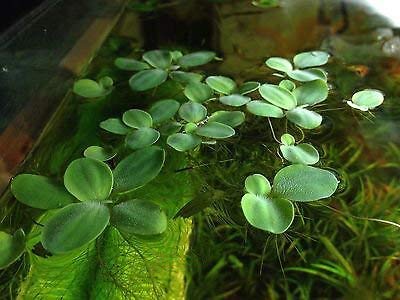
12 Dwarf Water Lettuce, Pistia stratiotes, Live Aquarium/Floating/Aquatic Plant
DO NOT ORDER IF YOUR TEMPS EXCEED 90 DEGREES
Common Issues in Lettuce Regrowth
- Slow Root Development: Sometimes, scraps take longer to develop roots. This can occur due to insufficient light or water conditions.
- Yellowing Leaves: Lettuce may turn yellow if it doesn’t receive enough nutrients or if water conditions aren’t optimal.
- Pest Infestation: Small pests can target your lettuce scraps, causing damage and stunting growth.
- Mold Growth: Excess moisture can lead to mold, preventing healthy development of your lettuce scraps.
- Provide Adequate Sunlight: Place your bowl of lettuce scraps in a location that receives at least 6 hours of direct sunlight each day.
- Change Water Regularly: Replace the water every 2-3 days to prevent stagnation and improve root health. Use room temperature water for best results.
- Add Nutrients: If leaves yellow, consider adding a diluted liquid fertilizer once every couple of weeks. This gives your lettuce the nutrients it needs to thrive.
- Inspect for Pests: Regularly check your lettuce scraps for pests. Use organic pesticide or neem oil if pests appear.
- Control Moisture Levels: Avoid letting scraps sit in water. Ensure that the water level remains just high enough to cover the base of the lettuce scraps.
Conclusion
Regrowing lettuce from scraps is not just a fun project; it’s a step towards a more sustainable lifestyle. You’re not only saving money but also enjoying fresh greens right from your kitchen.
With just a few simple steps and some care, you can transform leftover lettuce into a thriving garden. Whether you’re a seasoned gardener or just starting out, this practice offers a rewarding experience.
So why not give it a try? You might find that your kitchen scraps can lead to a delightful harvest. Happy gardening!
Frequently Asked Questions
Can I regrow any type of lettuce from scraps?
Yes, you can regrow various types of lettuce from scraps, including Romaine, Butterhead, and Leaf Lettuce. Ensure you choose healthy scraps that are 2-3 inches long for the best results.
What tools do I need to regrow lettuce from scraps?
To regrow lettuce, you’ll need a shallow bowl, clean water, sunlight, sharp scissors, and optionally, compost or liquid fertilizer for added nutrients.
How do I promote root development in lettuce scraps?
Place your lettuce scraps upright in a shallow bowl of water, ensuring the base is submerged. This facilitates root growth, so check regularly and change the water as needed.
What are the benefits of regrowing lettuce from scraps?
Regrowing lettuce saves money, enhances freshness, promotes sustainability, and offers educational opportunities for families, all while reducing kitchen waste.
What challenges might I face when regrowing lettuce?
Common challenges include slow root growth, yellowing leaves, pest infestations, and mold. Address these by providing adequate sunlight, changing water regularly, and monitoring for pests.
How often should I change the water for regrowing lettuce?
Change the water every few days or when it appears cloudy to ensure that your lettuce scraps thrive and encourage healthy root development.
Can I transplant regrown lettuce into soil?
Yes, once your lettuce has developed a robust root system, you can transplant it into soil for continued growth. This helps enhance nutrient uptake and long-term health.
