

Are you dreaming of harvesting fresh cucumbers right from your own home, but limited on space? Picture this: your very own vibrant cucumber plant thriving in a container on your balcony or patio. Exciting, right? In this article, we’ll show you how you can grow cucumbers in a container, bringing the joy of gardening to even the smallest of living spaces.
Imagine stepping outside and plucking a crisp cucumber for your salad, all from a container just a few steps away. No need for a sprawling garden or acres of land. With our tips and guidance, you’ll discover the simple yet rewarding process of container cucumber gardening. Get ready to savor the taste of homegrown cucumbers and enjoy the satisfaction of growing your own produce, no matter where you live.
Choosing the Right Container
When choosing a container for your cucumbers:
- Opt for a container that is at least 16 inches in diameter and 12 inches deep.
- Ensure the container has drainage holes to prevent waterlogging.
- Pick containers made of durable materials like plastic or ceramic.
- Consider the location where you’ll place the container for proper sunlight exposure.
- Look for containers that are lightweight and easy to move around as needed.
- Larger containers retain more moisture and keep the roots cool.
- Dark-colored containers can absorb heat, affecting soil temperature.
Selecting the Ideal Cucumber Variety
When selecting a cucumber variety for container gardening, it’s crucial to choose one that thrives in confined spaces. Consider compact bush varieties that require less horizontal space or dwarf cucumber varieties specifically bred for container growing.
| Variety | Description |
|---|---|
| Bush Champion | Compact, prolific bearer suitable for containers. |
| Spacemaster | Small, bushy plant that produces well in limited spaces. |
| Patio Snacker | Ideal for small spaces, produces snack-sized cucumbers. |
Opt for disease-resistant varieties to prevent common cucumber diseases in container environments. Look for varieties labeled as powdery mildew-resistant or downy mildew-tolerant for healthier plants.
Tip: Read seed packets or plant tags carefully for information on plant characteristics and suitability for containers.
Choose a cucumber variety that aligns with your container size and sunlight availability to ensure a successful container gardening experience.
Recommended Products

COMPACT SPACE-SAVING PLANTS – Dwarf bush cucumbers grow just 2–3 feet long, perfect for container gardening and small outdoor spaces
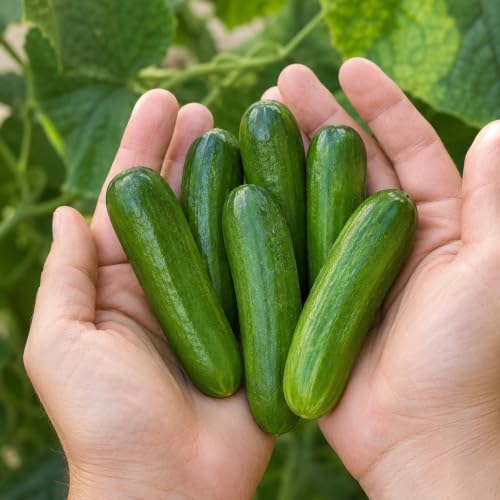
COMPACT & SPACE-SAVING VARIETY: Mini-Me cucumbers are bred for smaller gardens, containers, and raised beds without sacrificing productivity. Enjoy fresh vegetables even if you have limited outdoor space.
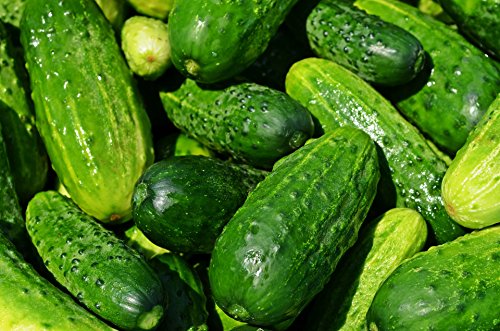
“Space Master 80” cucumber seeds. “Space Master” is a variety of cucumber that thrives in small spaces. Bush-like plants produce cucumbers in as little as 2 months from planting. Each packet yields an average of 17 plants, each producing 4 to 7 cucumbers per week.
Preparing the Container
To ensure successful cucumber growth in a container, it’s crucial to pay attention to how you set up the container itself. Here are some essential steps to prepare the container:
- Choose a Suitable Container: Opt for a container that is at least 12 inches in diameter and depth. Make sure it has drainage holes to prevent waterlogging.
- Select Quality Potting Mix: Use a well-draining, lightweight potting mix to provide proper aeration and moisture retention for your cucumber plant.
- Positioning for Sunlight: Place your container in a sunny spot where your cucumbers can receive 6-8 hours of direct sunlight each day.
By following these steps, you’ll be on your way to setting up the perfect environment for your cucumbers in a container garden.
Planting Cucumber Seeds or Seedlings
- Choose cucumber seeds or seedlings: Pick high-quality seeds or healthy seedlings from a garden center.
- Prepare the container: Ensure the container has proper drainage holes to prevent waterlogging.
- Fill with potting mix: Use a quality potting mix for aeration and moisture retention.
- Planting depth: Plant seeds 1 inch deep, or transplant seedlings at the same depth as they were in their nursery pots.
- Spacing: Sow seeds or place seedlings about 6-12 inches apart in the container.
- Watering: Keep the soil moist but not waterlogged, especially during germination.
Recommended Products

EASIER SEED STARTING: Our Burpee SuperSeed tray with 36 flexible pop-out cells is designed to simplify indoor seed starting for all your favorite vegetables, flowers and herbs. Just add seed starting mix, seeds, water and light to get growing! Rows are labeled alphanumerically for seedling identification with included Plant-o-Gram diagram. Tray dimensions: 11.5" x 10-3/8" x 2-1/4"

Upgraded Flexible Cells: Upgraded Silicone Seed Starter Tray with 12 flexible pop-out cells per tray. The soft silicone cells keep seedlings well protected and can be gently bent and popped out when it's time to transplant to your outdoor garden! Our seed starting trays are specifically designed to reduce stress on seedlings, so you won't damage their roots when transplanting

EASIER SEED STARTING: Our Burpee SuperSeed tray with 8 extra-large flexible pop-out cells is designed to simplify indoor seed starting. Just add seed starting mix, seeds, water and light to get growing! Perfectly sized for starting seeds in the windowsill: 11.5" x 5-3/16" x 2-1/4". Rows are labeled alphanumerically for seedling identification with included Plant-o-Gram diagram.
Key Factors for Success
| Factors | Requirements |
|---|---|
| Sunlight | 6-8 hours daily |
| Container size | 12-inch diameter minimum |
| Drainage | Adequate drainage holes |
| Potting mix | Quality mix for aeration and moisture retention |
Caring for Your Container Cucumbers
- Watering: Keep the soil consistently moist, not soggy, by watering when the top inch of soil feels dry.
- Fertilizing: Feed your cucumbers regularly with a balanced fertilizer to support healthy growth and fruit production.
- Pruning: Pinch off any yellow leaves or side shoots to focus the plant’s energy on fruit development.
- Support: Provide trellises or stakes for vertical growth, saving space and promoting better air circulation.
| Aspect | Details |
|---|---|
| Temperature | Cucumbers thrive in 70-85°F |
| Humidity | Maintain 50-70% humidity levels |
| Pollination | Hand-pollination may be needed in containers |
Harvesting Fresh Cucumbers
After all the care and attention you’ve put into nurturing your container cucumbers, harvesting is the satisfying reward for your efforts. Here are some tips to ensure you pick your cucumbers at just the right time and maximize your yield:
- Monitor the Size: Ensure your cucumbers are of the appropriate size depending on the variety you’re growing. Generally, cucumbers are ready for harvesting when they reach about 6-9 inches in length.
- Check the Color: Look for a deep, vibrant color. For example, most varieties of cucumbers develop a rich green hue when they are ripe and ready to be picked.
- Inspect Regularly: Make it a habit to check your plants daily. Cucumbers can quickly grow past their prime, so regular monitoring is essential.
- Use Pruning Shears: When harvesting, it’s best to use pruning shears or a sharp knife to cut the cucumber off the vine. This helps prevent damage to the plant.
- Harvest Gently: Handle your cucumbers with care to avoid bruising or scratching the skin, which can reduce their shelf life.
- Frequent Harvesting: Regularly harvest ripe cucumbers to encourage the plant to produce more. The more you pick, the more the plant will keep producing.
Conclusion
Growing cucumbers in containers is a rewarding experience that allows you to enjoy fresh produce right at home. By following the tips shared in this article, you can successfully cultivate cucumbers in containers and harvest them at the peak of freshness. Remember to monitor your plants, harvest with care, and maintain a consistent routine to ensure a bountiful supply of cucumbers. With a little effort and attention, you’ll soon be enjoying the crisp and flavorful cucumbers grown in your own container garden. Happy gardening!
Frequently Asked Questions
How do I know when to harvest cucumbers from container plants?
Monitor the size and color of the cucumbers. Harvest when they reach the desired size and have a vibrant color.
How often should I check my container cucumber plants for harvest?
Regularly check your plants every few days to ensure you don’t miss the ideal harvest window.
What tool should I use for harvesting cucumbers from container plants?
Use pruning shears to carefully cut the cucumbers from the vine to avoid damaging the plant.
How should I handle harvested cucumbers to prevent damage?
Handle the cucumbers gently to avoid bruising or scratching the skin, which can lead to spoilage.
How can I promote continuous cucumber production with harvesting?
Frequent harvesting encourages the plant to produce more cucumbers, promoting continuous yield throughout the season.
