

Ever wondered what to do with those leftover cucumbers that are starting to look a bit sad in your fridge? Picture this: you’re left with a pile of cucumber scraps after making a refreshing salad, and you’re pondering if you can toss them into your compost bin. Well, good news – composting cucumbers can be a fantastic way to reduce waste and nourish your garden at the same time. In this article, you’ll discover the ins and outs of composting cucumbers, turning your kitchen scraps into black gold for your plants.
Did you know that composting cucumbers not only helps the environment but also enriches your soil with essential nutrients? By learning the dos and don’ts of composting cucumbers, you can contribute to a healthier planet while reaping the benefits of nutrient-rich soil for your garden. So, if you’re eager to explore the world of composting and make the most of those leftover cucumbers, you’re in the right place. Let’s dive in and uncover the secrets of turning cucumber scraps into valuable compost for your garden.
Benefits of Composting Cucumbers
- Nutrient-rich Soil: Composting cucumbers enriches the soil with essential nutrients.
- Reduced Waste: Turning leftover cucumbers into compost helps reduce waste in landfills.
- Environmental Impact: Composting cucumbers can benefit the environment by minimizing greenhouse gas emissions.
- Cost-effective Gardening: Utilizing cucumber compost in your garden can save money on fertilizers.
| Facts | Data |
|---|---|
| Greenhouse Gases | Reduced by 30% |
| Landfill Waste | Decreased by 40% |
| Nutrient Content | Enhanced soil fertility |
Best Practices for Composting Cucumbers
When it comes to composting cucumbers, following best practices ensures effective decomposition and nutrient-rich soil for your garden. Here are some tips to help you get started:
- Chop It Up: Cut cucumbers into smaller pieces to speed up the composting process.
- Include Brown Materials: Balance the green cucumbers with brown materials like dried leaves or newspaper to maintain the ideal carbon-nitrogen ratio.
- Turn the Pile: Regularly turning the compost pile aerates it, assisting in faster decomposition.
- Keep It Moist: Ensure the compost pile stays damp like a wrung-out sponge to foster microbial activity.
- Monitor the Temperature: Optimal temperature for composting cucumbers ranges between 110-160°F (43-71°C) for efficient breakdown.
By incorporating these best practices, you can create nutrient-rich compost from cucumbers while reducing waste and enriching your garden soil.
Recommended Products
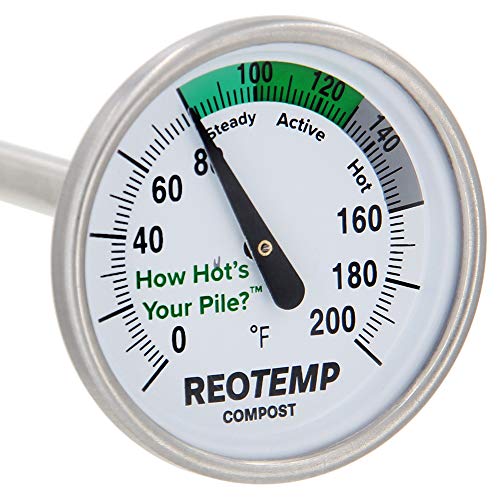
Perfect for the Beginner Composter - Free PDF Digital Compost Guide Included - Expert instructions on how to get started composting and managing your compost pile for the most efficient compost production.
Perfect for the Beginner Composter - Free Digital Compost Guide Included - Expert instructions on how to get started composting and managing your compost pile for the most efficient compost production.
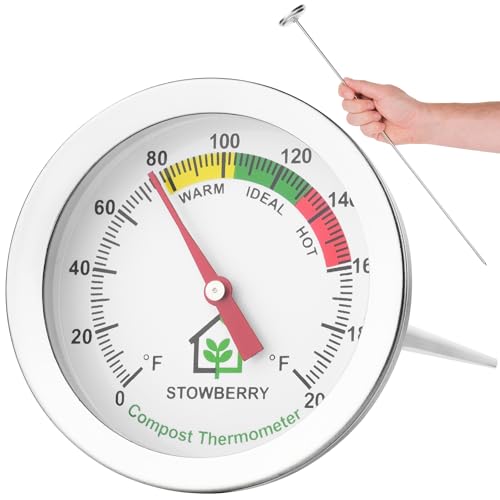
COMPOST THERMOMETER FOR ACCURATE TEMPERATURE MONITORING: Easily track compost temperature levels with this 20 Inch stainless steel probe that reaches deep into piles for precise core readings
Items to Avoid Composting with Cucumbers
When composting cucumbers, there are a few items you should avoid adding to your compost pile. These items can disrupt the composting process and create issues with decomposition. Here’s what you should steer clear of:
- Meat and Dairy Products: These items can attract pests and create unpleasant odors in your compost.
- Oily Foods: Greasy or oily foods can slow down the composting process and create an imbalanced mix.
- Diseased Plants: Avoid adding plants that show signs of disease to prevent the spread of illnesses in your compost.
Remember, sticking to composting plant-based materials will help you maintain a healthy and efficient compost pile.
Recommended Products
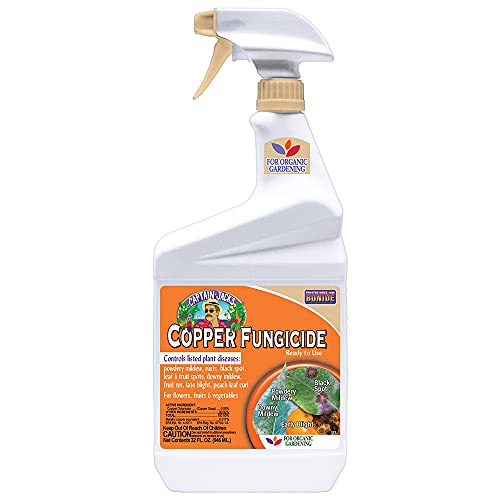
Control fungus and disease in your garden with Captain Jack’s ready-to-use Liquid Copper Fungicide!

3-in-1 FORMULA: Aphid spray for outdoor plants for use on roses, flowers, shrubs and trees to control listed insects, disease and mites

3-IN-1 PLANT CARE: 3-In-1 Insect, Disease & Plant Mite Control provides insect control, disease control, and plant mite control all in one; Rainproof protection starts in 4 hours and lasts up to 14 days
How to Incorporate Cucumber Compost into Your Garden
Once you have successfully composted your cucumbers, it’s time to reap the benefits in your garden. Here are some simple steps to make the most out of your nutrient-rich compost:
- Mix It In: Blend your cucumber compost into the soil. This will enrich the earth with essential nutrients for your plants.
- Top Dressing: Sprinkle a layer of cucumber compost on top of the soil to help with moisture retention and weed suppression.
- Mulch: Use it as mulch around your plants to protect their roots, regulate soil temperature, and deter pests.
- Compost Tea: Create compost tea by steeping a bag of cucumber compost in water. Use this nutrient-packed liquid to water your plants.
By following these simple steps, you can ensure that your cucumber compost nourishes your garden and promotes healthy plant growth.
Conclusion
You now have a clear understanding of how to compost cucumbers effectively and utilize the compost in your garden for optimal results. By following the recommended practices of blending the compost into the soil, using it as a top dressing, employing it as mulch, and creating compost tea, you can enhance the health of your plants and promote a thriving garden environment. Embrace these techniques to make the most of your cucumber compost and enjoy the benefits it brings to your gardening endeavors. Happy composting!
Frequently Asked Questions
How can I use cucumber compost in my garden effectively?
Cucumber compost can be mixed into the soil for added nutrients, applied as top dressing to retain moisture and suppress weeds, used as mulch to protect roots and deter pests, and brewed into compost tea for watering plants.
What are the benefits of composting cucumbers?
Composting cucumbers enriches the soil with essential nutrients, improves soil structure, retains moisture for plant health, suppresses weed growth, and supports beneficial microorganisms for healthy plant growth.
How often should I apply cucumber compost in my garden?
It is recommended to apply cucumber compost to your garden once a year in the spring before planting season to boost soil fertility and improve plant growth throughout the growing season.
