

Ever wondered if your chickens can feast on cucumber plants? Imagine having a flock of curious chickens eyeing your garden. You’re not alone in pondering this dilemma. In this article, you’ll discover whether these feathered friends can munch on cucumber plants without any worries.
Picture this: you’ve spent hours tending to your garden, only to find your chickens eyeing your cucumber plants with great interest. You may be wondering, “Can chickens eat cucumber plants?” Well, fret not! This article will provide you with all the essential information you need to keep your chickens happy and your plants thriving.
Exploring the Nutritional Value of Cucumber Plants
When considering whether chickens can eat cucumber plants, it’s essential to understand the nutritional benefits they provide. Here’s a glimpse into the nutritional value of cucumber plants:
- High Water Content: Cucumber plants are made up of over 90% water, making them a hydrating option for chickens, especially in hot weather.
- Vitamins and Minerals: These plants are a good source of Vitamin K, which is important for blood clotting, as well as potassium, a vital mineral for muscle function.
- Fiber: Cucumber plants contain fiber, which can aid in digestion and promote overall gut health in chickens.
- Low in Calories: If you’re looking for a low-calorie treat for your chickens, cucumber plants can be a good option.
- Antioxidants: Cucumber plants contain antioxidants that can help combat free radicals in the body.
- Variety: Adding cucumber plants to your chickens’ diet can provide nutritional variety, complementing their existing feed.
By incorporating cucumber plants into your chickens’ diet in moderation, you can introduce a range of nutrients that contribute to their overall well-being.
Understanding the Risks for Chickens Consuming Cucumber Plants
When it comes to chickens consuming cucumber plants, it’s essential to be aware of potential risks. While cucumbers can offer nutritional benefits, certain parts of the plant can pose health hazards to chickens if consumed in excess.
Here are some key risks to consider:
- Toxic Compounds: Cucurbitacins, found in the stems and leaves of cucumber plants, can be toxic to chickens, leading to symptoms like digestive upset.
- Pesticides: If cucumber plants have been treated with pesticides or chemicals, these can be harmful to chickens. Always wash the plants thoroughly before offering them to your flock.
- Choking Hazard: The hard seeds in cucumbers can present a choking risk to chickens, especially if they consume large quantities at once.
To ensure the health and safety of your chickens, it’s crucial to exercise caution when introducing cucumber plants into their diet. Moderation is key to preventing any adverse effects and promoting a balanced nutritional intake.
Remember, as with any new food item, it’s best to observe how your chickens react to cucumber plants and make adjustments accordingly to keep them happy and healthy.
Recommended Products

COMPACT SPACE-SAVING PLANTS – Dwarf bush cucumbers grow just 2–3 feet long, perfect for container gardening and small outdoor spaces
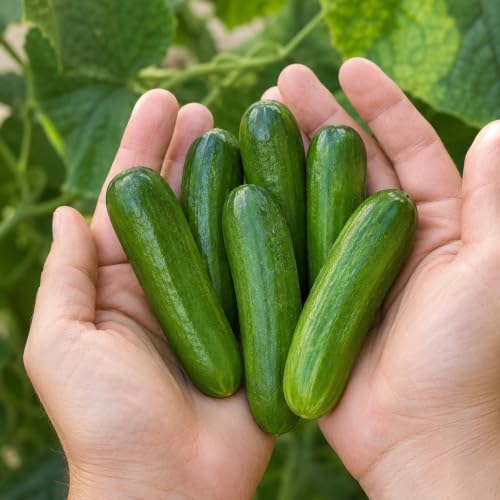
COMPACT & SPACE-SAVING VARIETY: Mini-Me cucumbers are bred for smaller gardens, containers, and raised beds without sacrificing productivity. Enjoy fresh vegetables even if you have limited outdoor space.
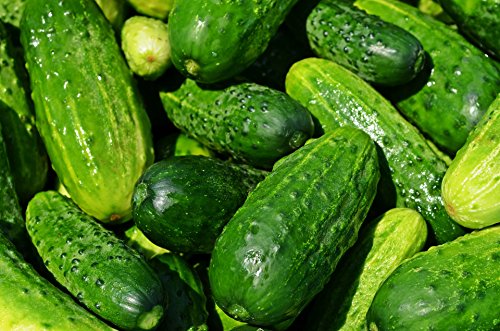
“Space Master 80” cucumber seeds. “Space Master” is a variety of cucumber that thrives in small spaces. Bush-like plants produce cucumbers in as little as 2 months from planting. Each packet yields an average of 17 plants, each producing 4 to 7 cucumbers per week.
Benefits of Allowing Chickens to Eat Cucumber Plants
When considering whether to let your chickens munch on cucumber plants, you’ll be pleased to know that there are benefits to this dietary choice. Here’s how they can enjoy:
- Hydration: Cucumbers are packed with water, helping to keep your feathered friends hydrated and healthy.
- Vitamins: These plants offer essential nutrients like vitamin K, which is vital for blood clotting and bone health.
- Antioxidants: Chickens can benefit from the antioxidant properties found in cucumbers, supporting their immune system.
In moderation, allowing chickens to nibble on cucumber plants can be a healthy addition to their diet.
How to Safely Introduce Cucumber Plants to Chickens
Here are some tips to safely introduce cucumber plants to your chickens:
- Start Slow: Begin by offering small amounts of cucumber plants to monitor their reaction.
- Observe: Watch for any signs of digestive issues or allergies after introducing the plants.
- Gradual Increase: Slowly increase the quantity of cucumber plants in their diet over time.
- Variety is Key: Ensure a balanced diet by offering a variety of fruits, vegetables, and high-quality feed.
- Freshness Matters: Provide fresh cucumber plants to maintain nutritional value and taste.
- Hydration: Remember that cucumber plants have a high water content, which can also help keep your chickens hydrated.
- Consult a Veterinarian: If you have any concerns about your chickens’ diet, consult a poultry veterinarian for advice.
| Tips for Introducing Cucumber Plants |
|---|
| Start Slow |
| Observe |
| Gradual Increase |
| Variety is Key |
Recommended Products

ELIMINATE DAILY COOP CHORES: No more lugging heavy waterers every morning or worrying about thirsty birds during weekend trips; this gravity fed chicken waterer system automates your homestead hydration by maintaining a steady fresh supply whenever the water level drops

Versatile Chicken Cage Cup: Elevate your coop setup with this 27oz chicken cage cup that works as a chicken waterer, chick feeder, quail feeder, duck waterer, or parakeet feeder, making feeding and watering poultry effortless and mess-free.
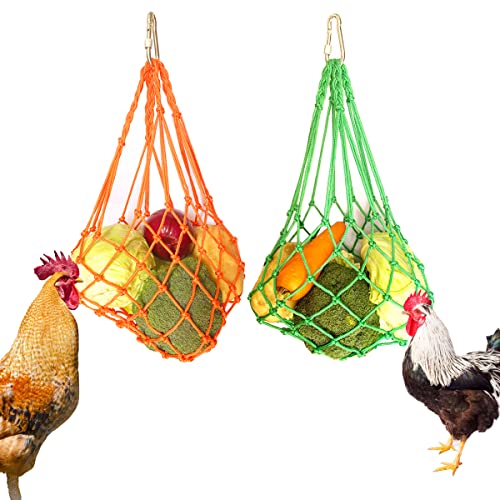
【Materials and Size】: The Vegetable net pockets are made of durable nylon, 24" in length. Big enough and durable enough to hang all kinds of fruits and vegetables such as cabbage lettuce corns tomatoes for your chickens ducks goose to eat.
Ensuring a Balanced Diet for Your Feathered Flock
When feeding your chickens, it’s crucial to maintain a balanced diet to keep them healthy and thriving. Here are some essential tips to help you achieve this:
- Include a variety of foods in their diet.
- Provide a mixture of grains, seeds, fruits, vegetables, and proteins.
- Ensure they have access to fresh water at all times.
- Monitor their intake to prevent overfeeding.
Introducing cucumber plants as part of their diet can be a nutritious addition, but remember to balance it with other foods. By offering a diverse range of nutrients, you can optimize their health and well-being.
Remember, a diverse diet is key to maintaining their overall health. If you have any concerns about their diet or health, don’t hesitate to seek advice from a poultry veterinarian.
Recommended Products

CHICKEN MEAL IS THE FIRST INGREDIENT providing essential protein and amino acids to help maintain strong muscles; Peas, oat groats, and barley are included as a healthy and rich source of fiber for digestive health; Contains (1) 4-Pound bag

Conclusion
Remember, maintaining a balanced diet for your chickens is crucial for their overall health. Including a variety of foods like grains, seeds, fruits, vegetables, and proteins is key. While cucumber plants can be a beneficial addition, ensure you mix it up with other foods to provide a diverse range of nutrients. The goal is to optimize your chickens’ well-being through a varied diet. If you have any concerns about their diet or health, don’t hesitate to consult a poultry veterinarian for expert advice. Happy chickens lead to happy egg production!
Frequently Asked Questions
What types of foods should be included in a chicken’s diet?
Chickens should have a balanced diet consisting of grains, seeds, fruits, vegetables, and proteins to ensure their health and well-being.
Is it necessary to provide fresh water to chickens?
Yes, it is essential to provide chickens with fresh water regularly to keep them hydrated and healthy.
Can chickens eat cucumber plants?
Introducing cucumber plants as part of their diet can be beneficial, but it should be balanced with other foods to provide a diverse range of nutrients.
What is the key to optimizing chickens’ health?
The key to optimizing chickens’ health is to provide them with a diverse and balanced diet that includes a variety of nutrients from different food sources.
When should I consult a poultry veterinarian regarding my chickens’ diet?
It is recommended to seek advice from a poultry veterinarian if you have any concerns about your chickens’ diet or overall health for professional guidance and support.
