

Have you ever wondered if you can plant cabbage and lettuce side by side in your garden? You’re not alone! Many gardeners face this dilemma, especially when trying to maximize their growing space.
Key Takeaways
- Compatibility: Cabbage and lettuce can be planted together, utilizing different growth habits for space efficiency and complementary shading.
- Nutrient Management: Both plants require nitrogen, so use balanced fertilizers and maintain proper spacing to minimize competition for nutrients.
- Pest Control: Companion planting can enhance pest management by attracting beneficial insects that help keep harmful pests at bay.
- Growing Conditions: Both crops thrive in loamy, well-draining soil with a pH of 6.0 to 7.5 and full sun, with lettuce benefiting from partial shade, particularly in hotter months.
- Spacing: Cabbage needs 18-24 inches between plants, while lettuce should be spaced 6-12 inches apart to ensure adequate sunlight and nutrient access.
- Staggered Planting: To optimize growth and harvest times, plant lettuce earlier in the season than cabbage, allowing for a continuous yield.
Can Cabbage and Lettuce Be Planted Together?
Cabbage and lettuce can be planted together, but consider a few important aspects. Both belong to the same family, Brassicaceae, but they have different growing habits and nutrient requirements.
Planting Benefits
- Space Efficiency: Planting cabbage and lettuce together maximizes garden space. Cabbage grows upright, while lettuce remains low to the ground. This arrangement allows both to utilize sunlight effectively.
- Complementary Growth: Cabbage provides shade to lettuce, which prefers cooler conditions. This combination can result in healthier lettuce plants.
Potential Issues
- Nutrient Competition: Both cabbage and lettuce require nitrogen, making competition for nutrients a concern. Use a balanced fertilizer to ensure both plants receive adequate nutrients.
- Pest Attraction: Cabbages attract specific pests like aphids and cabbage worms. If you notice an increase in pests, consider using companion planting methods to mitigate the issue.
Practical Tips
- Spacing: Space cabbage plants at least 18 inches apart and lettuce plants 12 inches apart. This gives them room to grow without crowding each other.
- Timing: Plant lettuce earlier in the season than cabbage. Lettuce germinates quickly and can be harvested before the cabbage matures.
- Soil Quality: Ensure well-drained soil rich in organic matter. Test your soil pH and adjust it to between 6.0 and 7.0 for optimal growth.
Conclusion
By following these guidelines, you can successfully grow cabbage and lettuce together, enhancing your garden’s productivity.
Benefits of Companion Planting
Companion planting, like cultivating cabbage and lettuce together, brings numerous advantages to your garden. This practice fosters a healthier growing environment and enhances your overall gardening experience.
Pest Control
Planting cabbage and lettuce together can aid in pest control. Cabbage attracts beneficial insects that prey on common pests like aphids and cabbage worms. By planting lettuce nearby, you create a diverse habitat that confuses pests, keeping them at bay. To maximize this benefit, intersperse lettuce plants among cabbage rows. This strategy effectively reduces pest populations and promotes a healthier garden.
Nutrient Optimization
Companion planting optimizes nutrient use in your garden. Cabbage has deep roots that access nutrients in lower soil layers, while lettuce has shallow roots that thrive in the topsoil. By planting them together, you maximize the use of available nutrients. Ensure proper spacing between plants to avoid competition, allowing both crops to flourish. Regularly amend the soil with compost to further enrich nutrient availability for both cabbage and lettuce.
Growing Conditions for Cabbage and Lettuce
Cabbage and lettuce thrive in similar growing conditions, making them great companions in the garden. Understanding their specific needs ensures healthy and abundant crops.
Recommended Products

Quick, at home results for Soil pH, Nitrogen, Phosphorous and Potash Innovative and inexpensive soil test kit features an easy-to-use capsule system and patented color comparators

Kindly NOTE: This soil tester can not be applied to test pH value of any other liquid. If the soil is too dry the indicator will not move, and water it before testing.

Accurate Soil pH Testing: Dewildetradingco Soil pH Test Strips offer measurements of soil pH levels (pH 3.5-9). As an essential tool for every gardener and grower, these test strips help determine the optimal pH for various plants, such as outdoor plants, indoor plants, gardens, grass lawns, fruit trees, flowers, vegetables, and forest shrubs.
Soil Requirements
Cabbage and lettuce both prefer loamy, well-draining soil rich in organic matter. Aim for a soil pH between 6.0 and 7.5. Prior to planting, amend the soil with compost to improve nutrient availability. This practice also enhances soil structure, promoting strong root development. Consider conducting a soil test to identify nutrient deficiencies. Adding balanced fertilizers may support optimal growth.
Sunlight Needs
Both cabbage and lettuce require full sun for at least six hours daily. However, lettuce benefits from partial shade, especially during the heat of summer. Cabbage can tolerate full sun, but providing some shade can prevent bolting in warmer temperatures. When planting, position taller cabbage plants to offer protective shade to lettuce during the hottest parts of the day. This arrangement not only optimizes growing conditions but also protects both crops from excessive stress caused by high heat.
Best Practices for Planting Cabbage and Lettuce Together
Planting cabbage and lettuce together can enhance your garden’s productivity. Keeping some best practices in mind helps ensure both crops thrive.
Spacing Guidelines
Space cabbage plants 18 to 24 inches apart. This distance allows for adequate air circulation and prevents overcrowding. Lettuce requires about 6 to 12 inches between plants, helping them access sunlight and nutrients without competing with larger cabbages. Organize your garden in rows or blocks with cabbage at the back or center, allowing lettuce to benefit from the protective shade.
Watering Techniques
Water cabbage and lettuce regularly, ensuring consistent moisture. Use drip irrigation or soaker hoses to minimize water on the leaves and reduce the risk of disease. Aim for about 1 to 1.5 inches of water per week, adjusting based on rainfall. Mulching around plants conserves moisture and suppresses weeds. Monitor soil moisture by sticking your finger into the soil; if it feels dry at an inch deep, water the plants.
Common Challenges When Planting Together
Planting cabbage and lettuce together brings benefits but also introduces specific challenges. Recognizing these challenges helps you manage your garden effectively.
Recommended Products

USDA Certified Organic by Oregon Tilth
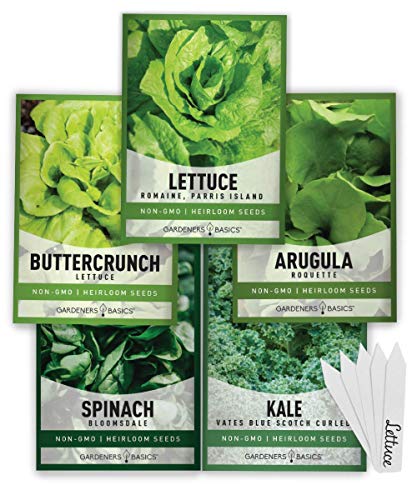
Five leafy greens varieties: Plant Parris Island romaine lettuce seeds, Buttercrunch lettuce seeds, Roquette arugula seeds, Vates Blue Scotch Curled kale seeds, and Bloomsdale spinach seeds. Includes 4,500+ seeds in five separate labeled packets.

4 Popular Heirloom Lettuce Varieties: Includes Red Romaine, Bibb Butterhead, Black Seeded Simpson, and Green Ice lettuce seeds to grow crisp, tender, and colorful salad greens with balanced flavor, texture, and visual appeal.
Nutrient Competition
Cabbage and lettuce share similar nutrient requirements. Both plants need nitrogen, potassium, and phosphorus. When planted too close, they compete for these essential nutrients, potentially leading to stunted growth. Ensure adequate spacing between plants to minimize this competition.
Pest Attraction
Both cabbage and lettuce can attract common pests. Cabbage worms often target cabbages, while aphids may infest lettuce. The proximity of these plants can lead to a higher concentration of pests. Implement integrated pest management strategies, such as introducing beneficial insects or using organic treatments, to keep both plants healthy.
Watering Needs
Though both plants require consistent moisture, their tolerance levels differ. Cabbage can withstand drier conditions better than lettuce, which prefers consistently moist soil. Monitor water levels closely, ensuring lettuce receives adequate moisture while avoiding overwatering cabbage.
Soil Quality Concerns
Cabbage and lettuce thrive in well-draining, loamy soil rich in organic matter. Planting them together may lead to soil degradation if not maintained properly. Regularly amend the soil with compost and organic matter to sustain its quality and nutrient levels.
Growth Timing
Cabbage typically requires a longer growing season than lettuce. If planted simultaneously, timing can become an issue, especially if the lettuce matures first. Stagger your planting times to allow for optimal growth and harvest windows.
By understanding these common challenges, you can create a balanced and productive planting environment for cabbage and lettuce, leading to better garden yields.
Conclusion
Planting cabbage and lettuce together can be a rewarding experience if you keep a few key factors in mind. By understanding their growth habits and needs you can create a thriving garden that maximizes space and yield.
With careful planning and attention to spacing soil quality and pest management you can enjoy a bountiful harvest of both crops. Don’t be afraid to experiment and adjust your approach based on what works best for your garden. Happy gardening and enjoy the fresh flavors of your homegrown cabbage and lettuce!
Frequently Asked Questions
Can cabbage and lettuce be planted together?
Yes, cabbage and lettuce can be planted together. They share similar nutrient needs and growth habits, making them compatible for co-planting.
What are the benefits of planting cabbage and lettuce together?
Planting cabbage and lettuce together improves space efficiency and offers complementary growth benefits. Cabbage can provide shade to lettuce, helping it stay cool.
Are there any challenges when planting cabbage and lettuce together?
Yes, challenges include nutrient competition, pest attraction, and differing watering needs. Proper spacing and soil quality can help manage these issues effectively.
How can I manage nutrient competition between cabbage and lettuce?
To manage nutrient competition, ensure adequate spacing and use quality soil amendments. This approach allows both plants to thrive without competing for resources.
What pest management techniques work well for cabbage and lettuce?
Implementing crop rotation, companion planting, and using organic pest repellents can effectively manage pests that target both cabbage and lettuce.
How often should I water cabbage and lettuce?
Both plants prefer consistent moisture, so water them regularly. Monitor soil moisture and adjust based on weather conditions, aiming for even hydration.
What is the best soil quality for growing cabbage and lettuce?
Use well-draining, nutrient-rich soil with a pH between 6.0 and 7.0 for optimal growth. Adding compost can improve soil quality and fertility.
Should I stagger planting times for cabbage and lettuce?
Yes, staggering planting times helps reduce competition and allows for a continual harvest. This practice can create a balanced growth cycle for both plants.
