

Have you ever wondered if you can grow fresh lettuce right in your kitchen? Imagine plucking crisp leaves for your salad without stepping outside. It sounds convenient, doesn’t it?
Key Takeaways
- Hydroponic Method: Growing lettuce in water, known as hydroponics, eliminates the need for soil, allowing for convenient indoor gardening.
- Suitable Varieties: Popular lettuce varieties for hydroponics include Romaine, Butterhead, Leaf Lettuce, Green Leaf, Red Leaf, Oak Leaf, and Buttercrunch.
- System Setup: A basic hydroponic setup requires a shallow container, a growing medium like clay pellets, and a hydroponic nutrient solution for optimal plant growth.
- Care Requirements: Ensure lettuce receives 12–16 hours of light daily, change the nutrient solution bi-weekly, and maintain a temperature range of 60°F to 70°F.
- Harvesting: Lettuce can be harvested in 4-6 weeks; cut leaves at the base while leaving some intact for continued growth throughout the year.
- Dual Cultivation Options: Explore aquaponics, which combines hydroponics with fish farming, creating a sustainable ecosystem that benefits both plants and fish.
Overview Of Growing Lettuce
Growing lettuce in water, also known as hydroponics, offers a simple and efficient way to produce fresh greens at home. This method circumvents soil and utilizes nutrient-rich water instead, making it perfect for indoor gardening.
Choosing the Right Lettuce Varieties
Select varieties that thrive in water. Here are some popular options:
- Romaine: Crisp and sturdy leaves, ideal for salads.
- Butterhead: Tender and smooth, perfect for wraps.
- Leaf Lettuce: Quick-growing and versatile, great for various dishes.
Setting Up Your Hydroponic System
Start with these essential components:
- Container: Use a clean, shallow container like a glass jar or plastic tub. Ensure it holds enough water to support plant roots.
- Growing Medium: Place a growing medium like clay pellets or rock wool in the container to anchor the lettuce.
- Nutrients: Add a hydroponic nutrient solution to the water. Follow the manufacturer’s instructions for proper dosage.
Planting Your Lettuce
Follow these steps:
- Preparation: Soak your seeds in water for a few hours to increase germination rates.
- Sowing: Place seeds on the growing medium. Space them about 1 inch apart.
- Covering: Lightly cover seeds with the growing medium for optimal growth.
Caring for Your Lettuce
Caring for your hydroponic lettuce is straightforward:
- Light: Ensure your plants receive 12–16 hours of light daily, using grow lights if necessary.
- Water: Change the nutrient solution every two weeks to maintain nutrient levels and prevent algae growth.
- Temperature: Keep the environment between 60°F and 70°F for ideal lettuce growth.
Harvesting Your Lettuce
Harvesting is easy and can occur in about 4-6 weeks:
- Cutting: Use scissors to snip leaves at the base, leaving some intact for continued growth.
- Timing: Harvest in the morning for the freshest taste and maximum crunch.
Growing lettuce in water simplifies the gardening experience, allowing for a continuous supply of fresh produce in your kitchen without needing soil or a garden. You can enjoy homegrown salads year-round with the right approach.
Advantages Of Water Cultivation
Growing lettuce in water comes with several advantages that make it an appealing option for gardeners. Here are some key benefits:
Minimal Space Requirements
Using a hydroponic system eliminates the need for traditional garden space. You can grow lettuce on countertops, patios, or in small indoor areas. Whether you live in an apartment or have limited outdoor space, you can efficiently cultivate lettuce. For example, a small window garden or a countertop system can yield fresh lettuce with just a few pots.
Reduced Soil Input
Water cultivation reduces soil needs, minimizing mess and maintenance. This method allows you to grow without worrying about soil quality or pests commonly found in garden beds. By using nutrient solutions, you supply all the necessary nutrients directly to the plants without relying on soil. This approach streamlines the growing process, reducing the risk of soil-borne diseases while promoting cleaner harvesting.
Methods For Growing Lettuce In Water
Growing lettuce in water offers various methods, including hydroponics and aquaponics. Each method provides unique advantages and allows you to cultivate fresh lettuce indoors easily.
Recommended Products

Has All You’ll Need - This salad greens seed pod kit comes with everything you’ll need for your hydroponics garden: 6 types of heirloom NON-GMO seeds (Red Romaine Lettuce, Green Romaine Lettuce, American Fast Lettuce, Buttercrunch Lettuce, Parris Island Lettuce, Spinach), 7 grow sponges, 7 grow domes, 7 grow baskets, 8 foil stickers, and A&B Plant Nutrients. Get this kit and gain endless harvests!

SPACE-SAVING COUNTERTOP HYDROPONIC GARDEN: Compact hydroponic garden tucks neatly under cabinets or on narrow countertops, turning unused nooks into a productive indoor gardening system for small homes and busy cooks.

PATENTED SMART HYDROPONIC SYSTEM: Take your indoor gardening to the next level with our patented smart hydroponic system, featuring the exclusive LetPot app. With just a few taps on your phone, you can effortlessly adjust the 0-24 hours LED lighting schedule to provide your plants with the perfect amount of light and precies on/off time. Our innovative reminder system also ensures you never forget to water your plants again, making growing healthy and vibrant plants easier than ever before.
Hydroponics
Hydroponics involves growing plants in nutrient-rich water instead of soil. This method requires a few key components: a container, a growth medium, and a nutrient solution.
- Choose Your Container: Select a container that can hold water and provides stability for your lettuce. Options include plastic bins or specialized hydroponic systems.
- Select a Growth Medium: Use materials like rock wool, clay pellets, or coconut coir to support your lettuce roots. These mediums retain moisture while allowing for proper drainage.
- Prepare the Nutrient Solution: Mix water with a hydroponic nutrient solution available at garden centers. Follow package instructions to ensure correct concentrations.
- Plant the Seeds: Place seeds or seedlings into the growth medium. Ensure they are submerged in the nutrient solution for optimal growth.
- Maintain Conditions: Provide 12-16 hours of light daily using grow lights. Change the water every 1-2 weeks to provide fresh nutrients and prevent algae growth. Maintain a temperature between 65°F and 75°F.
- Harvest: In roughly 4-6 weeks, cut leaves at the base as needed. This allows continuous regrowth for harvesting throughout the year.
Aquaponics
Aquaponics combines hydroponics with aquaculture, creating a symbiotic environment where fish and plants thrive together. The fish waste provides nutrients for the lettuce, while the plants filter the water for the fish.
- Set Up Your System: Choose a tank for the fish and a separate container for your lettuce. Ensure both parts are connected via a pump that recirculates water.
- Select Your Fish: Common choices include tilapia, goldfish, or catfish. The fish will produce waste, which becomes nutrient-rich water for your lettuce.
- Plant the Lettuce: Just like in hydroponics, place your seeds in a growth medium. Integrate this into your aquaponic system so that the roots can access the nutrient-filled water.
- Monitor Conditions: Keep both water and air temperatures consistent. Test pH levels regularly, aiming for a range of 6.5 to 7.5 for optimal lettuce growth.
- Enjoy the Benefits: Harvesting becomes a dual process since you’re cultivating both fish and lettuce. This method creates a sustainable ecosystem that produces fresh food while reducing waste.
By using either hydroponics or aquaponics, you can successfully grow lettuce in water and enjoy a steady supply of fresh greens at home.
Varieties Of Lettuce Suitable For Water Growth
Growing lettuce in water is highly effective, but selecting the right varieties plays a crucial role in your success. Several types of lettuce thrive in hydroponic systems. Here’s a look at some of the best options:
Recommended Products

COMPLETE VARIETY PACK: Eight popular lettuce seeds including Buttercrunch, Romaine, Iceberg, Bibb, Red Oakleaf, Prizehead, plus Kale and Spinach; Perfect lettuce seeds for planting outdoors or in hydroponic systems
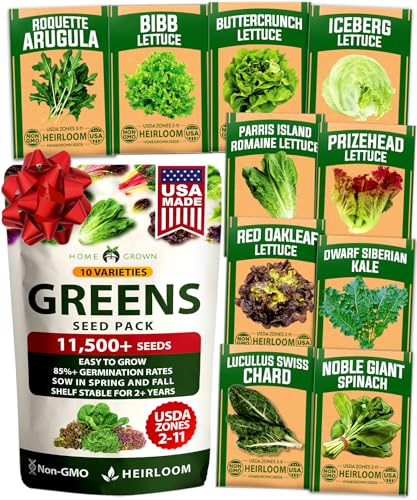
COMPLETE VARIETY PACK: Ten popular lettuce and leafy green varieties; Romaine lettuce seeds, Buttercrunch, Iceberg, Bibb, Red Oakleaf, Prizehead, Kale, Spinach and more; Perfect for organic salad gardens; High 95% germination rate

4 Popular Heirloom Lettuce Varieties: Includes Red Romaine, Bibb Butterhead, Black Seeded Simpson, and Green Ice lettuce seeds to grow crisp, tender, and colorful salad greens with balanced flavor, texture, and visual appeal.
Leaf Lettuce
- Green Leaf: This variety boasts loose, wavy leaves. It presents a tender texture and mild flavor. Green leaf lettuce grows quickly and does well in both nutrient solutions and water.
- Red Leaf: Similar to its green counterpart, red leaf lettuce features deep burgundy leaves. It adds color to dishes while maintaining a sweet, mild taste. This variety also thrives in a water-based environment.
Romaine Lettuce
- Romaine: Known for its sturdy ribs and crisp texture, romaine lettuce is great in salads and sandwiches. It grows well in water, making it a popular choice among hydroponic gardeners. It typically matures within 6-8 weeks.
Butterhead Lettuce
- Butterhead: This variety, often referred to as Boston or Bibb lettuce, features soft, buttery leaves. Its tender texture and rich flavor make it a favorite. Butterhead varieties flourish in hydroponic systems and need ample nutrients and water.
- Oak Leaf: With uniquely shaped leaves reminiscent of oak, this lettuce adds a nice crunch to salads. Oak leaf varieties thrive in water, allowing for continuous harvests.
- Buttercrunch: This lettuce combines the characteristics of butterhead and romaine. It’s crisp, flavorful, and adapts well to water-based growth, resulting in a delightful texture.
Each of these varieties offers unique flavors and textures while thriving in hydroponic systems. Be sure to consider your taste preferences and desired harvest time when selecting your lettuce types for water growth.
Tips For Successful Water Cultivation
Successful water cultivation of lettuce requires attention to specific factors that influence growth. By focusing on nutrient solutions and light requirements, you can optimize your hydroponic system for the best results.
Recommended Products

General Hydroponics pH Control Kit contains everything you need to measure pH levels of your hydroponic grow reservoirs
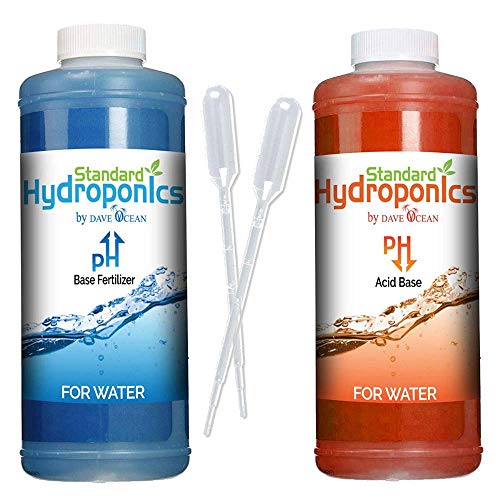
➪ #1 BEST SELLER IN CANADA - STANDARD HYDROPONICS pH Kit For Hydroponic Growing Systems is Critical So You Can Adjust pH To Maximize Plant Growth And Nutrient Up Takes Since Not All Water is The Same Across The Land.

QUICK AND EASY PH FIX: The ph adjuster for plants effectively raises the pH of your nutrient solution. Maintain the ideal pH range of 5.6 – 6.8.
Nutrient Solutions
Choose a balanced nutrient solution designed for hydroponics. Look for one that contains essential nutrients like nitrogen, phosphorus, potassium, calcium, magnesium, and trace minerals. Mix the solution according to package instructions, ensuring correct dilution to avoid nutrient burn.
Refresh the nutrient solution every 1-2 weeks to maintain optimal conditions. Monitor pH levels regularly; a pH range of 5.5 to 6.5 works best for lettuce. If pH levels fluctuate, adjust them with pH up or down solutions.
Consider adding organic additives, such as beneficial microbes, to improve nutrient uptake. Using a TDS (Total Dissolved Solids) meter can help assess the strength of your nutrient solution.
Light Requirements
Provide adequate light for your lettuce to thrive. Lettuce requires 12-16 hours of light each day for optimal growth. Use full-spectrum LED grow lights for the best results, as they simulate natural sunlight.
Position lights 12-24 inches above your plants, adjusting the height as they grow. Monitor plants for signs of stretching or discoloration, which may indicate insufficient light.
In indoor conditions, consider using a timer to automate light cycles. This helps support consistent growth and ensures your plants receive the right amount of light each day. Balancing light and dark cycles mimics natural growing conditions and contributes to overall health.
Conclusion
Growing lettuce in water is not just possible but also a rewarding experience. You can enjoy fresh greens right from your home with the right setup and care. Whether you choose hydroponics or aquaponics, you’ll find that the process is straightforward and efficient.
By selecting the right varieties and providing proper nutrients and light, you’ll be on your way to a thriving indoor garden. Plus with a little automation, you can simplify your routine and ensure your lettuce gets the attention it needs. So why not give it a try? You might just discover a new favorite hobby while enjoying the freshest lettuce possible.
Frequently Asked Questions
What is hydroponics?
Hydroponics is a method of growing plants in a water-based, nutrient-rich solution, without soil. This technique allows for faster growth and space efficiency, making it ideal for indoor gardening.
Which lettuce varieties are best for hydroponics?
Suitable lettuce varieties for hydroponics include Green Leaf, Red Leaf, Romaine, and Butterhead. These types thrive in water cultivation and provide fresh, healthy produce.
How long does it take to harvest lettuce grown hydroponically?
You can expect to harvest hydroponically-grown lettuce in about 4-6 weeks, depending on the lettuce variety and growth conditions.
How do I set up a hydroponic system for lettuce?
To set up a hydroponic system, choose a suitable container, ensure proper drainage, add a nutrient solution, and select a light source. Monitor water levels and maintain ideal temperature and pH for optimal growth.
Why should I choose hydroponics for growing lettuce indoors?
Hydroponics allows for efficient use of space, cleaner harvesting, and quicker growth rates. It also lets you control growing conditions, producing healthier plants year-round, especially in limited spaces.
How does aquaponics differ from hydroponics?
Aquaponics combines hydroponics with aquaculture, using fish waste to provide nutrients for plants while the plants help purify the water for fish. This symbiotic system creates a sustainable ecosystem for growing food.
What light source is best for hydroponically grown lettuce?
Full-spectrum LED grow lights are the best choice for hydroponically grown lettuce as they provide the necessary light spectrum for photosynthesis, promoting healthy growth and development.
How important is pH monitoring in hydroponics?
pH monitoring is crucial in hydroponics as it affects nutrient availability and plant health. Keeping the pH within the optimal range ensures your lettuce absorbs the necessary nutrients effectively.
Can I automate my hydroponic system?
Yes, you can automate your hydroponic system using timers for light cycles and water changes. Automation helps maintain consistent conditions, mimicking natural environments for healthier plant growth.
