

Understanding Frost and Its Impact on Plants
Frost occurs when temperatures drop below freezing point and can have damaging effects on plants, including broccoli.
Here’s how frost can impact plants:
- Cell Damage: Ice crystals form in plant cells, causing them to burst and damage the plant tissue.
- Reduced Nutrient Uptake: Frost can impair the plant’s ability to take up nutrients from the soil.
- Stunted Growth: Frost can slow down or halt plant growth, affecting overall development.
To protect your broccoli plants from frost damage, consider the following tips:
- Cover Your Plants: Use row covers, blankets, or tarps to protect your broccoli from frost.
- Water Your Plants: Moist soil retains more heat, helping to keep plants warmer during frosty nights.
- Plant at the Right Time: Choose a planting time that minimizes the risk of frost damage to your broccoli.
Understanding how frost affects plants can help you take proactive measures to ensure the health and vitality of your broccoli crop.
Factors Affecting Broccoli Plant’s Tolerance to Frost
When it comes to broccoli plants surviving frost, several factors come into play. Understanding these key elements can help you better protect your crops and ensure their resilience in challenging conditions.
- Plant Maturity: Young broccoli plants are more susceptible to frost damage as they have less developed root systems and are more delicate.
- Temperature: Extreme cold temperatures, especially below 28°F (-2°C), can severely impact broccoli plants, leading to cell damage and stunted growth.
- Duration of Exposure: The length of time your broccoli plants are exposed to frost is critical. Prolonged exposure increases the likelihood of significant harm.
- Moisture Levels: Dry soil can exacerbate the effects of frost, making plants more vulnerable. Ensuring proper soil moisture is essential.
- Varietal Differences: Some broccoli varieties exhibit greater cold tolerance than others. Selecting the right type for your area can enhance survivability.
Protecting your broccoli plants involves considering these factors and taking preventative measures to shield your crops from harmful frost.
Techniques to Protect Broccoli Plants from Frost
When it comes to safeguarding your broccoli plants from frost, there are several practical techniques you can implement to minimize damage and ensure their survival:
- Covering: Use row covers, cloches, or frost cloth to shield plants from extreme cold and frost.
- Mulching: Apply a thick layer of mulch around the base of the plants to insulate the soil and regulate temperature.
- Watering: Keep the soil moist but not waterlogged to help plants withstand frost better.
- Plant Location: Choose a planting site that minimizes exposure to frost-prone areas in your garden.
- Cold Frames: Consider using cold frames to provide additional protection to young or vulnerable plants.
By employing these effective protective measures, you can boost your broccoli plants’ resilience against frost and ensure a bountiful harvest.
Signs of Frost Damage on Broccoli Plants
When frost hits your broccoli plants, it leaves behind distinct signs that indicate the damage caused. Spotting these signs early can help you take necessary action to support your plants. Here are a few key indicators of frost damage on broccoli:
- Discolored Leaves: Look out for darkened or blackened leaves on your broccoli plants. This discoloration is a common sign of frost damage and can vary in intensity.
- Wilting and Drooping: Frost-damaged broccoli may exhibit wilting and drooping of leaves and stems. The once upright and healthy appearance may give way to a more limp and lifeless look.
- Brittle Texture: Frost can cause the affected parts of the plant to become brittle. If you notice a sudden change in the texture of your broccoli, it could be a result of frost damage.
- Stunted Growth: Frost-damaged broccoli plants may stop growing or show signs of stunted growth. This can be observed through a noticeable slowdown in development.
Understanding these signs of frost damage on your broccoli plants is crucial for protecting and nurturing them effectively. By identifying these indicators early on, you can better care for your plants and help them recover from any weather-related challenges they may face.
Recommended Products
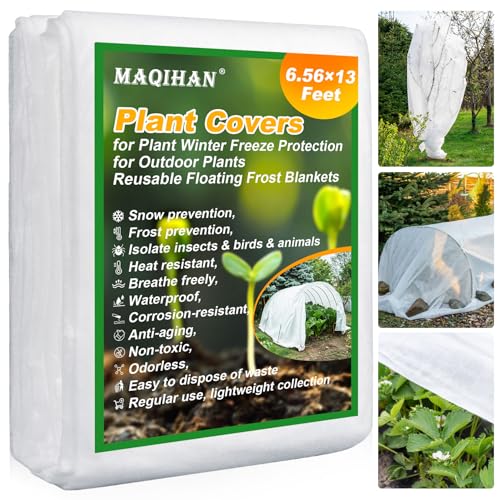
Product Features: Our plant covers are ideal for protecting all plant. Made from premium 1 oz/sq non-woven fabric, their durability and breathability ensuring both insulation against frost and facilitation of sunlight penetration for healthy plant growth
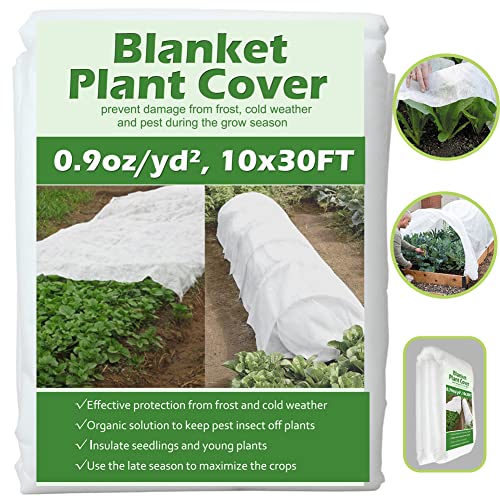
※Big Size to cover large area : The size of our plant cover is 10x30ft, the size can cover large areas. You can cut the plant covers freeze protection into different sizes for different use. You can cover it over the plant such as shrub tomato, pepper, pumpkin, and so on.

THICKER MATERIAL: Our plant freeze protection cover is made of UV stabilized polypropylene. Upgraded thicker 0.9oz./sq.yard lightweight but durable. Soft plant covers are friendly and no harm to your plants. Breathable non-woven fabric allow light, air go through the frost cloths and reach the plants.
Conclusion
Broccoli plants are resilient but susceptible to frost damage. By recognizing the signs early, you can provide the necessary care to help them recover. Monitoring for discolored leaves, wilting, brittle texture, and stunted growth is essential for ensuring the health of your broccoli plants. Remember, prompt action can make a significant difference in their survival and overall well-being. Stay vigilant and attentive to your plants’ needs, especially during colder weather, to help them thrive despite challenging conditions. Your proactive approach can lead to healthier broccoli plants and a more successful gardening experience.
Frequently Asked Questions
How can I identify frost damage on my broccoli plants?
Frost damage on broccoli plants can be identified through signs such as discolored leaves, wilting and drooping, brittle texture, and stunted growth.
Why is it important to recognize frost damage early?
Recognizing frost damage early is crucial as it allows for prompt action and implementation of appropriate recovery strategies to support the health of your broccoli plants.
What should I do if I notice signs of frost damage on my broccoli plants?
If you notice signs of frost damage on your broccoli plants, ensure to protect them from further exposure to cold temperatures and consider implementing measures to help them recover, such as providing additional insulation or adjusting watering routines.
