

Have you ever wondered if that crisp lettuce in your salad is doing more than just adding crunch? You’re not alone. Many people toss lettuce onto their plates thinking it’s just a filler, but it might surprise you to learn that it actually packs some nutritional benefits.
In a world where we’re constantly seeking healthy food options, understanding what’s on your plate is key. This article will explore the nutrients found in lettuce and how they can contribute to your overall health. By the end, you’ll have a clearer picture of whether that leafy green deserves a spot in your meals.
Key Takeaways
- Lettuce is Nutrient-Rich: Contrary to popular belief, lettuce contains essential nutrients such as Vitamin A, K, and folate, enhancing overall health.
- Low-Calorie Hydration: With about 95% water content and only 5 calories per cup, lettuce effectively keeps you hydrated while aiding in weight management.
- Micronutrients Matter: It provides significant daily values of Vitamin A (120%) and Vitamin K (60%), crucial for eye health and blood clotting.
- Nutrient Comparison: While beneficial, lettuce generally offers fewer nutrients compared to other leafy greens like spinach and kale, highlighting the importance of dietary variety.
- Versatile Culinary Uses: Use lettuce in salads, sandwiches, and wraps for added crunch and moisture, complementing it with nutrient-dense toppings for enhanced meals.
- Explore Varieties: Different types of lettuce, like romaine and iceberg, offer unique flavors and textures, making it easy to incorporate into various dishes for nutritional and culinary benefits.
Overview Of Lettuce Nutrients
Lettuce contains various nutrients that contribute to your well-being. Understanding these nutrients helps you appreciate its role beyond a mere salad filler.
Macronutrients In Lettuce
Lettuce primarily consists of water, making up about 95% of its weight. This high water content aids hydration. In terms of macronutrients, lettuce is low in calories, with about 5 calories per cup.
- Carbohydrates: Each cup provides around 1 gram of carbohydrates, mainly in the form of fiber.
- Protein: Lettuce contains about 0.5 grams of protein per cup. While this isn’t significant, it contributes to your daily intake.
- Fat: Lettuce has negligible fat content, usually less than 0.1 grams per cup.
Micronutrients In Lettuce
Lettuce also offers essential vitamins and minerals, enhancing your nutritional profile.
- Vitamin A: It provides about 120% of the daily value per cup, crucial for eye health.
- Vitamin K: Contains around 60% of the daily value, important for bone health and blood clotting.
- Folate: Offers approximately 10% of your daily value, supporting cellular function and tissue growth.
- Vitamin C: While not extremely high, it contributes about 4% of your daily value, helping boost your immune system.
- Potassium: Each cup contains about 150 mg, which assists in regulating blood pressure.
Incorporating lettuce into meals adds more than just crunch; it adds vital nutrients that support overall health.
Health Benefits Of Lettuce
Lettuce offers several health benefits that contribute significantly to your overall well-being. Understanding these can enhance your diet and promote health.
Contribution To Hydration
Lettuce, composed of approximately 95% water, effectively supports hydration. Keeping hydrated helps maintain energy levels, supports temperature regulation, and improves digestion. Including lettuce in salads or wraps not only adds crunch but also boosts your fluid intake. Pairing lettuce with hydrating vegetables like cucumbers or tomatoes amplifies these benefits.
Role In Weight Management
Lettuce is low in calories, making it an excellent choice for weight management. A cup of shredded lettuce contains around 5 to 10 calories. This allows you to fill plates without adding significant calories. Incorporating lettuce into meals and snacks can help you feel fuller with fewer calories. Adding nutrient-dense toppings like lean proteins, beans, or colorful vegetables enhances meals while maintaining low-calorie counts.
Comparing Lettuce With Other Leafy Greens
Lettuce is a great addition to your diet, but comparing it with other leafy greens provides a broader perspective on nutrient diversity.
Nutrient Density Comparison
Lettuce, while low in calories, typically contains fewer essential nutrients compared to other leafy greens. Here’s a comparison:
| Leafy Green | Calories (per 100g) | Vitamin A (% DV) | Vitamin K (% DV) | Iron (% DV) |
|---|---|---|---|---|
| Iceberg Lettuce | 14 | 1 | 6 | 1 |
| Romaine Lettuce | 17 | 148 | 51 | 5 |
| Spinach | 23 | 47 | 482 | 15 |
| Kale | 35 | 206 | 684 | 14 |
Romaine lettuce provides significantly more Vitamin A and K than iceberg. Spinach and kale excel in iron content, delivering considerable daily value percentages. Focus on combining various greens in your meals to maximize nutrient intake.
Culinary Versatility
Lettuce has unique culinary applications but may not match the versatility found in other leafy greens.
- Lettuce: Great for salads, sandwiches, and wraps, providing crunch and moisture.
- Spinach: Works well cooked or raw, blending into smoothies, soups, and pasta dishes.
- Kale: Perfect for salads, smoothies, and as baked chips, offering a robust texture and flavor.
Experiment with different greens to enhance your recipes. Mixing lettuce with spinach and kale in salads not only boosts nutrition but also improves flavor and texture, making meals more enjoyable.
Common Types Of Lettuce
Lettuce comes in various types, each offering unique flavors and textures. Understanding these types helps you choose the best for your meals.
Recommended Products

1 Wrapped Head
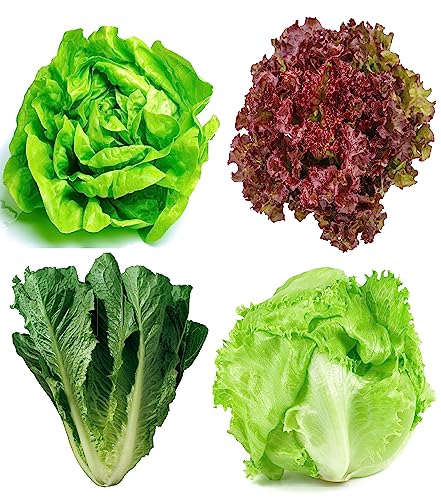
🌿 4 Distinct Heirloom Varieties Includes Iceberg, Buttercrunch, Romaine & Lollo Rosso for a complete salad garden with diverse textures, colors & flavors.
Romaine Lettuce
Romaine lettuce features tall, sturdy leaves with a crisp texture and a rich, slightly bitter flavor. High in vitamins A, C, and K, romaine offers excellent nutritional value. It works great in salads, sandwiches, and wraps. Try a classic Caesar salad for a popular use of romaine, or chop it into a refreshing salad with other veggies.
Iceberg Lettuce
Iceberg lettuce is known for its round shape and crunchy, pale green leaves. While it has a lower nutrient density than other varieties, it provides hydration and a satisfying crunch. Iceberg serves well in burgers and as a base for salads. Consider using it for a classic wedge salad topped with blue cheese dressing for an enjoyable side dish.
Conclusion
Lettuce may not be the most nutrient-dense option out there but it definitely has its perks. It’s a hydrating and low-calorie addition to your meals that can help keep your diet balanced. Incorporating different types of lettuce can add variety to your dishes while still providing essential vitamins and minerals.
So the next time you’re prepping a salad or a wrap remember that even a simple leaf of lettuce can contribute to your overall health. Enjoy experimenting with different greens to make the most of their unique flavors and benefits.
Frequently Asked Questions
What are the nutritional benefits of lettuce?
Lettuce is low in calories and high in water content, making it excellent for hydration. It provides essential nutrients like vitamins A, C, and K, which support overall health, energy, and digestion.
How does lettuce help with hydration?
Lettuce is composed of around 95% water, which aids in maintaining hydration levels in your body. Including it in your meals contributes to your daily fluid intake.
Why should I include lettuce in my diet for weight management?
Lettuce is low in calories and high in volume, helping you feel full without consuming too many calories. This makes it a great addition to weight management plans.
How does the nutrient density of lettuce compare to other leafy greens?
While lettuce offers a range of nutrients, other leafy greens like spinach and kale are often more nutrient-dense. Combining different greens can enhance the overall nutritional value of your meals.
What are the common types of lettuce?
Common types of lettuce include Romaine, which is crunchy and packed with vitamins A, C, and K, great for salads and wraps, and Iceberg, known for its crisp texture and hydrating properties, making it perfect for burgers and salads.
