

Have you ever looked at your lettuce seedlings and wondered why they’re drooping over? It’s a frustrating sight for any gardener, especially when you’ve put so much effort into nurturing them. You’re not alone in this; many new and seasoned gardeners face this issue.
Key Takeaways
- Understand Growth Stages: Recognize the key growth stages of lettuce seedlings (germination, cotyledon development, true leaf formation, establishment phase) to identify problems effectively.
- Optimal Conditions Are Crucial: Ensure your seedlings receive 12-16 hours of light, maintain appropriate temperatures (60°F-70°F), and use well-draining soil to support healthy growth.
- Water Management: Balance watering by keeping soil consistently moist, avoiding overwatering, and addressing underwatering to prevent drooping.
- Nutrient Awareness: Monitor for nutrient deficiencies, particularly nitrogen, and use balanced fertilizers to promote strong and healthy seedlings.
- Pest Control: Regularly inspect seedlings for pests like aphids and spider mites, and take action using organic methods to protect your plants.
- Immediate Action for Drooping Seedlings: Assess damage, determine causes (overwatering, underwatering, nutrient deficiency), and implement replanting techniques if necessary to recover weak seedlings.
Understanding Lettuce Seedling Growth
Lettuce seedlings experience specific growth stages that impact their overall health. Recognizing these stages helps you identify why your seedlings may be falling over.
Common Stages of Lettuce Seedlings
- Germination: This initial stage occurs 7 to 14 days after planting seeds. Seeds absorb moisture and swell before sprouting.
- Cotyledon Development: Once seedlings sprout, they develop cotyledons, or seed leaves. These leaves provide early nutrition and support growth.
- True Leaf Formation: True leaves appear after cotyledons. These leaves resemble adult lettuce and are essential for photosynthesis and growth.
- Establishment Phase: At this stage, seedlings expand roots and leaves. Healthy roots anchor the plant and bolster its ability to absorb nutrients and water.
Ideal Growing Conditions
Providing optimal growing conditions ensures your lettuce seedlings thrive. Consider the following factors:
- Light: Seedlings need 12 to 16 hours of light daily. Use grow lights or place them in bright, indirect sunlight.
- Temperature: Maintain temperatures between 60°F and 70°F during the day. Cooler nights between 50°F and 65°F promote strong growth.
- Soil Quality: Use a well-draining seed-starting mix with plenty of organic matter. Avoid compacted soil which can stifle root development.
- Watering: Keep soil consistently moist but not soggy. Overwatering can lead to rot, causing seedlings to fall over.
By understanding the growth stages and ideal conditions, you can better maintain your lettuce seedlings and reduce the risk of drooping.
Factors Causing Lettuce Seedlings to Fall Over
Several factors contribute to lettuce seedlings falling over. Understanding these causes helps you take corrective measures to nurture healthy plants.
Recommended Products

🥬 CRAFTED FOR ALL LETTUCE VARIETIES – Gardenera LIQUID POWER Lettuce Fertilizer is specially formulated to support rapid leaf development, crisp texture, and vibrant green color in romaine, butterhead, iceberg, red leaf, and loose-leaf lettuces.

Made for Nitrogen Support – Formulated to supply nitrogen for essential plant nutrition.

MasterBlend Lettuce Fertilizer Formula by PowerGrow Systems is fully Water Soluble
Overwatering
Overwatering leads to waterlogged soil, suffocating the roots. Roots need oxygen for healthy growth. When they can’t breathe, seedlings become weak and droop. To prevent overwatering, check soil moisture before watering. Only water when the top inch feels dry.
Underwatering
Underwatering causes stress, making seedlings weak and prone to falling over. Lettuce requires consistent moisture, especially during germination and early growth. Use a moisture meter or your finger to feel the soil’s dampness. Water your seedlings when the soil feels dry about an inch down.
Nutrient Deficiency
Nutrient deficiency, particularly in nitrogen, affects seedling strength. Nitrogen is vital for leafy growth, and a lack of it causes seedlings to become spindly. Use a balanced fertilizer specifically designed for young plants. Apply it according to package instructions to avoid burning the roots.
Pest Infestation
Pest infestation can significantly weaken seedlings. Look for pests like aphids and spider mites, which suck the life from your plants. Regularly inspect the seedlings for signs of pests. Use organic insecticidal soap to manage infestations and protect your seedlings. Keep your growing area clean to minimize pest attraction.
Preventative Measures
You can take several preventative measures to keep your lettuce seedlings standing tall and healthy. Proper care helps avoid common issues that lead to drooping.
Recommended Products

Tired of replacing supports as your plants grow? Our indoor plant support stakes feature a removable, stackable design, with each support measuring 11 inches. Placing one stake on top of another allows you to extend their height as your plants grow, making them ideal for seedlings, monstera plant support, climbing vines, and tall stems. They provide strong stem support without bending or breaking.

ONE BOX TO RULE THEM ALL: You’ll get 16 reusable Plant Stem Supports in 4 handy sizes (5.31", 4.6", 3.07", and 2.32")—with 4 of each. From tiny sprouts to towering vines, these plant stem holders for indoor plants keep everything in perfect, leafy order.

Protection Function: The raised garden bed plant protectors quickly create a closed space that protects the plants from insects, birds and animals, while also allowing sunlight air and moisture to enter, and providing a healthy environment for plant growth.
Proper Watering Techniques
Ensure consistent moisture without oversaturation. Water seedlings when the top inch of soil feels dry. Use a spray bottle or watering can with a fine spout for gentle watering. This approach prevents disturbing delicate roots while providing adequate hydration. Monitor drainage; ensure pots or trays have holes to let excess water escape, reducing the risk of root rot.
Soil Quality and Nutrient Management
Utilize high-quality, well-draining soil to support healthy growth. A mix of potting soil and compost provides essential nutrients. Fertilize lightly; organic fertilizers or balanced NPK formulas work well. Over-fertilization can harm seedlings, so follow package instructions closely. Regularly check for nutrient deficiencies; signs like yellowing leaves indicate the need for nitrogen or other nutrients.
Optimal Light Conditions
Provide ample light without burning your seedlings. Aim for 12-16 hours of light daily using grow lights or placing seedlings near south-facing windows. If using grow lights, keep them 2-4 inches above seedlings, adjusting as they grow. Monitor for signs of leggy growth, which indicate insufficient light. If seedlings start to stretch towards the light, increase exposure to promote strong, upright growth.
What To Do If Your Seedlings Are Falling Over
If your lettuce seedlings are falling over, taking immediate action can promote recovery and healthy growth. Follow these steps to assess the situation and implement effective strategies.
Recommended Products

🌱 COMPLETE 10-PIECE KIT — Everything you need to start seeds in one box: 10 biodegradable peat pots, 10 expandable coco coir soil discs, and 10 plant markers. Just add water and sow — no extra supplies needed for herbs, vegetables, or flowers.

ALL-NATURAL COMPOST MATERIALS- Premium ingredients such as pine bark, composted peat moss, mycorrhizae, worm castings, perlite, sand, and coco coir husk
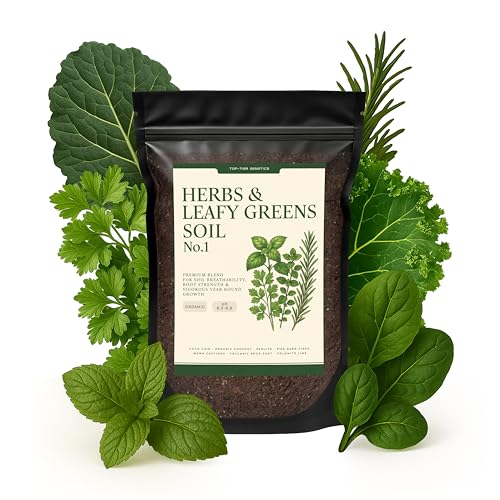
✔ VERSATILE BLEND: Premium potting mix specifically formulated for growing herbs and leafy greens indoors with optimal drainage and aeration
Assessing the Damage
First, closely examine your seedlings. Check for signs of wilting, discoloration, or soft stems. These symptoms indicate distress. Identify if the cause stems from overwatering, underwatering, or nutrient deficiencies.
- Overwatering: If the soil feels constantly wet, roots may suffocate. Look for yellowing leaves as a sign.
- Underwatering: Dry soil and crispy leaves indicate insufficient moisture. Seedlings may droop as they lack hydration.
- Nutrient Deficiency: Light green leaves may signal a lack of nitrogen. Fertilization can help replenish nutrients.
Evaluating these factors helps determine the necessary response.
Replanting Techniques
If your seedlings are severely damaged, replanting might be necessary. Follow these steps for a successful replant:
- Prepare New Soil: Use a well-draining potting mix rich in nutrients. This provides a healthy foundation for growth.
- Gently Remove Seedlings: Carefully take the seedlings out of their current container. Minimize disturbance to the roots.
- Inspect Roots: Trim away any damaged or rotten roots using clean scissors. Healthy roots should be firm and white.
- Create Holes in New Soil: Make small holes with your fingers or a pencil to accommodate the seedlings.
- Plant Firmly: Place the seedlings into the holes and cover the roots with soil. Ensure they’re planted at the same depth as before.
- Water Thoroughly: Give the newly planted seedlings a good soak to settle the soil around the roots.
Implement these techniques to help your seedlings regain strength and stability. Following these steps promotes upright growth and healthier seedlings.
Conclusion
Taking care of your lettuce seedlings can be a rewarding experience. By keeping an eye on watering habits and ensuring they get the right nutrients you can help them stand tall and thrive. If you notice them drooping don’t hesitate to take action. Replanting and adjusting care can make all the difference.
With a little patience and attention you’ll soon enjoy a robust crop of lettuce. Happy gardening and may your seedlings grow strong and healthy!
Frequently Asked Questions
What causes lettuce seedlings to fall over?
Lettuce seedlings can fall over due to various factors, including overwatering, underwatering, nutrient deficiency, and pest infestations. Each of these issues can weaken the root system or the stems, causing the seedlings to become unstable and droop.
How can I tell if my seedlings are overwatered or underwatered?
To check for overwatering, look for yellowing leaves and soggy soil. For underwatering, leaves may become crispy or wilted. Assess the soil moisture by sticking your finger into the soil; it should feel moist but not soggy.
What should I do if my seedlings are drooping?
Assess your seedlings for signs of overwatering, underwatering, or nutrient deficiency. If necessary, adjust your watering schedule, provide appropriate nutrients, and check for pests that might be affecting growth.
How can I replant damaged lettuce seedlings?
To replant damaged lettuce seedlings, gently remove them from their current location, taking care not to damage the roots. Use nutrient-rich soil, ensure proper placement, and water thoroughly to help the seedlings recover and promote healthy growth.
What type of soil is best for lettuce seedlings?
The best soil for lettuce seedlings is nutrient-rich and well-draining. A mix of potting soil combined with compost works well, as it provides essential nutrients and maintains good moisture levels without becoming waterlogged.
