

Have you ever thought about growing your own lettuce but felt unsure if it’s too complicated? You’re not alone. Many people dream of a fresh salad straight from their garden but worry about the time and effort it takes to grow greens.
The good news is that lettuce is one of the easiest vegetables to cultivate, even for beginners. In this article, you’ll discover simple tips and tricks to help you grow crisp, delicious lettuce right at home. Whether you have a sprawling garden or just a small balcony, you’ll find out how to enjoy the perks of homegrown greens in no time.
Key Takeaways
- Lettuce is easy to grow, making it an excellent choice for beginners and those with limited gardening experience.
- There are several lettuce varieties, including Romaine, Butterhead, Leaf, Iceberg, and Batavia, each offering unique flavors and growth characteristics.
- Optimal growing conditions for lettuce include well-draining soil with a pH of 6.0 to 7.0, at least six hours of sunlight, and temperatures between 55°F and 70°F.
- Regular watering, pest management, and proper care are essential for promoting healthy lettuce growth and achieving a bountiful harvest.
- Timing your harvest based on the specific variety ensures the best flavor and texture; harvesting in the morning is recommended for maximum freshness.
- Correct storage methods, such as rinsing, drying, wrapping in a damp towel, and refrigerating, help maintain the crispness and flavor of harvested lettuce.
Understanding Lettuce Varieties
Lettuce comes in various types, each with distinct flavors and textures. Understanding these varieties helps you choose the right one for your garden.
Types of Lettuce
- Romaine
Romaine lettuce has long, sturdy leaves with a crispy texture. It’s perfect for salads and adds crunch to sandwiches. - Butterhead
Butterhead varieties, like Boston and Bibb, feature soft, tender leaves. They are known for their sweet flavor and smooth texture, ideal for wraps. - Leaf Lettuce
Leaf lettuce, available in green or red, offers loose leaves with a mild taste. It grows quickly and works well in salads and garnishes. - Iceberg
Iceberg lettuce is dense and crunchy. Often used in salads, it has a higher water content and a mild flavor, making it refreshing. - Batavia
Batavia, or French Crisp, combines the crunchy characteristics of iceberg with the tender qualities of butterhead. It has a beautiful color and holds up well in salads.
- Butterhead
Butterhead is forgiving and grows well in various conditions. Choose this variety for an easy start. - Leaf Lettuce
Leaf lettuce is fast-growing and can be harvested multiple times throughout the season. It’s user-friendly for beginners. - Romaine
Romaine is another solid choice. It’s resistant to bolting and provides a steady yield, giving you a good return on your efforts. - Mixes
Pre-packed mixed greens often contain beginner-friendly varieties. These mixes allow for a diverse harvest with minimal effort. - Compact Varieties
Compact lettuce varieties, such as ‘Little Gem’, require less space and can thrive in small gardens or containers, perfect for beginners.
Selecting the right varieties simplifies the growing process and leads to a successful harvest of delicious lettuce.
Growing Conditions for Lettuce
Lettuce thrives under specific conditions that support its growth and flavor. Understanding these factors helps you cultivate a healthy and abundant harvest.
Recommended Products

HELPS REGULATE SOIL MOISTURE: Miracle-Gro Organic Indoor Potting Soil Mix is an organic potting soil that protects indoor plants against over and under watering
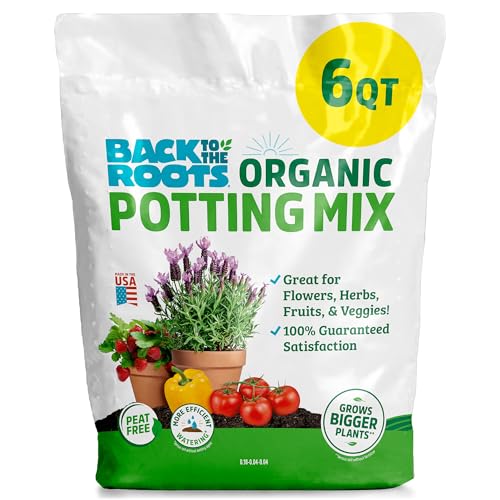
Includes 6qt of Back to the Roots Premium Blend Potting Mix. 100% Organic and Peat-Free, made from upcycled plant matter and wood fines from across the U.S. No imported peat, just better soil with a lighter carbon footprint.
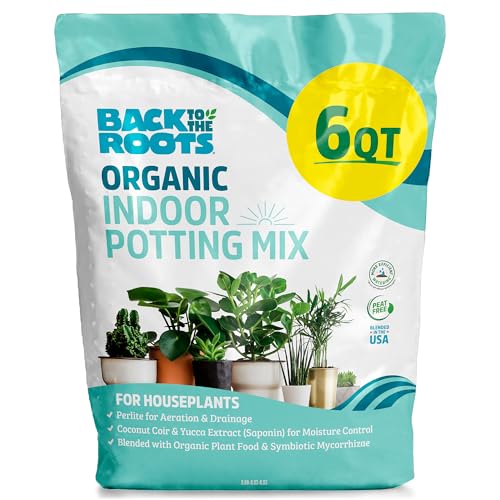
Includes 6qt of Back to the Roots Indoor Potting Mix. Our Potting Mix contains organic yucca extract that aids in retaining moisture in the soil which keeps your indoor plants happy and healthy
Soil Requirements
Lettuce prefers well-draining, loose soil rich in organic matter. Aim for a pH between 6.0 and 7.0. Amending soil with compost boosts nutrient levels and improves aeration. For best results, consider using raised beds or containers with potting soil designed for vegetables.
Sunlight and Temperature Needs
Lettuce prefers full sun, needing at least six hours of direct sunlight daily. In hotter climates, partial shade during the hottest part of the day helps prevent bolting. Optimal temperatures for growing lettuce range from 55°F to 70°F. Temperatures above 75°F can lead to a bitter taste and early flowering. If you live in a warmer area, planting heat-tolerant varieties can boost success.
Step-by-Step Guide to Planting Lettuce
Planting lettuce is straightforward and enjoyable. Follow these steps to ensure a successful harvest.
Recommended Products

We grow a variety of edible seasonal seedlings (aka plugs/starts/transplants) that will flourish in your soil or hydroponic garden.

Indoor Garden Seed Starter Trays – Kimdozee seedling trays feature 120 cells (1.97" x 1.97" x 1.97"), perfectly sized for starting herbs, vegetables, flowers, succulents, and microgreens.

Pro Grow Lights with Advanced Chips: Equipped with 56 high-efficiency beads per tray, these LED strips simulate natural sunlight for optimal seedling growth. Adjustable brightness and timer functions let you customize lighting for every plant stage, promoting faster, healthier growth—perfect for herbs, flowers, and more
Choosing the Right Location
Select a spot that receives full sun for at least six hours daily. Look for well-draining soil that’s rich in organic matter. Test the pH; it should range from 6.0 to 7.0. If your soil is heavier, consider raised beds or containers to improve drainage and growth.
Sowing Seeds or Transplanting
Decide between sowing seeds directly in the ground or transplanting seedlings. If you choose seeds, plant them about ¼ to ½ inch deep, spacing them approximately 6 to 12 inches apart. Water gently to keep the soil moist. For transplanting, ensure the seedlings are sturdy and about 3 to 4 weeks old. Place them 12 to 18 inches apart to allow for growth. Water thoroughly after planting to help roots establish.
Care Tips for Healthy Lettuce
Caring for lettuce involves specific practices to ensure vibrant growth and a bountiful harvest. Follow these tips to manage watering and address potential pests and diseases effectively.
Recommended Products

Complete Lettuce Garden Starter Kit Indoor – 5 heirloom salad and green seed packets, 8 biodegradable soil disks, 8 plant markers, and 8 starter pots. Romaine, Spinach, Arugula, Kale and Buttercrunch lettuce heirloom seeds are the star of the set!


PATENTED SMART HYDROPONIC SYSTEM: Take your indoor gardening to the next level with our patented smart hydroponic system, featuring the exclusive LetPot app. With just a few taps on your phone, you can effortlessly adjust the 0-24 hours LED lighting schedule to provide your plants with the perfect amount of light and precies on/off time. Our innovative reminder system also ensures you never forget to water your plants again, making growing healthy and vibrant plants easier than ever before.
Watering Requirements
Water deeply and consistently to promote healthy root development. Aim for about 1 to 1.5 inches of water per week. Watering may increase during hot spells. Try to water in the morning to minimize evaporation. Monitor the soil moisture: if the top inch feels dry, it’s time to water. Adjust frequency based on rainfall and humidity levels. Use mulch around plants to retain moisture and regulate soil temperature.
Pest and Disease Management
Inspect your lettuce regularly for pests like aphids and slugs. Encourage beneficial insects like ladybugs to help control pest populations. Use organic pest control methods, such as neem oil or insecticidal soap, if necessary. Remove infected leaves promptly to stop the spread of diseases like downy mildew and lettuce mosaic virus. Practice crop rotation each season to prevent build-up of soil-borne pathogens. Maintain good airflow between plants to reduce humidity, which helps prevent fungal diseases.
Harvesting and Storing Lettuce
Harvesting lettuce at the right time ensures the best flavor and texture. You can enjoy fresh lettuce by following these simple guidelines.
When to Harvest
Harvest lettuce when the leaves are crisp and vibrant. For most varieties, look for the following signs:
- Leaf Lettuce: Ready to pick about 30 to 45 days after sowing, once the leaves reach a desirable size.
- Romaine: Best harvested around 70 to 75 days after planting when leaves are firm and upright.
- Butterhead: Harvest when the heads feel full but before they start to bolt, typically about 55 to 70 days after planting.
Pick early in the morning for maximum freshness. Use a sharp knife to cut the leaves or the entire head, leaving a few outer leaves to allow for potential regrowth.
Tips for Storing Fresh Lettuce
Storing lettuce correctly maintains its crispness and flavor. Here are effective strategies:
- Rinse: Gently wash leaves in cold water to remove dirt and debris, but avoid soaking.
- Dry: Use a salad spinner to remove excess water or pat leaves dry with a clean towel.
- Wrap: Wrap the dried lettuce in a damp paper towel to keep it hydrated without sogginess.
- Store: Place the wrapped lettuce inside a plastic bag or airtight container in the fridge’s crisper drawer.
Check your stored lettuce every few days. Discard any leaves showing signs of decay to prevent spoilage.
Conclusion
Growing lettuce can be a rewarding experience that fits perfectly into your gardening journey. With just a bit of attention to detail and care you can enjoy fresh crisp leaves right from your garden. Whether you choose to start from seeds or seedlings the satisfaction of harvesting your own lettuce is unbeatable.
Don’t forget to keep an eye on watering and pest management to ensure a healthy crop. With the right conditions and practices you’ll find that lettuce isn’t just easy to grow but also a delightful addition to your meals. So grab your gardening tools and get started on your lettuce adventure!
Frequently Asked Questions
What types of lettuce are best for beginners?
Romaine, Butterhead, and Leaf Lettuce are excellent choices for beginners. These varieties are relatively easy to grow, offering unique flavors and textures. They thrive in various conditions and can be harvested at different times, making them perfect for new gardeners.
What growing conditions do lettuce require?
Lettuce grows best in well-draining soil and needs full sun exposure for optimal growth. Ideal temperatures range between 60°F to 70°F. Ensuring these conditions will help you achieve a successful lettuce garden.
How do I plant lettuce?
To plant lettuce, choose a sunny location and prepare well-draining soil enriched with organic matter. You can sow seeds directly into the soil or transplant seedlings. Ensure proper spacing and water the plants consistently as they grow.
How should I care for my lettuce?
Caring for lettuce involves regular deep watering, managing pests like aphids and slugs using organic control methods, and preventing diseases by removing infected leaves and practicing crop rotation. This will help your lettuce thrive.
When should I harvest lettuce?
Harvest lettuce when the leaves are crisp and before they bolt (go to seed). The timing varies by variety; generally, you can expect to harvest within 30 to 70 days after planting, depending on the type of lettuce.
How do I store fresh lettuce?
To maintain its crispness and flavor, store fresh lettuce in the refrigerator wrapped in a damp paper towel and placed in a breathable container or plastic bag. This method helps keep it fresh for up to a week.
