

Have you ever wondered if you can enjoy a fresh salad while managing kidney disease? You’re not alone. Many people face the challenge of balancing their love for certain foods with dietary restrictions that come with health conditions.
Lettuce is often seen as a go-to for healthy eating, but when it comes to kidney health, things can get a bit tricky. In this article, you’ll find out whether lettuce fits into your diet and how it can affect your health. Understanding what you can eat is essential for feeling your best and enjoying meals you love. Let’s explore this topic together and help you make informed choices for your plate.
Key Takeaways
- Consider Your Kidney Condition: Different types of kidney disease may require specific dietary adjustments; consult your healthcare provider for personalized guidance.
- Lettuce Can Be Included: Lettuce is generally safe for kidney patients when eaten in moderation, particularly varieties like iceberg that are lower in potassium.
- Monitor Key Nutrients: Keep track of sodium, potassium, phosphorus, and protein intake to support kidney function and overall health.
- Stay Hydrated: High water content in lettuce aids hydration, which is beneficial for kidney function, but be cautious with fluid intake if required.
- Preparation Matters: Thoroughly wash and prepare lettuce to eliminate contaminants, ensuring a safer option for your diet.
- Portion Control is Key: Avoid consuming large amounts of lettuce at once to prevent excessive potassium intake; discuss portion sizes with your healthcare provider.
Understanding Kidney Disease
Kidney disease affects how well your kidneys function, which can impact overall health. Knowing the types and symptoms of kidney disease helps you make informed dietary choices.
Types of Kidney Disease
- Chronic Kidney Disease (CKD): This condition progresses slowly over time. It often results from diabetes or high blood pressure. CKD can lead to kidney failure if untreated.
- Acute Kidney Injury (AKI): AKI occurs suddenly, usually after an illness, medication, or injury. Recovery is possible, but it requires prompt medical attention.
- Polycystic Kidney Disease (PKD): PKD is an inherited disorder characterized by fluid-filled cysts forming in the kidneys. Symptoms may not appear until adulthood.
- Glomerulonephritis: This condition involves inflammation of the kidney’s filtering units. It can result from infections, autoimmune diseases, or other underlying conditions.
- Fatigue: Low energy levels often signal reduced kidney function.
- Swelling: You might notice swelling in your legs, ankles, or around your eyes—this results from fluid retention.
- Changes in Urination: You may experience increased frequency, urgency, or changes in urine color or consistency.
- Nausea and Vomiting: Accumulation of waste products in the body can lead to digestive issues, including nausea.
- High Blood Pressure: Kidneys play a crucial role in regulating blood pressure. Issues with kidney function can contribute to hypertension.
Understanding these types and symptoms empowers you to seek help and make dietary adjustments for better management of your health.
Nutritional Considerations for Kidney Health
Managing kidney health includes understanding dietary choices. Eating the right foods can support kidney function and overall health.
Recommended Products

STRONG MAGNET, BUILT TO LAST — Heavy-duty magnet grips the fridge and won't slip; waterproof and humidity-resistant so it holds up in a busy kitchen.

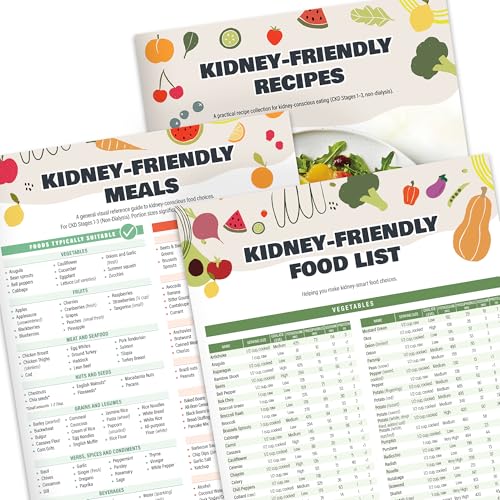
SET OF 3 LAMINATED KIDNEY CHARTS: Three charts covering 600+ kidney-friendly foods - a food chart that rates 430+ of them for 5 nutrients, a foods to avoid and foods to eat guide, and a 28-recipe chart - all you need to plan CKD meals.
Importance of Diet in Kidney Disease
Diet plays a crucial role in managing kidney disease. It affects how well your kidneys function and how your body processes nutrients. A balanced diet helps control blood pressure, reduces the risk of complications, and supports overall well-being. People with kidney disease often need to adjust their diets to avoid high levels of waste products in the blood. This adjustment can mean limiting certain nutrients and increasing others that support kidney function.
Key Nutrients to Monitor
When managing kidney disease, focus on these key nutrients:
- Sodium: Limit sodium intake to reduce blood pressure and fluid retention. Aim for less than 2,300 mg of sodium daily.
- Potassium: Monitor potassium levels, as high potassium can lead to heart problems. Choose low-potassium foods, especially if your doctor recommends it.
- Phosphorus: Keep an eye on phosphorus to prevent bone disease. Limit processed foods and high-phosphorus items, such as nuts and certain dairy products.
- Protein: Balance protein intake. Excessive protein intake can burden your kidneys. Work with a healthcare provider to determine the right amount for you.
- Fluid: Control fluid intake if necessary. This helps prevent swelling and high blood pressure.
Understanding these nutrients can help you make informed food choices, contributing to better kidney health and overall wellness.
Can You Eat Lettuce with Kidney Disease?
You can include lettuce in your diet if you have kidney disease, but it’s crucial to choose the right type and monitor your intake. Lettuce has a relatively low potassium level, making it a suitable option when eaten in moderation.
Nutritional Profile of Lettuce
Lettuce is low in calories and contains essential vitamins and minerals. Here are key nutrients found in various types of lettuce:
- Water Content: Lettuce is about 95% water, which helps with hydration.
- Vitamins: It contains vitamins A, C, and K, which support overall health.
- Minerals: It offers small amounts of potassium and calcium.
- Fiber: Lettuce provides dietary fiber, aiding in digestion.
Adjusting your choices based on the type of lettuce can also make a difference. For example, romaine has a higher potassium level compared to iceberg. Knowing this helps in making informed choices.
Potential Benefits of Lettuce for Kidney Patients
Lettuce provides several benefits that can support kidney health:
- Hydration Support: Due to its high water content, lettuce contributes to hydration, which can aid kidney function.
- Low Caloric Density: Eating lettuce helps maintain weight without high-calorie intake.
- Rich in Antioxidants: Lettuce contains antioxidants that combat oxidative stress, potentially benefiting kidney function.
- Digestive Health: The fiber content promotes regular bowel movements and can help manage gastrointestinal issues commonly faced by kidney patients.
When considering lettuce in your diet, opt for fresh, organic varieties when possible. Always consult your healthcare provider before making significant dietary changes.
Risks and Precautions
Monitoring the dietary choices becomes essential when managing kidney disease. Lettuce can offer benefits, but there are certain risks and precautions to keep in mind.
High Potassium Levels in Lettuce
Certain types of lettuce contain higher potassium levels, which can be problematic for individuals with kidney disease. For example, butterhead and romaine lettuce tend to have more potassium than iceberg lettuce. Elevated potassium levels can lead to hyperkalemia, a condition that can cause heart issues if not managed properly. It’s crucial to check potassium content and choose the right type of lettuce. Always consult with your healthcare provider about your specific potassium limits to ensure you’re making safe choices.
Preparing Lettuce for Safety
Washing lettuce thoroughly can help eliminate pesticides and contaminants, making it safer to consume. Here’s a simple process:
- Rinse lettuce under cold running water.
- Remove any damaged or wilted leaves.
- Pat dry with a clean paper towel or salad spinner.
Avoid consuming large amounts at once. Portion control helps minimize any potential risks related to potassium intake. If unsure about how much to include in your diet, consult your healthcare provider for personalized guidance. Keeping your diet balanced and informed can support your kidney health effectively.
Conclusion
Eating lettuce with kidney disease can be a healthy choice when you’re mindful of your options. Remember to pay attention to the type of lettuce you choose and its potassium content.
Incorporating lettuce into your meals can provide hydration and essential nutrients while keeping calories low. Just be sure to wash it thoroughly and consult with your healthcare provider for tailored advice.
With a little care and knowledge you can enjoy lettuce as part of a balanced diet that supports your kidney health.
Frequently Asked Questions
What is the role of diet in kidney health?
Diet plays a crucial role in managing kidney health by providing essential nutrients that support kidney function and overall well-being. Monitoring sodium, potassium, phosphorus, protein, and fluid intake can help prevent complications and maintain optimal kidney performance.
Is lettuce good for kidney health?
Yes, lettuce can be beneficial for kidney health due to its low potassium levels, high water content, and low caloric density. It also contains antioxidants that support overall health. However, certain types of lettuce may have higher potassium, so it’s essential to choose wisely.
Which types of lettuce should I avoid if I have kidney disease?
Individuals with kidney disease should avoid high-potassium lettuces, such as butterhead and romaine. Always check the potassium content and opt for lower potassium varieties like iceberg or leaf lettuce to manage potassium levels effectively.
How can I incorporate lettuce into my diet safely?
To safely incorporate lettuce into your diet, choose low-potassium varieties, practice portion control, and wash it thoroughly to remove contaminants. It’s also advisable to consult your healthcare provider for personalized dietary recommendations based on your condition.
What precautions should I take when eating lettuce?
When consuming lettuce, be cautious of its potassium content, especially with kidney disease. Always wash the lettuce thoroughly, monitor portion sizes, and consult with your healthcare provider to ensure it fits into your overall dietary plan.
