

Have you ever wandered into your garden only to find your beloved lettuce plants nibbled on? If so, you might be wondering if rats are the culprits. It’s a common concern for many gardeners. Lettuce is a favorite snack for various pests, and knowing who’s feasting on your plants can save you a lot of frustration.
In this article, you’ll learn whether rats really do have a taste for lettuce and what you can do to protect your garden. Understanding their eating habits can help you take the right steps to keep those pesky rodents at bay. Let’s explore the relationship between rats and your leafy greens so you can enjoy a thriving garden once again.
Key Takeaways
- Rats are Opportunistic Feeders: Rats consume a variety of foods, including fruits, grains, seeds, nuts, and vegetables like lettuce, making them a common pest in gardens.
- Lettuce Types Preferred by Rats: Iceberg, romaine, butterhead, and leaf lettuce are particularly appealing to rats due to their texture and water content.
- Nutritional Impact: While lettuce provides hydration, it lacks essential protein and high energy content, making it insufficient as a primary food source for rats.
- Effective Protective Measures: Use fencing, natural repellents, traps, and cleanliness to deter rats from accessing your garden and protect your lettuce plants.
- Companion Planting and Decoy Foods: Incorporate strong-scented herbs and offer alternative foods away from crops to distract rats and safeguard your lettuce.
- Regular Monitoring is Key: Daily garden checks can help identify early signs of rat activity, allowing for timely interventions to prevent damage.
Understanding Rat Diets
Rats are opportunistic feeders that consume a wide variety of foods. Understanding their diet helps you protect your lettuce plants effectively.
Common Foods Rats Consume
Rats enjoy a diverse range of foods, including:
- Fruits: Apples, bananas, and berries attract rats due to their sweetness.
- Vegetables: They nibble on carrots, tomatoes, and, yes, lettuce.
- Grains: Rice, pasta, and bread appeal significantly to their hungry appetites.
- Seeds and Nuts: Sunflower seeds and peanuts are major favorites.
- Pet Food: Dry pet food provides a nutritious option easily accessible in many households.
Rats often seek food sources that offer easy access. Guarding your garden means recognizing these favorites.
Nutritional Needs of Rats
Rats require various nutrients to stay healthy, which leads them to forage constantly. Key nutritional components include:
- Proteins: Essential for growth and repair, rats often find protein in grains and meat scraps.
- Carbohydrates: A primary energy source, carbohydrates come from fruits and grains.
- Vitamins: They benefit from vitamins found in vegetables and fruits, promoting overall health.
- Minerals: Calcium and phosphorus support bone health, found in nuts and seeds.
Rats’ nutritional needs drive them to raid gardens where fresh produce like lettuce is readily available.
Do Rats Eat Lettuce Plants?
Rats often nibble on various garden plants, including lettuce. Understanding their preferences can help protect your vegetable patch.
Recommended Products

Tomcat Repellents Rodent Repellent Granules prevents rodent entry, nesting, and foraging outdoors

Naturally repel rodents from your yard, garden and garage with Rat Magic by Bonide! Rat Magic uses natural repellents to drive away mice, chipmunks, squirrels, rats and more.

STOPS DAMAGE FAST – Contains powerful ingredients that prevent squirrels from chewing & gnawing on wires, plants, outdoor furniture, and more
Types of Lettuce Rats May Eat
Rats tend to enjoy several types of lettuce:
- Iceberg Lettuce: This variety has a crispy texture and high water content, making it appealing.
- Romaine Lettuce: Rats like its sturdy leaves and slightly earthy taste.
- Butterhead Lettuce: The soft leaves attract rats due to their tenderness and mild flavor.
- Leaf Lettuce: Its delicate texture and ease of access attract rats as they forage.
All these varieties can become targets for rats, so consider protective measures around your garden.
Impact of Lettuce on Rat Health
Lettuce provides hydration and some essential nutrients for rats. However, it lacks protein and high energy content. Here’s how it affects their health:
- Hydration: Lettuce helps keep rats hydrated due to its high water content.
- Low Calories: Rats receive lower energy from lettuce, which may prompt them to seek other food sources for more calories.
- Nutritional Balance: While lettuce offers minimal vitamins, a diet primarily consisting of it may lead to nutritional deficiencies.
Make sure to monitor your garden to prevent high rat populations, as they can damage other plants while seeking sustenance.
Preventing Rats from Eating Your Lettuce
Preventing rats from enjoying your lettuce requires a strategic approach. Implementing effective deterrents and safe alternatives helps protect your garden.
Recommended Products

【Motion-Activated Detect】Our advanced PIR motion sensor detects animal movement and instantly emits variable-frequency ultrasonic waves paired with a flashing LED strobe to create an unwelcoming environment for deer, raccoons, dogs, and other intruders
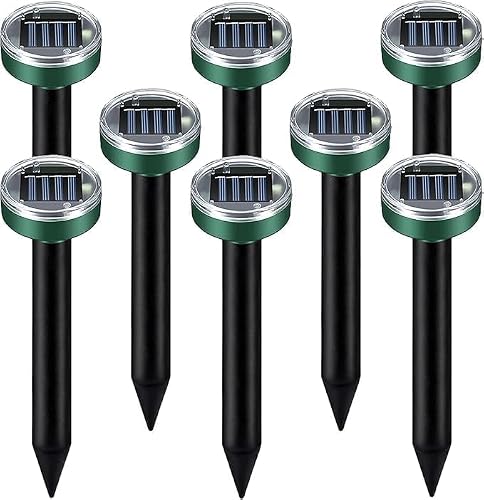
【Solar-Powered – No Batteries】The mole repellent for lawns consists of a highly efficient solar panel that automatically gets energy from the sun .Since it is solar powered, there is no running cost at all. NOTE: Keep solar mole repellent under the sun to charge for at least 2 days before installation.

SONIC WAVE REPELLER - Once installed, this stake emits 400Hz sound waves in all directions, creating an environment that encourages animals to relocate.
Effective Deterrents
- Fencing: Install a fine mesh or hardware cloth fence around your garden. Ensure it’s at least 2 feet high and buried 6 inches underground to stop digging.
- Natural Repellents: Use scents that rats dislike. Plant marigolds, lavender, or mint around your lettuce. Sprinkling cayenne pepper or using peppermint oil on cotton balls can also deter them.
- Traps: Set up traps in and around your garden. Choose humane traps to catch and release rats away from your area.
- Cleanliness: Keep your garden tidy. Remove any fallen fruits, vegetables, or debris that may attract rats.
- Water Management: Limit standing water nearby. Rats need water, so proper drainage and removing water sources can help keep them away.
- Row Covers: Use lightweight fabric or netting to cover your lettuce plants. This physical barrier prevents rats from accessing the plants while allowing sunlight and moisture to penetrate.
- Companion Planting: Plant strong-scented herbs like basil or rosemary alongside your lettuce. The odors can mask the scent of the lettuce, making it less appealing to rats.
- Decoy Foods: Offer alternatives away from your main crops. Place cheap produce like overripe fruits in a specific area to divert rats from your lettuce.
- Ultrasonic Repellers: Install devices that emit high-frequency sounds. These sounds are inaudible to humans but can deter rats.
- Regular Monitoring: Check your garden daily. Recognizing signs of rat activity early allows for prompt action to prevent further damage.
Implementing these strategies effectively keeps your lettuce safe while managing rat populations.
Conclusion
Keeping your lettuce plants safe from rats can be a challenge but it’s definitely doable with the right strategies. By understanding what attracts these little critters you can take proactive steps to protect your garden. Whether it’s using fencing or natural repellents finding what works best for you can make all the difference.
Remember to stay vigilant and regularly check your plants. With a bit of effort you can enjoy a thriving garden free from unwanted nibblers. Happy gardening and may your lettuce flourish!
Frequently Asked Questions
What do rats like to eat in gardens?
Rats are particularly attracted to fresh produce, especially leafy greens like lettuce. Their diet requires high-nutritional content, making gardens with ripe vegetables a key target for them.
How does lettuce affect rat health?
Lettuce provides hydration for rats, which is beneficial, but it lacks sufficient protein. Additionally, its high energy content may lead rats to seek out other food sources, prompting them to forage beyond lettuce.
What are effective methods to prevent rats from eating lettuce?
To protect your lettuce, consider using fencing, natural repellents, traps, and maintaining a clean garden. Regular monitoring, water management, and row covers can also deter rats effectively.
Can companion planting help keep rats away?
Yes, companion planting can be effective. Certain plants naturally repel rats or distract them from your vegetables. Incorporating these plants can create a protective barrier around your lettuce crops.
Are ultrasonic repellers useful for keeping rats at bay?
Ultrasonic repellers emit sounds that are unpleasant to rats but inaudible to humans. While they can help deter rats, their effectiveness may vary, so complementing them with other methods is recommended.
