

Ever wondered if kale and broccoli are two peas in a pod or more like distant cousins? Picture this: you’re at the grocery store, eyeing the vibrant greens in the produce section. Are you confidently picking out kale, thinking it’s just like broccoli, or are you hesitating, unsure if they’re actually the same plant in disguise?
What is Kale?
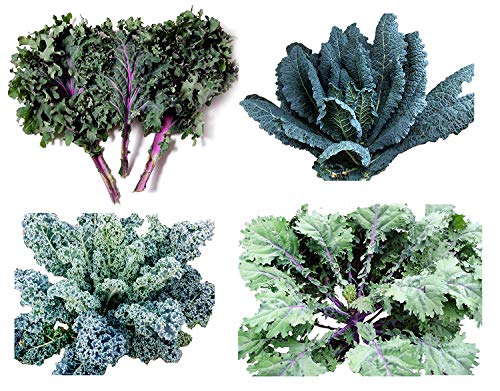
When it comes to greens that pack a nutritional punch, kale often takes the spotlight. It belongs to the same family as broccoli, which is the Brassica oleracea species. Kale can come in various colors, from dark green to purple or even with a bluish tint.
- Nutritional Powerhouse
- Loaded with Vitamin K: Just a cup of kale provides more than your daily needs.
- Rich in Vitamin C: Boosts your immune system and promotes skin health.
- Abundant Antioxidants: Combat oxidative stress in your body.
- Versatile and Flavorful
- Great in Salads: Adds a crunch and hearty texture.
- Perfect for Smoothies: Blends well and enhances the nutritional value.
- Excellent Chip Alternative: Bakes into crispy kale chips for a tasty snack.
- Easy to Grow
- Thrives in Cool Weather: Ideal for fall and winter months.
- Low Maintenance: Resilient to most pests and diseases.
- Quick Harvest: Can be ready in as little as 30 to 60 days.
- Culinary Delight
- Sautéed or Steamed: Retains its vibrant color and nutrients.
- Massaged for Salads: Softens the leaves for a more enjoyable texture.
- Stirred into Soups: Enhances the flavor profile of the dish.
Recommended Products
MIXED SEEDS! Super Tasty and Productive Varieties

Beautiful - Five large individual packets of Pansy Swiss Giants Mix, Violet Johnny Jump Up, Ball’s Orange Calendula, Tetra Mix Snapdragon, and Sweet Pea Mammoth Mix. Makes a wonderful garden gift.
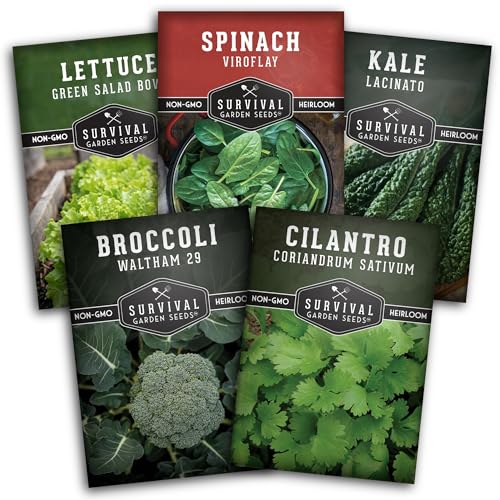
5 COOL SEASON VARIETIES – Includes Broccoli Waltham 29, Kale Lacinato, Lettuce Green Salad Bowl, Spinach Viroflay, and Cilantro for versatile garden harvests
What is Broccoli?
Broccoli is a cruciferous vegetable that belongs to the same family as kale. It is characterized by its dense green clusters of florets attached to a thick, edible stalk. Rich in nutrients like vitamin C, vitamin K, and fiber, broccoli is often praised for its health benefits.
When it comes to taste, broccoli has a fresh, slightly bitter flavor that can be enjoyed raw or cooked in a variety of ways. Versatile in the kitchen, broccoli can be steamed, roasted, stir-fried, or even eaten raw in salads for a crunchy texture.
In terms of appearance, broccoli differs from kale with its distinctive tree-like shape. While kale leaves are more frilly and come in various colors, broccoli, on the other hand, has compact, flowering heads that are the focal point of the vegetable.
Broccoli is a staple in many households around the world and is a favorite among those looking to maintain a healthy diet due to its nutrient profile.
| Vitamin C | High in broccoli |
| Vitamin K | Rich in broccoli |
| Fiber | Abundant in broccoli |
Key Differences Between Kale and Broccoli
When comparing kale and broccoli, there are several key differences to keep in mind. Here’s a breakdown to help you distinguish between these two popular vegetables:
- Appearance: Kale has curly, textured leaves that vary in color from deep green to purple, while broccoli features a tree-like shape with a large flowering head.
- Texture: Broccoli has a denser texture due to its compact florets, while kale tends to be more leafy and chewy.
- Nutrient Profile: Both are nutrient powerhouses, but they offer different benefits. Kale is renowned for its high Vitamin K and Vitamin C content, while broccoli is rich in Vitamin C, Vitamin K, and fiber.
- Culinary Uses: Kale is commonly used in salads, smoothies, soups, and stir-fries due to its versatility, while broccoli is often steamed, roasted, or enjoyed raw with dips.
- Flavor Profile: Kale has a slightly bitter and earthy flavor, while broccoli offers a mild, slightly sweet taste.
- Growing Patterns: Kale is known for its cold-hardy nature, making it suitable for winter harvests. In contrast, broccoli thrives in cooler temperatures but is more sensitive to heat.
- Cultural Significance: Kale has gained popularity as a superfood in recent years, while broccoli has long been recognized for its health benefits.
Understanding these distinctions can help you make informed decisions when incorporating kale and broccoli into your diet.
Nutritional Comparison
When comparing kale and broccoli nutritionally, you’ll find some key differences. Kale is loaded with vitamins and minerals, making it a superfood in its own right. On the other hand, broccoli also packs a nutritional punch and is a great addition to a balanced diet.
Here’s a breakdown of the nutritional content of kale and broccoli:
| Nutrient | Kale (per 100g) | Broccoli (per 100g) |
|---|---|---|
| Vitamin C | 120mg | 89.2mg |
| Vitamin K | 817µg | 101.6µg |
| Fiber | 2g | 2.6g |
| Calories | 35 | 34 |
You can see that both kale and broccoli are nutrient powerhouses that offer a wide array of health benefits. Incorporating both into your diet can help ensure you’re getting a variety of essential vitamins and minerals.
Recommended Products

25+ Organic Superfoods in One Easy Scoop - Get more out of your greens with 25+ organic superfoods, including spirulina, chlorella, matcha, reishi, broccoli, spinach, kale and more. An easy way to help fill the gaps in your everyday diet.

𝗖𝗘𝗥𝗧𝗜𝗙𝗜𝗘𝗗 𝗢𝗥𝗚𝗔𝗡𝗜𝗖 - These phytonutrient-dense vegetable pills are made with a proprietary blend of 11 organic freeze-dried ingredients, which includes 6 powerhouse cruciferous vegetables that are all packed into an easy to swallow superfood tablet. Includes 90 tablets.

Superfood supplement – Broccoli compounds like sulforaphane are thought to have many health benefits. But it’s not always easy to get enough broccoli. This high-quality broccoli supplement can help make sulforaphane more available to the body.
Conclusion
So, there you have it – kale and broccoli may come from the same plant family, but they each bring their own set of nutritional benefits to the table. While kale shines with its high Vitamin C and K content, broccoli holds its ground with a slightly lower yet still impressive nutrient profile. By including both of these powerhouse vegetables in your diet, you’re not only adding variety but also ensuring that you’re getting a wide range of essential vitamins and minerals. So go ahead, mix it up and enjoy the unique health benefits that kale and broccoli have to offer.
Frequently Asked Questions
Which vegetables are compared in the article?
The article compares kale and broccoli based on their nutritional value per 100g.
What are the key nutrients found in kale?
Kale is rich in Vitamin C (120mg) and Vitamin K (817µg) per 100g.
What are the key nutrients found in broccoli?
Broccoli also contains Vitamin C and Vitamin K, but in slightly lower amounts than kale.
Why are kale and broccoli recommended in a diet?
Both vegetables are high in fiber, low in calories, and offer essential vitamins and minerals.
How can incorporating kale and broccoli benefit health?
Including kale and broccoli in your diet provides a diverse range of nutrients, promoting overall health and well-being.
