

Ever wondered if you could effortlessly grow your own vibrant beets at home? Picture this: you step into your backyard, greeted by rows of lush green leaves and the promise of fresh, earthy beets ready to harvest. Exciting, right? In this article, we’ll explore the world of beet cultivation and discover just how easy it can be for you to cultivate these nutritious gems in your own garden.
Imagine the satisfaction of serving up a colorful beet salad or roasting your homegrown beets for a deliciously wholesome meal. With simple tips and tricks at your disposal, you’ll soon realize that growing beets can be a rewarding and straightforward experience. Get ready to unlock the secrets to a successful beet-growing journey and enjoy the bountiful harvest that awaits you.
Benefits of Growing Beets
Growing beets offers a variety of benefits that go beyond the joy of nurturing your own garden. Here are some key advantages:
- Nutritional Powerhouse: Beets are packed with essential nutrients like folate, manganese, and fiber, making them a valuable addition to your diet.
- Versatile & Delicious: These vibrant vegetables can be enjoyed raw, pickled, roasted, or juiced, adding a burst of flavor to your meals.
- Cost-Effective: With minimal start-up costs, growing beets at home can save you money in the long run compared to purchasing them regularly.
- Enhances Your Garden: Beets are not only nutritious but also aesthetically pleasing, adding a pop of color to your garden beds.
- Eco-Friendly: By cultivating your own beets, you reduce the environmental impact of transportation and packaging associated with store-bought produce.
Whether you’re a beginner gardener or have a green thumb, the benefits of growing beets make it a rewarding and worthwhile endeavor. So, why not give it a try and experience the satisfaction of harvesting your own fresh beets?
Choosing the Right Beet Varieties
When selecting beet varieties to grow in your garden, consider the following factors to ensure a successful harvest:
- Cylindra Beets: Ideal for smaller spaces with their cylindrical shape.
- Golden Beets: Have a sweeter taste compared to traditional red beets.
- Chioggia Beets: Known for their vibrant red and white rings when sliced.
- Detroit Dark Red Beets: A classic variety with deep crimson flesh.
Your choice of beet variety depends on personal preferences and the growing conditions in your area. Tailor your selection to suit your taste and gardening environment.
Experimenting with different beet types can add color and flavor to your meals, making the growing experience even more rewarding.
Recommended Products
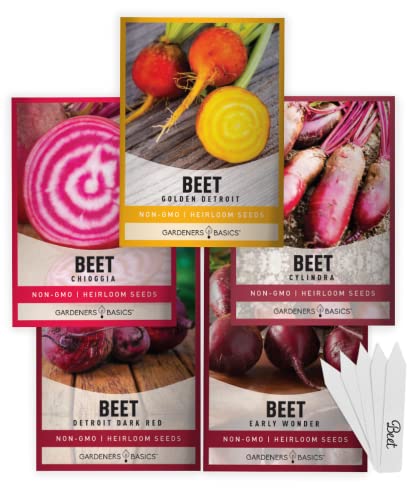
VARIETIES - Detroit Dark Red, Golden, Early Wonder, Cylindra, Chioggia Beet Seeds for Planting all 2 gram packets.

Vibrant Color Fusion: A stunning mix of rainbow beetroots, blending deep reds, golden yellows, and earthy whites for a visually striking dish or juice.

Gardening Kit - 10 Unique Beet Seeds Variety Pack NON-GMO Heirloom Seeds LESS THAN $1.50 PER SEED VARIETY PACK 1,620+ seeds including: Beet Bull's Blood, Beet Chioggia, Beet Crosby's, Beet Cylindra, Beet Detroit Dark Red, Beet Early Wonder, Beet Golden Detroit, Beet Ruby Queen, Beet Sugar, Beet White Albino.
Preparing the Soil for Beet Cultivation
To ensure successful beet cultivation, it’s crucial to start with well-prepared soil. Here’s how you can prepare the soil for your beet plants:
- Select a sunny location for your beet bed.
- Loosen the soil to a depth of at least 12 inches.
- Remove any rocks, debris, and weeds from the planting area to give your beets room to grow.
- Incorporate organic matter, such as compost or aged manure, to improve soil structure and fertility.
- Ensure good drainage to prevent waterlogged soil, which can hinder beet growth.
- Perform a soil test to check the pH level and nutrient content. Beets prefer a slightly acidic soil with a pH of 6.0-7.0.
- Adjust the pH if needed by adding lime to raise the pH or elemental sulfur to lower it.
By following these soil preparation steps, you’ll create an optimal environment for your beet plants to thrive.
Recommended Products
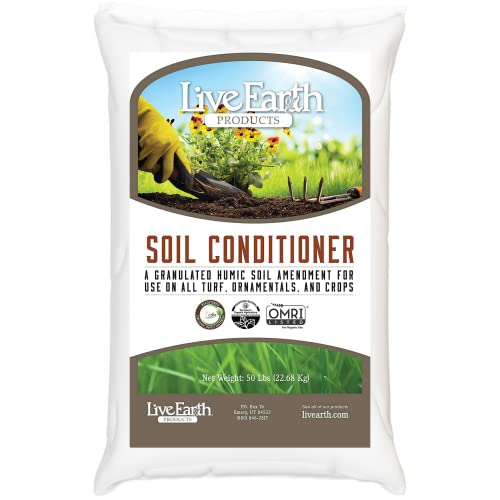
Premium, Organic, Soil Amendment: Rich in fulvic & humic acids plust trace minerals help improve soil health. Simply shake into soil and water after application for flourishing lawns, vegetable gardens, trees, shrubs, and flowers

Ready-to-Use Formula: No mixing or extra steps required. Simply pour and plant - perfect for gardeners of all experience levels.

Reduces plant watering by 50%
Planting and Caring for Beet Seeds
When planting beet seeds, ensure to sow them about 1/2 inch deep and 1 to 2 inches apart in rows.
Thin out seedlings to about 3 to 4 inches apart once they reach a few inches tall.
Keep the soil consistently moist but not waterlogged to aid in the germination process.
After the plants have established, water them regularly to ensure healthy growth.
Consider mulching around the plants to help retain moisture and suppress weeds.
Monitor for pests like aphids or leaf miners and address any issues promptly to protect your beet crop.
Recommended Products

Set includes 43 lightly assorted Vegetable and Herb seeds!

7 Varieties of Premium Seeds: Includes a diverse selection of non-GMO heirloom root vegetables including 3 different onion varieites, carrot, radish, beet, and turnip.
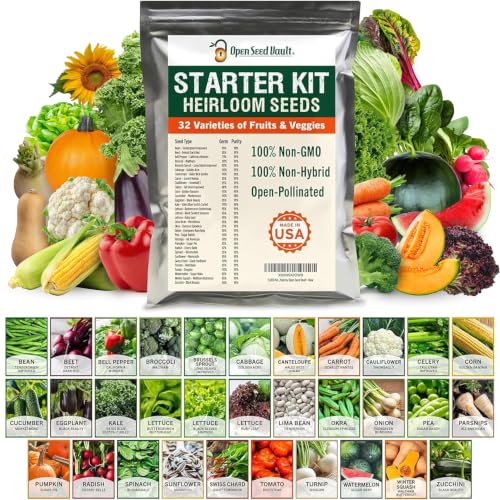
COMPLETE VEGETABLE GARDEN VARIETY PACK – Grow a thriving home garden with 32 popular vegetable seeds including Bean, Beet, Bell Pepper, Broccoli, Brussels Sprout, Cabbage, Cantaloupe, Carrot, Cauliflower, Celery, Corn, Cucumber, Eggplant, Kale, Lettuce (3 types), Lima Bean, Okra, Onion, Pea, Parsnip, Pumpkin, Radish, Spinach, Sunflower, Swiss Chard, Tomato, Turnip, Watermelon, Zucchini. A diverse mix perfect for fresh meals, backyard gardens, and sustainable growing.
Harvesting and Storing Your Beets
When it comes to harvesting your beets, the size of the root is a good indicator of readiness. Beets are typically ready for harvest around 1.5 to 3 inches in diameter. Gently loosen the soil around the base of the plant and pull the beets out, taking care not to damage the roots.
After harvesting, it’s time to store your beets. Cut off the greens, leaving an inch of stem attached to prevent bleeding during cooking. Store your beets in a cool, dark place like a root cellar or refrigerator. They can last for several weeks when stored properly.
For long-term storage, consider preserving your beets by pickling or canning. These methods can help you enjoy your homegrown beets throughout the year.
Remember, properly harvested and stored beets can not only be a flavorful addition to your meals but also a rewarding outcome of your gardening efforts.
Conclusion
Growing beets can be a rewarding experience for any gardener. By choosing the right varieties, preparing the soil properly, and following planting and care guidelines, you can enjoy a successful beet harvest. Remember to sow seeds at the right depth, maintain consistent soil moisture, and watch out for pests. Harvest your beets when they reach the ideal size, store them correctly, and even preserve them for future use. With a little effort and attention, you can have a bountiful supply of fresh beets to enhance your meals and enjoy the fruits of your gardening labor. Happy growing!
Frequently Asked Questions
What are some key considerations for successful beet cultivation?
To cultivate beets successfully, choose the right beet varieties, prepare the soil well, sow seeds 1/2 inch deep and 1-2 inches apart in rows, thin seedlings to 3-4 inches apart, maintain consistent soil moisture, water regularly, mulch for moisture retention and weed control, and monitor for pests like aphids or leaf miners.
How should beets be harvested and stored?
Harvest beets when they reach 1.5-3 inches in diameter, store them in a cool, dark place such as a root cellar or refrigerator, and consider preserving them through pickling or canning for long-term enjoyment and enhanced meals.
