

Have you ever wondered if your sage plants will make it through the harsh winter months? Picture this: as the temperatures drop and frost starts to settle in, you might be concerned about the fate of your beloved herbs. But fret not, as we’re here to guide you on ensuring that your sage thrives even in the coldest of seasons.
In this article, we’ll explore practical tips and tricks to help your sage survive the winter chill. You’ll discover easy-to-implement strategies that will keep your herb garden flourishing year-round. By following our advice, you can enjoy fresh sage leaves for culinary delights straight from your garden, no matter how low the temperature drops outside. Let’s dive into the world of winter care for sage and ensure a bountiful harvest awaits you come springtime.
Key Takeaways
- Sage plants have good cold hardiness, making them resilient in winter conditions compared to other herbs.
- Choosing a sunny location with well-draining soil is crucial for sage survival during winter.
- Proper soil management, including avoiding overwatering and using mulch, helps protect sage roots from cold temperatures.
- Employing mulching techniques and using cloches or row covers can provide additional protection for sage during winter.
- Experienced gardeners recommend planting sage in raised beds, using organic mulch, pruning before winter, and monitoring moisture levels to ensure sage survival in winter.
Understanding Sage’s Cold Hardiness
What Is Cold Hardiness?
Cold hardiness refers to a plant’s ability to withstand and survive low temperatures without sustaining damage. In the case of sage plants, cold hardiness is crucial during the winter months when frost and freezing conditions can pose a threat to their well-being. Sage’s cold hardiness allows it to endure chilly weather and even light frosts, making it a resilient herb for year-round cultivation.
How Does Sage Compare to Other Herbs in Winter?
Compared to many other herbs, sage stands out for its impressive cold tolerance. While some herbs may struggle or perish in frosty conditions, sage can often thrive despite the chill. This resilience makes sage a popular choice for gardeners looking to maintain an herb garden through the winter season. Its ability to retain flavor and aroma even in colder climates sets it apart from more delicate herbs that may not fare as well when temperatures drop.
Remember, understanding sage’s cold hardiness is key to successfully caring for your plants during winter. By recognizing its resilience and unique characteristics compared to other herbs, you can ensure your sage thrives even when the mercury dips.
Preparing Sage for Winter
Recommended Products

Grow Your Own Rosemary, Sage from Seed: This complete Buzzy Seeds grow kit gives you everything to raise cheerful rosemary and sage right at home in a metal windowsill planter, a thoughtful, hands-on project for indoor & outdoor spaces.

🌟 Hand Crafted Sage Smudging Kits by our Caring & Loving Team - JL Local🌟
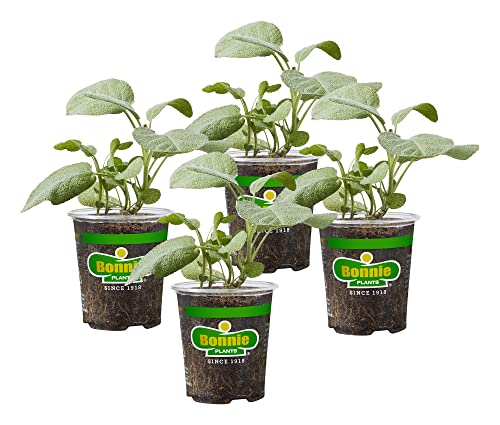
Choosing the Right Location
To ensure your sage plants survive winter, it’s crucial to select the appropriate location. Choose a spot that receives ample sunlight, as sage thrives in full sun conditions. Aim for at least 6-8 hours of direct sunlight daily. Additionally, pick a well-draining area to prevent waterlogging, which can be detrimental to sage during colder months.
Soil and Watering Considerations
When preparing your sage for winter, focus on soil quality and watering practices. Ensure the soil is well-draining with good aeration to prevent root rot—a common issue in winter due to excess moisture. Avoid overwatering; instead, water deeply but infrequently to maintain optimal soil moisture levels without saturating the roots. Consider using mulch around the base of the plant to help retain soil warmth and protect the roots from extreme cold temperatures.
By implementing these tips on choosing the right location and managing soil and watering effectively, you can set up your sage plants for success during the winter months.
Protecting Sage Through the Winter Months
In ensuring your sage plants survive the winter, employing effective protection measures is crucial. Below are practical techniques you can implement to safeguard your sage during the colder months.
Recommended Products
INTENTIONAL & MAGICAL: Bring magic into your space with the CIRCE Spell Candle Collection. Crafted with intention, each candle is infused with herbs, crystals, and natural fragrance oils chosen to enhance specific energies. Circe creates tools for rituals, manifestation, and transformation, reminding you “Darling you are magic”! Each product is designed to help you harness your inner power, align with your intentions, and bring your dreams to life.

New Age Smudges & Herbs: Trust in the reputable brand of New Age Smudges & Herbs, known for providing high-quality spiritual tools and products. With our White Sage bundles, you can be confident in the brand's commitment to excellence and your spiritual journey.

FRAGRANT & FLAVORFUL: Soft gray-green foliage provides earthy flavor and beautiful texture in both culinary and ornamental gardens.
Mulching Techniques
Mulching is a beneficial method for insulating sage roots and regulating soil temperature. By applying a layer of mulch around your sage plants, you can provide them with added protection against freezing temperatures.
Utilizing Cloches and Row Covers
Cloches and row covers offer physical barriers that shield sage from harsh winter conditions. Placing cloches over individual plants or utilizing row covers for larger areas can help maintain a stable microclimate, promoting the survival of your sage throughout the winter season.
Observations and Tips from Experienced Gardeners
Real-Life Examples of Wintering Sage
When it comes to wintering sage, experienced gardeners have shared insightful examples that can help you ensure the survival of your sage plants. For instance, some gardeners recommend planting sage in raised beds to improve drainage during winter. This method prevents waterlogging and reduces the risk of root rot, which is crucial for sage’s survival in cold weather.
Another practical example is using organic mulch around sage plants before winter sets in. Gardeners often use materials like straw or shredded leaves to create a protective layer over the soil. This mulch acts as insulation, keeping the roots warm and safeguarding them from frost damage. By following these real-life examples, you can effectively prepare your sage for the winter months.
Expert Tips for Ensuring Survival
Experienced gardeners offer valuable tips to help your sage thrive through the winter season. One key suggestion is to prune your sage plants before winter arrives. Trimming back excessive growth not only maintains plant health but also conserves energy for essential functions during colder months.
Additionally, experts advise monitoring moisture levels carefully. While it’s important not to overwater sage, ensuring adequate hydration is vital for its survival. Strike a balance by allowing the soil to dry slightly between waterings without letting it become completely parched.
Moreover, some seasoned gardeners recommend covering young or delicate sage plants with cloches or row covers when temperatures drop significantly. These protective barriers shield the plants from harsh elements and provide an extra layer of insulation against frost.
By incorporating these expert tips into your gardening routine, you can increase the chances of your sage surviving winter successfully.
Conclusion
Ensuring sage’s survival through winter doesn’t have to be daunting. By implementing proper care strategies like selecting a sunny spot, maintaining soil health, and using protective measures such as mulching and cloches, you can boost your sage plant’s chances of thriving even in the coldest months. Remember, a little preparation goes a long way in safeguarding your herb garden during winter. With these tips in mind, you’re well-equipped to support your sage plant through the frosty season ahead. Happy gardening!
Frequently Asked Questions
Q: Why is it important to understand sage’s cold hardiness for year-round cultivation?
A: Understanding sage’s cold hardiness helps ensure its survival in winter, promoting year-round cultivation success.
Q: What are some practical tips for preparing sage for winter?
A: Select a sunny, well-draining location, maintain soil quality, and practice proper watering to prevent issues like root rot.
Q: How can I protect sage during winter?
A: Utilize mulching techniques to insulate roots, regulate soil temperature, and use cloches or row covers as physical barriers against harsh conditions.
