

Is your once-vibrant lettuce plant looking droopy and sad? You’re not alone. Many gardeners face this frustrating issue, and it can feel disheartening when all your hard work seems to be going to waste.
Key Takeaways
- Identify Wilting Causes: Recognize that wilting in lettuce can stem from overwatering, underwatering, temperature stress, pests, and diseases.
- Proper Watering: Water your lettuce only when the top inch of soil feels dry; avoid overwatering to prevent root rot.
- Temperature Management: Aim to maintain ideal temperatures between 60°F to 70°F; provide shade during heat and cover during cold.
- Pest and Disease Monitoring: Regularly inspect plants for pests like aphids and diseases such as downy mildew to take prompt action.
- Soil Quality Assessments: Ensure good soil quality with proper drainage and pH balance (6.0 to 7.0) by incorporating organic matter and checking compaction.
- Optimal Sunlight Exposure: Provide 6 to 8 hours of sunlight daily, and adjust for excessive shade or heat as needed.
Common Causes of Lettuce Plant Wilting
Lettuce plants often wilt due to a variety of environmental factors and care practices. Understanding these causes can help you restore your plants’ health quickly.
Recommended Products

Trusted Since 2015: Become one of the many plant lovers who rely on the proven accuracy of XLUX. Established in 2015, our soil moisture meter has earned over 60,000+ verified ratings for its consistent performance. While many many newer brands come and go, we provide the long-term reliability and quality that American households have trusted for over a decade.
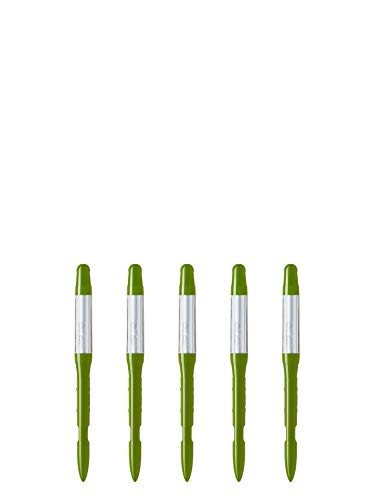
Dimensions: 0.4 x 0.3 x 4.7 inches (small) - Intended for pot sizes of 2, 2.5, and 3 - Ideal for small succulents

【SAVE YOUR PLANTS】: Over watering can cause problems with your plants or even kill them. This soil moisture meter helps you know the soil is dry, moist or wet.No more over watering!
Overwatering Issues
Overwatering leads to root rot, a condition where roots become mushy and unable to absorb water. Signs of overwatering include yellowing leaves and a musty smell near the soil. To prevent overwatering, ensure your pots have proper drainage and only water when the top inch of soil feels dry. A good rule of thumb is to water thoroughly, then check back in a few days.
Underwatering Concerns
Underwatering results in a lack of moisture for the lettuce, causing leaves to droop and lose their crispness. Signs of underwatering include wilting leaves and dry soil. Keep an eye on your plants, especially in hot weather. Water thoroughly whenever the soil feels dry, typically once every few days, or adjust frequency based on weather conditions.
Temperature Stress
Extreme temperatures can shock lettuce plants, leading to wilting. High temperatures can cause the plants to rapidly lose moisture, while cold temperatures can stunt growth. Ideal temperatures for lettuce range from 60°F to 70°F (15°C to 21°C). If temperatures rise above 80°F (27°C), consider providing shade, and if they drop below 50°F (10°C), cover your plants to protect them from frost.
Pests and Diseases
Pests and diseases can severely impact the health of your lettuce plants. Identifying these issues early ensures you can take action and restore your plants.
Recommended Products

Protect your oasis with 3 garden products in 1 from Captain Jack’s; Bonide Captain Jack’s Ready-to-Use Neem Oil spray for plants is a multi-purpose fungicide, insecticide and miticide for your lawn & garden

FUNGAL DISEASE CONTROL: Prevents and controls black spot on roses, powdery mildew, rust, downy mildew, and other listed fungal diseases when applied on a 7–14 day schedule

PLANT DISEASE CONTROL: Natria Neem Oil acts as an insecticide and fungicide in one convenient spray; Ready-to-use trigger sprayer requires no mixing
Identifying Common Pests
Check for these common pests that may affect lettuce:
- Aphids: Small, soft-bodied insects that cluster on leaves, sucking sap and causing yellowing.
- Slugs and Snails: These pests create holes in leaves and thrive in damp conditions.
- Leaf Miners: Larvae that burrow into leaves, leaving transparent trails and causing wilting.
- Thrips: Tiny pests that damage leaves and stems, resulting in discolored patches.
To manage pests effectively, inspect your plants regularly and look for signs of damage. You can remove pests manually or use insecticidal soap and neem oil for treatment.
Recognizing Disease Symptoms
Monitor your plants for signs of diseases, including:
- Downy Mildew: Yellow patches on leaves, often followed by a greyish fuzz on the underside.
- Powdery Mildew: White powdery spots on leaves that can lead to leaf curling and yellowing.
- Bacterial Leaf Spot: Water-soaked spots that turn brown, causing leaves to wilt and drop prematurely.
- Root Rot: Caused by overwatering, leading to mushy roots and yellowing leaves.
If you spot these symptoms, adjust your watering practices and improve airflow around your plants. Removing affected leaves can help reduce the spread of diseases.
Environmental Factors
Environmental factors play a significant role in the health of your lettuce plants. Understanding how aspects like soil quality and sunlight exposure impact your plants can help you address wilting issues effectively.
Soil Quality
Soil quality directly affects water retention and nutrient availability for your lettuce plants. Healthy soil consists of a balanced mix of organic matter, sand, and clay, promoting proper drainage and aeration.
- Check for Compaction: Compacted soil restricts root growth and water absorption. Loosen soil with a garden fork to improve aeration.
- Assess pH Levels: Lettuce thrives in slightly acidic to neutral pH (6.0 to 7.0). Test the soil and amend it if necessary using lime to raise pH or sulfur to lower it.
- Incorporate Organic Matter: Adding compost enriches soil with nutrients while enhancing water retention. Aim for 2 to 3 inches of compost annually.
Sunlight Exposure
Sunlight exposure impacts lettuce growth and overall vitality. Insufficient or excessive sunlight can both lead to wilting.
- Ideal Conditions: Lettuce prefers full sun to partial shade, requiring about 6 to 8 hours of sunlight daily.
- Monitor Shade Levels: If nearby plants or structures overshadow your lettuce, consider relocating them or choosing a sunnier spot for your lettuce bed.
- Provide Temporary Shade: During extreme heat, consider using shade cloth to protect your plants from scorching sunlight, particularly in the afternoon.
By managing soil quality and sunlight exposure, you foster a healthier environment for your lettuce plants and reduce wilting risks.
Mitigation Strategies
To effectively address wilting lettuce plants, you can implement specific strategies. These methods help improve overall plant health and prevent future issues.
Recommended Products

Accurate Soil Moisture Detection: The XLUX Soil Moisture Meter can tell you if the soil deep inside your pot or garden is dry, moist or wet; whereas your eyes and fingers can only determine the moisture level of the soil surface. The probe is 5.5 inches (14 cm) longer than regular styles, allowing it to measure the soil moisture at the bottom of larger and deeper flower pots.

Kindly NOTE: This soil tester can not be applied to test pH value of any other liquid. If the soil is too dry the indicator will not move, and water it before testing.

【4 in 1 function】This is a 4-in-1 multifunctional soil tester.Our soil tester fastly to measure soil moisture, pH, temperature and sunlight to help you take better care of flowers and plants.You can know when you need to water your soil by measuring moisture and pH & Temperature value of the soil and sunlight level of plants with it.
Proper Watering Techniques
Adjusting your watering methods can significantly impact lettuce health. Follow these steps:
- Check Soil Moisture: Use your finger to test the top inch of soil. If it’s dry, it’s time to water.
- Water Deeply: When watering, ensure it penetrates the soil by providing enough water until it drains from the bottom. This encourages deep root growth.
- Water in the Morning: Early morning watering reduces evaporation and allows leaves to dry during the day, minimizing disease risks.
- Avoid Overwatering: Monitor for yellow leaves and root rot. Always aim for well-draining soil to prevent soggy conditions.
Soil Improvement Methods
Enhancing your soil quality fosters a healthier environment for lettuce. Consider these soil improvement techniques:
- Add Organic Matter: Incorporate compost or well-rotted manure to boost nutrient levels and improve soil structure.
- Check for Compaction: Gently loosen compacted soil using a fork or aerator. This action improves drainage and root access to air.
- Adjust pH Levels: Test soil pH to ensure it falls between 6.0 and 7.0. Use lime to raise pH or sulfur to lower it as needed.
- Mulch: Applying a layer of organic mulch helps retain moisture, suppress weeds, and regulate temperature.
Implementing these strategies encourages healthier growth and can reduce the chances of wilting in your lettuce plants.
Conclusion
Dealing with wilting lettuce can be disheartening but knowing the causes gives you a better chance to revive your plants. By paying attention to watering habits soil quality and environmental factors you can create a thriving space for your lettuce to flourish.
Regular checks for pests and diseases will also help keep your plants healthy. Remember that a little care goes a long way. With the right approach you can enjoy a bountiful harvest and the satisfaction that comes from nurturing your garden. Keep experimenting and learning as you go and soon you’ll be on your way to growing vibrant lettuce plants. Happy gardening!
Frequently Asked Questions
What causes lettuce plants to droop?
Drooping in lettuce plants can be caused by various factors, including overwatering, underwatering, temperature stress, and pests. Overwatering leads to root rot, while underwatering results in dry soil and drooping leaves. Extreme temperatures can shock the plants, making them wilt. Identifying the cause is essential to restore plant health.
How can I tell if my lettuce is overwatered?
Signs of overwatering in lettuce include yellowing leaves, mushy stems, and a foul odor from the soil. The soil will typically feel soggy, and you may notice root rot if you remove the plant. To prevent overwatering, ensure proper drainage and check soil moisture regularly.
What are common pests that affect lettuce plants?
Common pests that target lettuce include aphids, slugs, snails, leaf miners, and thrips. These pests can cause significant damage, leading to wilting or distortion of the leaves. Regular inspections and treatments with insecticidal soap or neem oil can help manage these pests effectively.
How do I improve soil quality for my lettuce?
To improve soil quality for lettuce, incorporate organic matter like compost to enhance aeration and drainage. Check for soil compaction and test the pH levels to ensure they are suitable for lettuce growth. Mulching can also help retain moisture and regulate temperature.
How much sunlight do lettuce plants need?
Lettuce prefers full sun to partial shade, requiring about 6 to 8 hours of sunlight daily. Insufficient light can lead to leggy, weak plants. Monitor shade levels from nearby plants or structures and consider providing temporary shade during extreme heat to protect your lettuce.
What can I do to prevent wilting in my lettuce?
To prevent wilting, practice proper watering techniques by checking soil moisture before watering and doing so deeply in the morning. Ensure your soil drains well and improve it with organic matter. Also, maintain optimal temperatures and monitor for pests and diseases regularly.
