

Are you craving fresh, crisp Caesar salads straight from your garden? Growing your own Caesar lettuce can be a rewarding experience that not only saves you money but also enhances your meals with unbeatable flavor.
Key Takeaways
- Understanding Caesar Lettuce: This crisp, slightly sweet leafy green is an excellent choice for salads with various types, including Romaine, Butterhead, and Iceberg, each offering unique textures and flavors.
- Nutritional Benefits: Caesar lettuce is low in calories, high in vitamins A and K, and contains important minerals, making it a nutritious addition to your meals.
- Growing Conditions: Choose well-draining soil with a pH of 6.0-7.0 and plant in a location that receives at least 6-8 hours of sunlight daily to promote healthy growth.
- Planting Tips: Plant seeds in early spring or late summer, aiming for soil temperatures of 60°F to 70°F, and space seeds 4 to 6 inches apart for optimal airflow.
- Care and Maintenance: Water consistently to keep soil moist, monitor for pests, and manage diseases through crop rotation and organic solutions to ensure healthy plants.
- Harvesting Techniques: Harvest Caesar lettuce around 70 to 90 days after planting by cutting at the base and ensuring the heads are firm, deep green, and about 6 to 12 inches tall for the best flavor.
Understanding Caesar Lettuce
Caesar lettuce, known for its crisp texture and slightly sweet flavor, makes a perfect base for salads. This versatile leafy green is easy to grow, providing an excellent addition to your garden.
Types of Caesar Lettuce
You can choose from various types of Caesar lettuce, each with unique characteristics. Popular options include:
- Romaine: Features long, upright leaves with a crunchy texture, perfect for Caesar salads.
- Butterhead: Offers tender, rounded leaves that provide a milder finish.
- Iceberg: Has a dense, crunchy head, usually found in traditional grocery store salads.
Selecting the right type depends on your taste preference and the culinary application.
Nutritional Benefits
Caesar lettuce delivers various nutritional benefits that contribute to a healthy diet. Key benefits include:
- Low-Calorie: Contains approximately 15 calories per cup, making it an excellent choice for weight management.
- Vitamins: Rich in vitamins A and K, supporting eye health and bone health respectively.
- Minerals: Provides important minerals like potassium, which helps regulate blood pressure.
Incorporating Caesar lettuce into your meals adds nutrition without sacrificing flavor.
Preparing to Grow Caesar Lettuce
Growing Caesar lettuce requires careful planning. You’ll need to consider location, soil quality, and fertilization to cultivate healthy plants.
Choosing the Right Location
Choose a location that gets full sunlight. Aim for at least six to eight hours of direct sunlight daily. Ensure the spot has good air circulation, which prevents diseases. Look for areas protected from strong winds to support young seedlings. If you’re limited on space, try growing in containers on balconies or patios.
Selecting Soil and Fertilizer
Select well-draining soil with a pH between 6.0 and 7.0. A mixture of garden soil and compost works well to provide nutrients. Test your soil quality beforehand to make necessary adjustments. Use organic fertilizers, such as compost or fish emulsion, to enrich the soil. Apply fertilizer according to package instructions to maintain optimal growth.
Planting Caesar Lettuce
Planting Caesar lettuce involves several key factors to ensure successful growth. Consider the timing and seed sowing techniques for optimal results.
Recommended Products

365 by Whole Foods Market products give you that dance-down-the-aisles feeling, virtual aisles too! Our huge range of choices with premium ingredients at prices you can get down with makes grocery shopping so much more than tossing the basics in your cart.
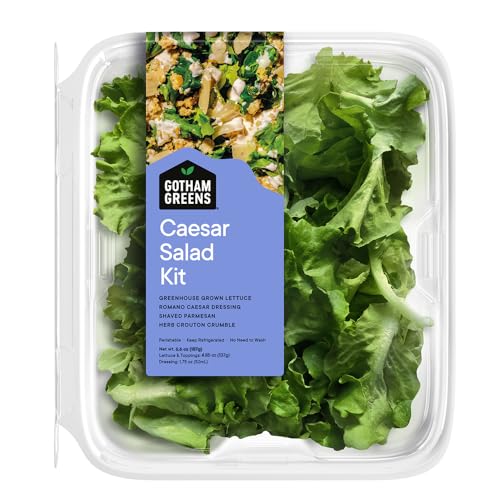
Selected and stored fresh
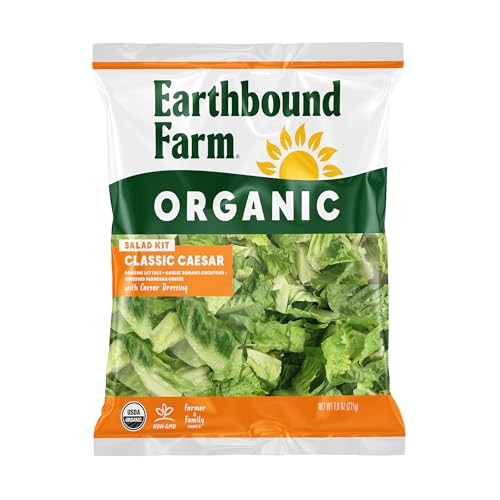
Includes fresh romaine lettuce, Parmesan cheese, butter croutons, and Caesar dressing
Timing for Planting
Timing plays a crucial role in growing Caesar lettuce. Aim to plant in early spring or late summer. Soil temperatures between 60°F and 70°F promote faster germination. If planting in spring, start seeds indoors 4-6 weeks before the last frost date. For fall planting, sow seeds directly in the garden about 6-8 weeks before the first expected frost. Monitoring local weather forecasts helps determine the best time for planting.
Seed Sowing Techniques
Effective seed sowing techniques enhance growth success. First, prepare the soil by tilling it to a depth of at least 12 inches. Use a rake to level the surface and remove debris. Next, plant seeds about ¼ to ½ inch deep. Space the seeds 4 to 6 inches apart for optimal growth. After seeding, gently cover with soil and water thoroughly. Keep the soil consistently moist, but avoid over-watering. Thin the seedlings once they reach 2-3 inches tall, leaving the strongest plants spaced about 12 inches apart for better airflow and growth.
Caring for Caesar Lettuce
Caring for Caesar lettuce involves consistent methods, including proper watering and effective pest management. Maintaining these practices ensures healthy, vibrant plants.
Recommended Products
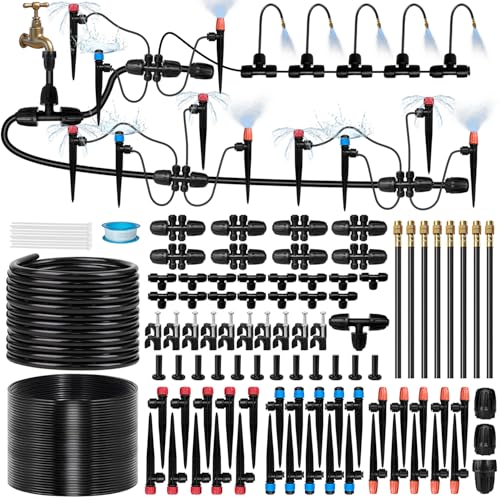
【Upgraded Tube Design & Water Saving】 Our garden watering system is upgraded to 1/2” diameter to support high water pressure. The 1/2” tee connector allows seamless splitting into 2 independent zones for customized watering schedules. By delivering moisture directly to root zones, this drip Irrigation system significantly reduces evaporation and runoff—saving more water compared to conventional sprinklers while eliminating the need for manual watering.

【Upgraded Tube Design & Water Saving】 Our adjustable garden watering system is upgraded to 1/2” diameter to support high water pressure. The 1/2” tee connector in the package so you can easily set up 2 drip irrigation systems as needed. Garden watering systems minimize stage water loss by recharging water directly to plant roots. While traditional irrigation often results in wasted water, this drip irrigation system saves up to 70% of water, no need for manual watering, saves water.
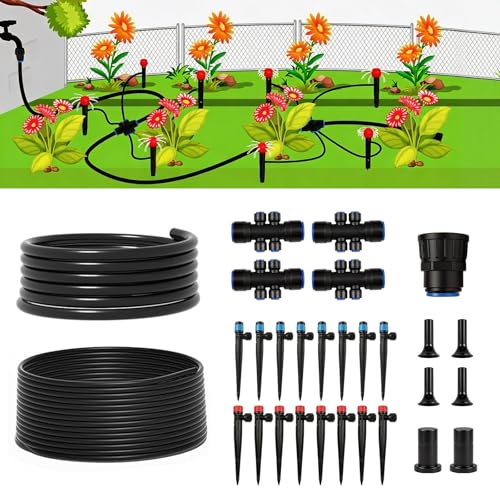
TRUE QUICK CONNECT – NO LEAKS, NO STRUGGLE: Unlike traditional kits that require twisting and force-fitting, our quick-connect design lets you simply push tubing into place. Secure, leak-resistant connections every time — no tools needed.
Watering Guidelines
Water Caesar lettuce regularly to keep the soil consistently moist but not soggy. Deep watering is essential; aim for at least 1 inch of water per week. Water in the morning to minimize evaporation and fungal diseases. If you use a drip irrigation system, adjust it to deliver moisture evenly. During hotter months, check daily and increase water if needed.
Example: If you notice wilting leaves, it’s a sign your lettuce requires more moisture.
Pest and Disease Management
Monitor your Caesar lettuce for pests like aphids and slugs. Use row covers to provide protection from insects. For slugs, set out shallow dishes filled with beer as an effective trap.
Implement crop rotation to prevent soil-borne diseases. Remove any damaged or diseased leaves promptly to reduce spread. Organic fungicides may help if fungal diseases occur, such as downy mildew.
Example: If you see holes in the leaves, inspect for pests and take immediate action.
Using these guidelines, you can ensure your Caesar lettuce thrives and provides you with delicious, fresh salads.
Harvesting Caesar Lettuce
Harvesting Caesar lettuce involves timing and techniques to ensure you enjoy the best flavor and freshness. You can typically begin harvesting approximately 70 to 90 days after planting, depending on the variety and growing conditions.
Signs of Readiness
Look for these key indicators to determine if your Caesar lettuce is ready for harvest:
- Size: Heads should reach 6 to 12 inches in height for optimal maturity.
- Color: Deep green leaves indicate healthy, nutrient-rich lettuce.
- Density: Firmness suggests that the leaves are packed and ready for picking.
Monitor your lettuce closely as it approaches maturity. Harvest when leaves are crisp and vibrant.
Proper Harvesting Techniques
Follow these techniques to harvest Caesar lettuce correctly:
- Use Sharp Tools: Cut with a sharp knife or scissors to prevent damage.
- Cut at the Base: Trim the lettuce head about an inch above the soil. This allows the plant to regrow.
- Handle Gently: Avoid bruising leaves by handling them with care.
- Harvest in the Morning: Collect your lettuce early in the day when temperatures are cooler. This maximizes freshness.
These techniques ensure your Caesar lettuce remains delicious and ready for salads.
Conclusion
Growing Caesar lettuce can be a rewarding experience that brings fresh flavors to your kitchen. With the right preparation and care you can enjoy a bountiful harvest. Remember to keep an eye on watering and pest management to ensure your plants thrive.
When it’s time to harvest pay attention to the signs of readiness and use proper techniques for the best results. Your efforts will pay off with crisp and delicious lettuce perfect for salads and sandwiches. So get out there and start your Caesar lettuce journey today!
Frequently Asked Questions
What are the benefits of growing Caesar lettuce varieties?
Caesar lettuce varieties, such as Romaine, Butterhead, and Iceberg, offer a range of textures, flavors, and high nutritional value. They are great for salads and provide essential vitamins and minerals, making them a healthy addition to your diet.
When is the best time to plant Caesar lettuce?
The best time to plant Caesar lettuce is in the spring or fall when temperatures are moderate. Timing may vary based on your local climate, but generally, it’s ideal to sow seeds about 2-4 weeks before the last frost for spring planting.
How should I prepare the soil for Caesar lettuce?
To prepare the soil for Caesar lettuce, ensure it’s well-drained and rich in organic matter. Test the soil pH, aiming for a range of 6.0 to 7.0. Incorporate compost or well-rotted manure to enhance fertility and moisture retention.
What is the ideal spacing for planting Caesar lettuce?
The ideal spacing for Caesar lettuce is 12 to 18 inches between plants and 12 to 24 inches between rows. Proper spacing ensures good air circulation and reduces competition for nutrients, resulting in healthier growth.
How often should I water Caesar lettuce?
Caesar lettuce should be watered consistently, ideally 1 to 1.5 inches per week. Deep watering is recommended to encourage root development. Monitor soil moisture and adjust watering frequency, especially during dry periods.
How can I manage pests on Caesar lettuce?
Monitor your lettuce regularly for pests like aphids and slugs. Use row covers, hand-picking, or natural insecticides to manage infestations. Keep the garden clean and practice crop rotation to minimize pest problems.
What signs indicate Caesar lettuce is ready for harvest?
Caesar lettuce is ready for harvest when it reaches a size of 6 to 12 inches tall, has a vibrant color, and feels dense to the touch. Timing is crucial for the best flavor and texture, so check regularly.
What is the best way to harvest Caesar lettuce?
To harvest Caesar lettuce, use a sharp knife to cut it at the base, leaving the roots in the ground. Handle the leaves gently to avoid bruising, and pick in the morning for optimal freshness.
