

Have you ever thought about growing your own lettuce but felt unsure where to start? You’re not alone! Many people want to enjoy fresh greens straight from their garden but worry about the planting process.
Key Takeaways
- Choose the Right Variety: Select lettuce types that suit your preferences and local climate, such as Butterhead, Romaine, or Looseleaf, for optimal growth and flavor.
- Prepare Soil Properly: Use a soil mix rich in organic matter, ensuring good drainage and nutrient absorption. Test soil pH, targeting a range of 6.0 to 7.0.
- Planting Techniques: Sow seeds at the right time based on your climate. Create neat rows, cover seeds lightly, and maintain consistent moisture for successful germination.
- Care and Maintenance: Water lettuce regularly with about 1 inch per week and use balanced fertilizers, avoiding over-fertilization to prevent bitterness.
- Harvesting Timing: Harvest lettuce when leaves are 4 to 6 inches long and firm, using appropriate tools and handling methods to maintain freshness and promote further growth.
Choosing the Right Lettuce Variety
Selecting the right lettuce variety ensures a successful and rewarding gardening experience. With numerous types available, you can find one that fits your tastes and local climate.
Recommended Products
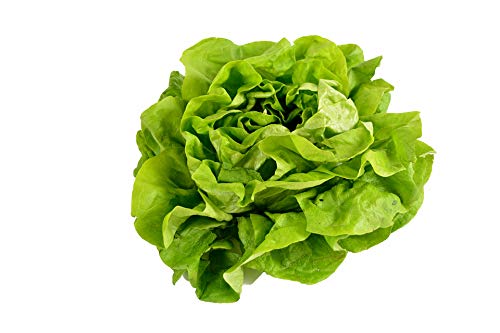
This lettuce is well known for its sweet flavor. Best if harvested in the morning.
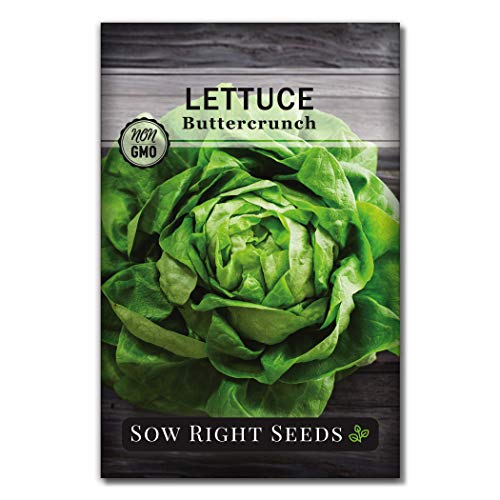
Beautiful - Full color packet of Buttercrunch Lettuce (Lactuca sativa) Seed. This bibb-type lettuce forms a tight rosette hiding a buttery yellow center. Slow to bolt and tolerant to warmer temperatures. AAS winner. Minimum of 600 mg per packet (about 650 seeds).

🥬 Classic Butterhead Variety: White Boston Butterhead Lettuce produces tender, loosely folded bibb-style heads with soft, smooth leaves and a mild, slightly sweet flavor. This cool-season annual forms compact rosettes ideal for spring and fall gardens, delivering beautiful light green heads perfect for fresh eating.
Types of Lettuce
- Butterhead: Known for its smooth, rounded leaves, this lettuce is tender and sweet. Varieties like Buttercrunch and Boston are popular choices.
- Romaine: Characterized by its tall, thick leaves, Romaine holds up well in salads. Varieties like Little Gem or Paris Island are commonly grown for their crisp texture.
- Looseleaf: Featuring delicate, frilled leaves, this type grows quickly and can produce multiple harvests. Varieties such as Red Romaine and Green Leaf are easy to care for.
- Crisphead: This variety forms a tight, compact head that is crunchy and refreshing. Iceberg is the classic choice but requires specific growing conditions.
- Buttercrunch: Extremely forgiving and adaptable, this variety thrives in various conditions. It’s also resistant to bolting, making it reliable for new gardeners.
- Mesclun Mix: This mixed variety allows you to enjoy different flavors in one planting. Growing mesclun is simple and provides a quick harvest.
- Red Romaine: Known for its unique color and flavor, this variety grows well in cooler temperatures. It’s great for beginners due to its hardiness.
- Leafy Green Mix: This combination provides a diverse selection of greens without complicated care. You’ll enjoy constant fresh leaves throughout the growing season.
- Butterhead Bibb: Renowned for ease of growth, this variety doesn’t require much space and matures quickly. It’s perfect for container gardening or small plots.
Preparing the Soil
Preparing the soil is crucial for growing healthy lettuce. Proper soil facilitates good drainage and nutrient absorption, leading to robust growth.
Recommended Products

Quick, at home results for Soil pH, Nitrogen, Phosphorous and Potash Innovative and inexpensive soil test kit features an easy-to-use capsule system and patented color comparators

Kindly NOTE: This soil tester can not be applied to test pH value of any other liquid. If the soil is too dry the indicator will not move, and water it before testing.

Comprehensive Soil Analysis: Liquid soil test kits offer a comprehensive analysis of essential soil parameters, including pH, ammonia, nitrogen, phosphorus, and potassium. Having all these measurements in one kit provides a holistic understanding of the soil's fertility and health.
Soil Composition
Select a soil mix rich in organic matter. Ideal compositions include 50% compost or well-rotted manure, and 50% garden soil or potting mix. This combination enhances soil fertility and supports root development. You can also consider adding perlite or vermiculite for better aeration and drainage. When planting varieties like Butterhead or Romaine, ensure the soil remains light and fluffy for optimal growth.
Testing Soil pH
Testing your soil pH is vital for lettuce cultivation. Lettuce thrives in a pH range of 6.0 to 7.0. Use a home soil testing kit for quick results. If the pH falls below 6.0, add lime to increase alkalinity. If it exceeds 7.0, incorporate sulfur or peat moss to lower it. Regular testing, at least once a year, ensures your soil remains balanced and suitable for growing crisp, delicious lettuce.
Planting Lettuce Seeds
Planting lettuce seeds involves careful timing and precise techniques to ensure a successful crop. Follow these guidelines to cultivate healthy lettuce plants.
Recommended Products

CONTAINS: This organic Seed Stating soil mix is a rich blend of sphagnum peat moss & perlite with yucca extract and lime to ensure correct pH.

Miracle-Gro Indoor Potting Mix for Seed Starting grows stronger roots for seeding success (vs unfed when used as directed)

READY TO USE MIXTURE - The same formulation as used by professional growers
Ideal Planting Time
Lettuce thrives in cool weather. The best planting time depends on your climate. For spring growing, plant seeds 2-4 weeks before the last frost date. For a fall harvest, aim to plant 6-8 weeks before the first expected frost. If using seeds indoors, start them 4-6 weeks prior to transplanting outdoors. Monitor local weather patterns to choose the optimal time for sowing seeds.
- Prepare the Site: Clear debris and weeds from the planting area. Loosen the soil to a depth of at least 12 inches to promote root growth.
- Make Rows: Create rows spaced 12-18 inches apart. Aim for straight, evenly spaced rows for a neat appearance.
- Sow Seeds: Drop seeds along the row, spacing them about 6-12 inches apart. For denser planting, scatter seeds lightly and thin them later for optimal growth.
- Cover Seeds: Lightly cover the seeds with soil. Use about ¼ inch of soil for small seeds and slightly more for larger varieties.
- Water Gently: Water the area gently to keep soil moist but not soggy. Use a fine spray or watering can to avoid disturbing the seeds.
- Maintain Moisture: Keep the soil consistently moist until the seedlings emerge, which usually takes 7-14 days. Check daily, especially during dry spells.
- Thin Seedlings: Once seedlings reach about 2 inches in height, thin them to ensure proper spacing. Remove the weakest plants, keeping the healthiest ones to grow.
Following these steps will enhance your chances of growing robust lettuce plants. Each technique contributes to a healthy garden that yields crisp, delicious lettuce.
Caring for Lettuce Plants
Caring for your lettuce plants involves consistent attention to watering and fertilizing to promote healthy growth. Following these guidelines ensures your plants thrive.
Watering Guidelines
Water lettuce plants adequately to maintain consistent moisture in the soil. Aim for about 1 inch of water per week, either through rainfall or supplemental watering.
- Monitor the Soil: Check the top inch of soil; if it feels dry, it’s time to water.
- Water at Soil Level: Avoid wetting the leaves to prevent disease; use a drip system or water at the base.
- Adjust for Conditions: Increase watering frequency during hot weather or if leaves begin to droop.
Fertilizing Tips
Fertilizing lettuce promotes robust growth and enhances flavor.
- Use Balanced Fertilizer: Apply a balanced fertilizer, such as 10-10-10, at planting and again about four weeks later.
- Consider Organic Options: Compost and well-rotted manure enrich the soil naturally. Incorporate these before planting.
- Avoid Over-fertilizing: Excessive nitrogen can lead to bitter tastes. Stick to recommended amounts for best results.
Following these caring practices will help ensure your lettuce plants grow strong and healthy.
Harvesting Lettuce
Harvesting lettuce at the right time ensures crisp, flavorful leaves. Knowing when and how to harvest can optimize your yield and enjoyment.
When to Harvest
Lettuce is usually ready for harvest around 30 to 75 days after planting, depending on the variety. Check for these indicators:
- Leaf Size: Harvest when the leaves reach 4 to 6 inches in length.
- Firmness: A firm head suggests readiness, especially for varieties like Romaine and Crisphead.
- Color: Color should match the specific variety; vibrant green or deep red indicates peak flavor.
Monitor your plants regularly. Harvest at the right time to prevent bolting, which occurs when lettuce flowers and becomes bitter.
How to Harvest Properly
Follow these steps for an efficient harvest:
- Tools Needed: Bring scissors or garden shears to avoid damaging the plants.
- Cutting Method: For looseleaf varieties, cut leaves individually at the base. For head varieties, cut the entire head at the soil level.
- Timing: Harvest in the morning when temperatures are cooler to maintain crispness.
- Handling: Handle carefully to avoid bruising. Place harvested leaves in a cool, shaded area.
- Storage: Store harvested lettuce in the fridge with a damp paper towel to keep it fresh.
Harvesting lettuce correctly not only ensures you enjoy the flavors but also encourages continued growth for successive harvests.
Conclusion
Growing your own lettuce can be a rewarding experience that adds freshness to your meals. With the right variety and proper care you’ll enjoy a bountiful harvest. Remember to keep an eye on soil moisture and provide nutrients as needed to ensure your plants thrive.
Harvesting at the right time will enhance the flavor of your lettuce and encourage more growth. Whether you’re a seasoned gardener or just starting out you’ll find that planting lettuce in soil is a simple yet satisfying endeavor. So get your hands in the dirt and enjoy the journey of growing your own greens!
Frequently Asked Questions
What types of lettuce are best for gardening?
Butterhead, Romaine, Looseleaf, and Crisphead are popular lettuce varieties. Notable types include Buttercrunch, Red Romaine, and Mesclun Mix. Choosing the right variety you enjoy can enhance your gardening experience.
How can I prepare soil for growing lettuce?
To prepare soil for lettuce, ensure it has good drainage and is rich in organic matter. Mix components like compost, manure, and perlite into the soil. Aim for a soil pH between 6.0 and 7.0 for optimal growth.
When is the best time to plant lettuce seeds?
The ideal planting times for lettuce seeds vary by region but generally occur in early spring or late summer. Check your local climate to determine the best timing for your specific area.
How should I sow lettuce seeds?
To sow lettuce seeds, create shallow rows in well-prepared soil. Space seeds about 1 inch apart and lightly cover them with soil. Water gently to avoid displacing the seeds.
What is the best way to water lettuce plants?
Consistent watering is crucial for lettuce. Aim to keep the soil evenly moist, watering deeply when the top inch of soil feels dry. A drip irrigation system can help maintain consistent moisture levels.
How often should I fertilize lettuce?
Fertilize lettuce every 4-6 weeks using a balanced fertilizer like 10-10-10, or organic options like compost. Avoid over-fertilization, which can lead to bitter-tasting leaves and unhealthy plants.
How do I know when to harvest lettuce?
Harvest lettuce when the leaves are fully grown but before they start to bolt (flower). Look for vibrant color and firm texture. Cut the leaves at the base with a sharp knife to ensure continued growth.
What are the best practices for post-harvest handling of lettuce?
After harvesting, gently rinse the lettuce to remove dirt, and dry it thoroughly. Store in a cool place, preferably in a plastic bag or container lined with a paper towel, to keep it fresh longer.
