

Have you ever looked at your lettuce and wondered why it’s growing straight up instead of spreading out like you expected? You’re not alone. Many gardeners face this puzzling situation, and it can be frustrating when your plants don’t behave as you’d hoped.
Understanding why your lettuce is reaching for the sky can help you make adjustments for a healthier crop. This article will explore the common reasons behind this vertical growth and share tips to encourage your lettuce to grow fuller and more robust. With a little knowledge, you can turn your garden into the thriving oasis you’ve always wanted.
Key Takeaways
- Understanding Growth Patterns: Recognize that lettuce typically grows in a rosette form, and certain varieties may naturally grow taller than others.
- Light is Crucial: Ensure your lettuce receives 12 to 16 hours of light per day to prevent it from stretching upwards in search of sunlight.
- Optimal Temperature: Maintain daytime temperatures between 60°F and 70°F to avoid stress that can lead to vertical growth or bolting.
- Balanced Nutrients: Monitor and provide balanced nutrients; excessive nitrogen can lead to leafy growth, while deficiencies may cause plants to stretch.
- Proper Watering: Consistent watering is vital. Keep the soil moist to avoid stress that encourages upright growth.
- Adequate Spacing: Space your lettuce plants 10 to 12 inches apart to reduce competition for light, water, and nutrients, allowing for fuller growth.
Understanding Lettuce Growth Patterns
Lettuce growth patterns can be influenced by various factors. Identifying these characteristics is the first step towards promoting healthy, full plants.
Common Growth Characteristics
Lettuce typically exhibits a rosette form, where leaves spread out from a central point. You might notice that some varieties, like Romaine or Butterhead, naturally grow with a more open shape. Conversely, others, such as Leaf lettuce, may grow tall and upright. Understanding your specific lettuce type helps set realistic expectations for its growth pattern.
Factors Impacting Growth Direction
Several factors can lead to your lettuce growing straight up rather than spreading out:
- Light Availability: Insufficient light causes lettuce to reach for sunlight, resulting in vertical growth. Ensure your plants receive at least 12 to 16 hours of light daily.
- Temperature: High temperatures can stress lettuce, prompting it to bolt and grow tall. Aim for consistent daytime temperatures between 60°F and 70°F.
- Nutrient Imbalance: Excessive nitrogen can encourage leafy growth over compact form. Monitor soil nutrients closely, and ensure balanced fertilization based on the plant’s needs.
- Watering Practices: Inconsistent watering results in stress, leading to upright growth. Maintain moist soil and water your lettuce regularly.
- Spacing: Crowded plants compete for resources, pushing some to grow upwards. Space your lettuce plants about 10 to 12 inches apart to promote healthy growth.
By addressing these factors, you can encourage a more robust and bushy lettuce garden.
Possible Reasons For Vertical Growth
Lettuce may grow straight up for several reasons. Understanding these factors can help you adjust your gardening practices for healthier plants.
Recommended Products

【Upgraded Full Spectrum】Eqqiuped with 5 Red+37 Sunlight White LEDs in each bar, which is similar to the sunlight at noon to meet the needs of various plant growth processes. 6000K LED grow light with high efficiency and high PPFD, providing flicker-free and soft light.

FULL SPECTRUM & NATURAL LIGHT: A19 full spectrum grow light appears 4000K white to eyes but has a red/blue light spectrum. Same as natural sun shine, perfect for tomatoes, cucumbers, peppers, leafy greens and herbs at all growth stages.
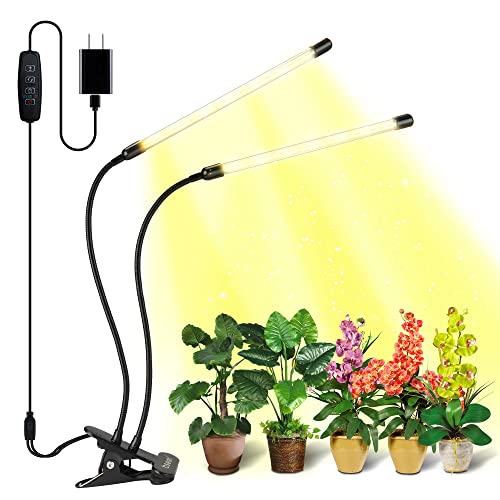
Full Spectrum LED with Yellow and White Combination: Bseah led grow light can promote photosynthesis, germination, growth, flowering and fruiting of plants.
Insufficient Light
Insufficient light significantly affects lettuce growth. Lettuce requires 12 to 16 hours of light daily, especially in the seedling stage. If your plants don’t receive enough light, they stretch toward the light source, resulting in vertical growth. You can solve this by:
- Using grow lights to supplement natural sunlight.
- Positioning plants where they receive adequate sunlight during the day.
- Rotating pots to ensure even light exposure.
Overcrowding In The Garden
Overcrowding can lead to competition among plants. When lettuce plants are too close together, they compete for light, water, and nutrients. This struggle forces them to grow taller in search of resources. To avoid overcrowding:
- Space your lettuce at least 6 to 12 inches apart, depending on the variety.
- Thin seedlings when they reach 2 inches in height to promote healthier growth.
- Monitor growth regularly and adjust spacing as needed.
Nutritional Deficiencies
Nutritional deficiencies directly impact plant development. Lettuce thrives on balanced nutrients, particularly nitrogen. A lack of nitrogen can limit leaf development, causing plants to grow vertically instead of outward. To address nutrient issues:
- Test your soil to check for nutrient levels and pH balance.
- Apply a well-balanced fertilizer rich in nitrogen.
- Use compost to enhance nutrient content in the soil.
By identifying and addressing these factors, you can support more robust and fuller lettuce growth.
Addressing The Issue
To promote healthier growth patterns in your lettuce plants, consider addressing several key factors impacting their development.
Recommended Products
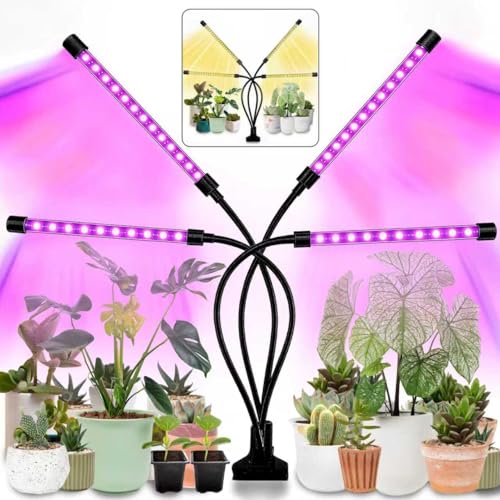
🌻Efficient LED Combination: This LED lamp has grow lights made up of 80 efficient growing LEDs ( 32 red lights, 12 blue lights,20 yellow lights and 16 white lights). It meets the conditions of plant growth without sunlight. 1--Full Spectrum(380nm-800nm): Suitable for all plants to root and sprout. 2--Red(660nm)+BLUE(460nm) Spectrum: for blooming and fruits. 3--Red+Blue+Full Spectrum: A mix of Red+Blue+Warm White is best to fuel the growth of your plants.
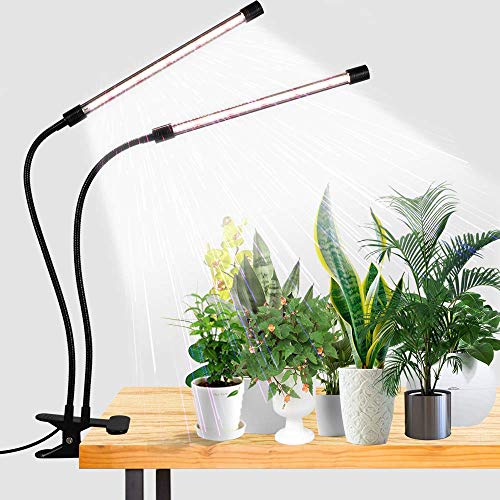
6000K White Light - equipped with 10 Red + 74 White LEDs, this growing Lamp is similar to the full-spectrum sunlight at noon,that is professionally designed for indoor garden plants.Moreover, its color rendering index is as high as 95, the light is soft and flicker-free, which is very suitable for reading lamp

NOTE: The product stand needs to be pressed down by the flower pot to be stable. Not wireless style. 2 Installation Methods: Specially designed plant light for indoor plants, which can be inserted in the soil or stand for lighting.Unique and easy to assemble and disassemble.
Optimizing Light Exposure
Lettuce requires at least 12 to 16 hours of light daily for optimal growth. If your plants lean upward, they might be searching for more light. Inadequate natural sunlight can cause legginess. To counter this, use grow lights with a full spectrum, placing them about 6 to 12 inches above the plants. Ensure they remain on for the recommended duration to encourage more robust growth.
Thinning Out Plants
Overcrowded lettuce plants can become stressed and exhibit upward growth as they compete for space. Ideally, space seedlings 10 to 12 inches apart. If you’ve planted too densely, thin out your plants by removing the weaker ones. This process not only allows remaining plants to absorb more light and nutrients but also promotes better airflow, which can prevent diseases.
Adjusting Soil Nutrients
Nutritional imbalances can contribute to upward growth in lettuce. Soil lacking nitrogen, for example, may cause the plants to stretch for nutrients. Conduct a soil test to assess nutrient levels. If deficiencies exist, consider adding organic fertilizers, such as compost or fish emulsion, rich in nitrogen. Follow the recommended application rates to avoid over-fertilization, which can lead to other growth issues.
Conclusion
Understanding why your lettuce is growing straight up can really help you improve its health and yield. By paying attention to light, nutrients, and spacing you can encourage your plants to grow more evenly and robustly.
Don’t hesitate to experiment with different growing techniques. Adjusting your care routine can make a big difference. With a little patience and observation you’ll be on your way to enjoying a bountiful harvest of delicious lettuce. Happy gardening!
Frequently Asked Questions
What factors influence lettuce growth patterns?
Lettuce growth patterns are influenced by several key factors, including light availability, temperature, nutrient balance, watering practices, and plant spacing. Understanding these elements can help you promote healthier growth in your lettuce plants.
How does light affect lettuce growth?
Light exposure is critical for lettuce growth. Insufficient light can lead to weak plants, while optimal light levels, achieved through natural sunlight or grow lights, enhance growth direction and overall health.
What role does temperature play in lettuce growth?
Temperature significantly impacts lettuce growth. Ideally, lettuce thrives in cooler temperatures between 60°F and 70°F. Extreme heat can cause bolting, while excessively low temperatures may stunt growth.
Why is nutrient balance important for lettuce?
A balanced nutrient supply, especially nitrogen, is vital for healthy lettuce development. Insufficient nutrients can hinder growth direction, leading to problems like upward stretching or poor leaf quality.
How can I optimize watering practices for lettuce?
Proper watering is essential for lettuce. Ensure consistent moisture without waterlogging. Aim for about 1 inch of water per week and adjust based on weather conditions to maintain optimal growth.
What is the significance of plant spacing for lettuce?
Proper spacing allows for adequate airflow and light penetration, preventing overcrowding. Thinning out overcrowded plants can improve growth and promote healthier lettuce leaves.
How can growers encourage robust lettuce growth?
Growers can promote robust lettuce growth by optimizing light exposure, maintaining appropriate temperatures, balancing soil nutrients, implementing effective watering practices, and ensuring proper plant spacing for airflow.
