

Have you ever wondered why your cherry tomato plant is looking a little under the weather? Picture this: you’ve lovingly tended to your plant, hoping for a bountiful harvest, but instead, you notice yellowing leaves and wilting stems. It can be frustrating when your efforts don’t yield the vibrant growth you expected.
In this article, we’ll explore common reasons why your cherry tomato plant might be struggling. By identifying potential issues early on, you can take proactive steps to revive your plant and set it on the path to thriving once again. Stay tuned to uncover practical tips and solutions that will help you nurture your cherry tomato plant back to health.
Key Takeaways
- Yellowing leaves on cherry tomato plants can indicate issues like nutrient deficiencies, overwatering, underwatering, pests, or diseases.
- Wilting and drooping stems may be caused by inadequate watering, extreme temperatures, root-bound conditions, or diseases.
- Common causes of decline in cherry tomato plants include lack of water, overwatering, and nutrient deficiencies like nitrogen, potassium, or magnesium.
- Fungal infections and viral diseases can harm cherry tomato plants; prevention involves good air circulation and using disease-resistant varieties.
- Environmental stressors such as temperature extremes and improper sunlight exposure can affect the health of cherry tomato plants.
- To revive struggling cherry tomato plants, focus on proper watering techniques and optimal fertilization methods for healthy growth.
Common Symptoms of a Dying Cherry Tomato Plant
If you’re noticing signs that your cherry tomato plant isn’t doing well, it’s essential to identify the common symptoms indicating its decline. By recognizing these issues early on, you can take prompt action to help restore your plant’s health.
Yellowing Leaves
Yellowing leaves on your cherry tomato plant are often an indication of underlying problems. This discoloration can result from nutrient deficiencies, overwatering, underwatering, pests, or diseases. To address this symptom effectively:
- Check Soil Moisture: Ensure you’re providing adequate but not excessive water for your plant.
- Inspect for Pests: Look closely for any insects or pests that may be causing damage to the leaves.
- Consider Nutrients: Evaluate if your plant is receiving sufficient nutrients through appropriate fertilization.
Wilting and Drooping
Wilting and drooping stems and leaves are another sign that your cherry tomato plant is in distress. This could be due to various factors such as inadequate watering, extreme temperatures, root-bound conditions, or diseases. Here’s what you can do:
- Adjust Watering Schedule: Make sure you’re watering your plant consistently based on its needs.
- Check Root Health: Examine the roots for any signs of overcrowding or rot that could be affecting the plant.
- Monitor Temperature: Protect your cherry tomato plant from extreme heat or cold which can stress the plant.
By being attentive to these common symptoms and taking proactive measures, you can increase the chances of reviving your struggling cherry tomato plant back to vibrant health.
Potential Causes for the Decline
If you’re wondering why your cherry tomato plant is struggling, here are some potential causes to consider:
Recommended Products

Let our professionally formulated plant food help you grow bigger, juicer and plumper tomatoes in your garden

ORGANIC PLANT FOOD: This liquid fertilizer for tomatoes & vegetables provides nutrients to ensure superior results.

ORGANIC AND OMRI LISTED: Certified organic, 100% natural tomato fertilizer that meets the highest standards for organic farming; OMRI listed for guaranteed quality and environmental friendliness
Lack of Water
Your cherry tomato plant may be showing signs of decline due to a lack of water. Insufficient watering can lead to wilting leaves and dry soil. Make sure to check the moisture levels regularly and water your plant adequately, especially during hot weather.
Overwatering
On the other hand, overwatering can also harm your cherry tomato plant. Excess water can cause root rot, leading to yellowing leaves and a droopy appearance. Ensure proper drainage in your plant container or garden bed and adjust your watering schedule accordingly.
Nutrient Deficiencies
Nutrient deficiencies can contribute to the decline of your cherry tomato plant. Yellowing leaves could indicate a lack of essential nutrients like nitrogen, potassium, or magnesium. Consider using a balanced fertilizer specifically designed for tomatoes to provide the necessary nutrients for healthy growth.
By addressing these potential causes promptly and taking appropriate measures, you can improve the health of your cherry tomato plant and increase its chances of thriving in your garden.
Disease Factors
If your cherry tomato plant is struggling, it could be due to various disease factors affecting its health. Here are some common issues to watch out for:
Recommended Products

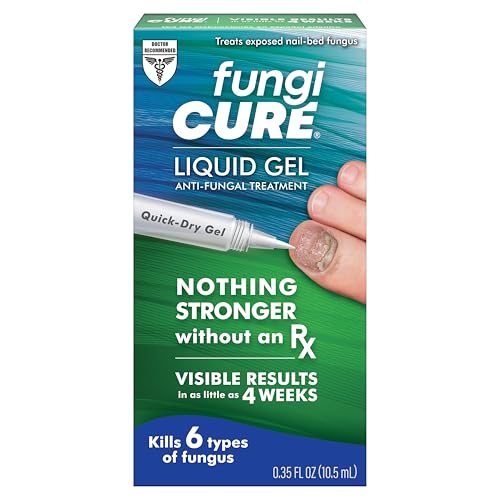
COMPARE YOUR OPTIONS: Compare the effective treatment of FUNGICURE to products like Funginix, Faladi, Fungus Stop, Zane Hellas, Perfect Nail Solution, Buoceans, Manuka Oil, Clotrimazole, First Botany, Kerasal, Bright Pencil, LDreamAM, NailRenew
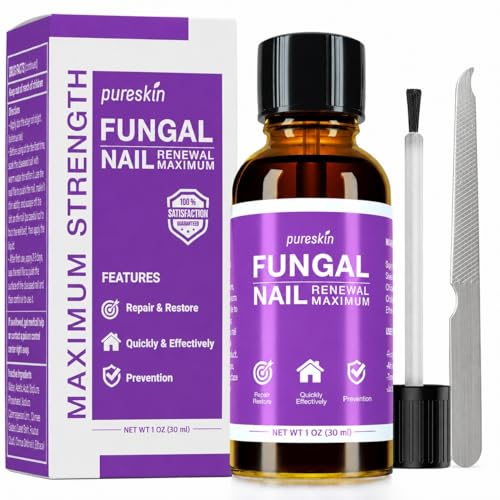
Daily Nail Appearance Care: PureSkin Nail Care Liquid is designed for nails that look thick, rough, uneven, or discolored. With consistent cosmetic care, it helps nails appear neater, smoother, and better groomed.
Fungal Infections
Fungal infections can wreak havoc on cherry tomato plants, causing issues like leaf spots, wilting, or stunted growth. One prevalent fungal infection is Early Blight, which manifests as dark concentric rings on leaves and can spread rapidly if not addressed promptly. To tackle fungal infections, ensure good air circulation around the plant by spacing them adequately and avoiding overhead watering that wets the foliage.
Viral Diseases
Viral diseases are another culprit behind ailing cherry tomato plants. Tomato Yellow Leaf Curl Virus (TYLCV) is a well-known viral disease that causes yellowing and upward curling of leaves, ultimately leading to reduced fruit production. Prevention is key when dealing with viral diseases; consider using disease-resistant varieties of cherry tomatoes and controlling insect vectors like whiteflies that spread these viruses.
By staying vigilant for signs of fungal infections and viral diseases in your cherry tomato plants, you can take proactive measures to protect them from these detrimental disease factors.
Environmental Stressors
If your cherry tomato plant is showing signs of distress, environmental stressors could be the underlying cause. Here are some factors to consider:
Temperature Extremes
Extreme temperatures can negatively impact your cherry tomato plant’s health. High temperatures above 90°F (32°C) can lead to wilting and sunburn, while low temperatures below 50°F (10°C) can cause stunted growth and damage the plant’s metabolism. Ensure your plant is placed in an area with adequate ventilation to prevent heat buildup and protect it from chilly drafts during cold spells.
Inappropriate Sunlight Exposure
Improper sunlight exposure can also harm your cherry tomato plant. Insufficient sunlight may result in leggy growth and poor fruit development, while excessive direct sunlight can scorch the leaves and fruits. Ensure your plant receives at least 6-8 hours of sunlight daily but provide shade during the hottest part of the day to prevent sun damage. Consider using shade cloth or relocating containers to a more suitable spot if needed.
By addressing these environmental stressors promptly, you can help revive your struggling cherry tomato plant and promote its overall well-being in your garden.
Best Practices for Revival and Care
To ensure your cherry tomato plant thrives, follow these best practices for its revival and care.
Recommended Products

Instantly feeds to grow bigger, more bountiful vegetables versus. unfed plants

Contains natural ingredients to feed microbes in the soil

FOR USE ON: Use Tomato-tone organic fertilizer for all types of tomatoes; both heirloom and hybrid. It Produces plump, abundant tomatoes, not unwanted foliage. Can also be used on all vegetables.
Proper Watering Techniques
Water your cherry tomato plant consistently but avoid overwatering as it can lead to root rot. Ensure the soil is moist but not waterlogged by checking the top inch regularly. Adjust watering frequency based on environmental conditions like temperature and humidity.
Optimal Fertilization Methods
Use a balanced fertilizer to provide essential nutrients to your cherry tomato plant. Choose a fertilizer with equal parts nitrogen, phosphorus, and potassium to support healthy growth. Apply the fertilizer according to package instructions, typically every few weeks during the growing season.
By following these proper watering techniques and optimal fertilization methods, you’ll give your cherry tomato plant the care it needs to thrive in your garden.
Conclusion
Your cherry tomato plant’s health is crucial for a bountiful harvest. By understanding the signs of distress and implementing proactive care strategies, you can ensure your plant thrives. From monitoring soil moisture to addressing nutrient deficiencies, each step plays a vital role in maintaining a flourishing cherry tomato plant. Remember to stay vigilant against pests and diseases by promoting good air circulation and selecting disease-resistant varieties. Environmental factors like temperature fluctuations and sunlight exposure also impact your plant’s well-being, so be mindful of these influences. With proper watering techniques and balanced fertilization, you’ll set the stage for robust growth and delicious cherry tomatoes. Keep up with these best practices to enjoy a successful gardening experience with your cherry tomato plants!
Frequently Asked Questions
What are common symptoms of struggling cherry tomato plants?
Common symptoms include wilting leaves, yellowing foliage, stunted growth, and fruit drop.
How can I identify if my cherry tomato plant is struggling early on?
Check soil moisture levels regularly, inspect for pests like aphids or spider mites, and adjust watering frequency based on plant needs.
What are some causes of issues in cherry tomato plants?
Causes include underwatering leading to dry soil, overwatering causing root rot, and nutrient deficiencies from imbalanced fertilization.
How can I prevent diseases in my cherry tomato plants?
Ensure good air circulation around the plants, use disease-resistant varieties when possible, and avoid overhead watering to reduce fungal infections.
What environmental stressors can affect cherry tomato plants?
Temperature extremes can stress the plants, as well as excessive sunlight exposure that can lead to sunscald on fruits.
What are the best practices for caring for cherry tomato plants?
Practice proper watering techniques to avoid overwatering, provide balanced fertilization with essential nutrients, and monitor plant health regularly for early intervention.
