

Have you ever wondered what exactly your tomato plant needs to thrive and produce juicy, ripe tomatoes? Picture this: you’ve put time and effort into caring for your tomato plants, but they just don’t seem to be reaching their full potential. Understanding the specific requirements of your tomato plants can make all the difference in their growth and yield.
In this article, you’ll discover the essential elements that your tomato plant craves to flourish. By knowing how to meet these needs, you can ensure a bountiful harvest of delicious tomatoes in your garden. Stay tuned to uncover the secrets behind nurturing healthy and productive tomato plants effortlessly.
Key Takeaways
- Understanding the different species and varieties of tomato plants is essential for successful cultivation.
- Providing optimal soil conditions, adequate sunlight, and suitable temperatures are crucial for tomato plants to thrive and yield delicious tomatoes.
- Recognizing common diseases like early blight, late blight, and fusarium wilt, as well as pests such as aphids, hornworms, and whiteflies can help in effective management.
- Harvest tomatoes when they reach full color but are still firm to enjoy their full flavor. Experiment with various culinary uses of tomatoes to enhance your meals.
Understanding Tomato Plants
Tomato plants come in various species and varieties, each with its unique characteristics. Understanding these differences is crucial for successful cultivation.
Species and Varieties
Tomato plants belong to the Solanum genus, with the most common species being Solanum lycopersicum. Within this species, there are numerous varieties ranging from cherry tomatoes to beefsteak tomatoes. Each variety has distinct features like size, color, flavor, and growth habits.
Anatomy of Tomato Plants
To care for your tomato plants effectively, it’s essential to understand their anatomy. A typical tomato plant consists of roots, stems, leaves, flowers, and fruits. The roots anchor the plant and absorb nutrients from the soil. Stems provide support and transport water and nutrients throughout the plant. Leaves perform photosynthesis to produce energy for growth. Flowers eventually develop into fruits where the seeds are contained.
By grasping the different aspects of tomato plant anatomy and recognizing the diversity among species and varieties, you’ll be better equipped to nurture your plants for a fruitful harvest.
Optimal Conditions for Tomato Growth
To ensure the thriving growth of your tomato plants and the production of juicy, ripe tomatoes, it’s crucial to understand the optimal conditions they require. By meeting these needs, you can set the stage for a bountiful harvest.
Soil Requirements
For your tomato plants to thrive, they need well-draining soil that is rich in organic matter. A loamy soil type with a pH level between 6.0 and 6.8 is ideal. This ensures proper nutrient uptake and root development.
Light and Temperature Needs
Tomato plants are sun-lovers and require at least 6-8 hours of direct sunlight daily for optimal growth. Ensure they are planted in a location that receives ample sunlight throughout the day. Additionally, maintain temperatures between 65°F to 85°F (18°C to 29°C) during the day and above 55°F (13°C) at night for best results.
By providing your tomato plants with the right soil conditions, adequate sunlight, and suitable temperatures, you’ll create an environment where they can flourish and yield delicious tomatoes for you to enjoy.
Common Issues and Management
If you’re encountering problems with your tomato plants, here are some common issues and how to manage them effectively:
Recommended Products
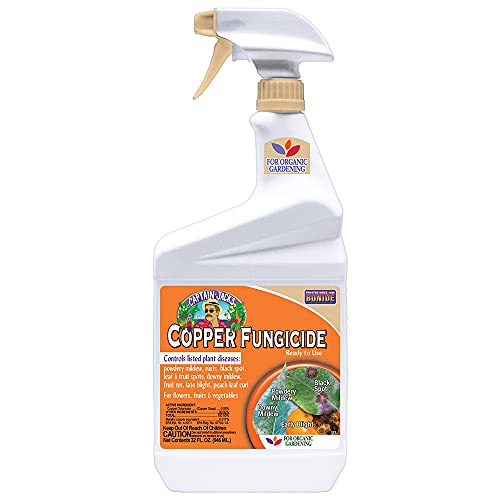
Control fungus and disease in your garden with Captain Jack’s ready-to-use Liquid Copper Fungicide!

Neudorff Copper Fungicide Controls Listed Plant Diseases: Powdery Mildew, Rusts, Black Spot, Leaf & Fruit Spot, Downy Mildew, Fruit Rot, Late Blight, Peach Leaf Curl and Other Listed Diseases.

3-IN-1 PLANT CARE: 3-In-1 Insect, Disease & Plant Mite Control provides insect control, disease control, and plant mite control all in one; Rainproof protection starts in 4 hours and lasts up to 14 days
Diseases Affecting Tomato Plants
Tomato plants can suffer from various diseases that may impact their growth and fruit production. Some common tomato plant diseases include:
- Early Blight: Identified by dark spots on lower leaves, early blight is caused by a fungus. To manage it, remove infected leaves immediately and ensure proper ventilation to reduce humidity around the plants.
- Late Blight: This disease manifests as water-soaked lesions on leaves, leading to rapid plant deterioration. To control late blight, avoid overhead watering, apply fungicides preventively, and promptly remove infected plant parts.
- Fusarium Wilt: Characterized by wilting of foliage despite sufficient watering, fusarium wilt is a soil-borne disease. Rotate crops yearly and choose resistant varieties to mitigate its impact.
By monitoring your tomato plants regularly and taking swift action at the first sign of disease symptoms, you can effectively manage these issues.
Pests and How to Control Them
In addition to diseases, pests can also pose a threat to your tomato plants’ health. Here are some common pests that affect tomato plants:
- Aphids: These tiny insects feed on plant sap and can cause leaf distortion. Control aphids by spraying with insecticidal soap or introducing natural predators like ladybugs.
- Hornworms: Large green caterpillars known as hornworms can defoliate tomato plants rapidly. Handpick these pests or use Bacillus thuringiensis (Bt) for organic control.
- Whiteflies: Whiteflies are small insects that suck sap from leaves, causing yellowing and reduced plant vigor. Use reflective mulch or sticky traps to deter whiteflies from infesting your tomatoes.
Regularly inspect your tomato plants for signs of pest activity and intervene promptly using appropriate control measures to safeguard their health and productivity.
Harvesting and Usage
Harvesting your tomatoes at the right time is crucial to enjoy their full flavor and nutrition. Here’s how to determine when and how to harvest your tomatoes:
When and How to Harvest Tomatoes
To ensure peak ripeness, pick tomatoes when they reach full color but are still firm to the touch. Simply twist or cut them from the vine, being careful not to damage the plant. If you’re unsure about ripeness, look for a slight “give” when gently squeezed.
Culinary Uses of Tomatoes
Tomatoes are versatile ingredients that can elevate various dishes. From fresh salads and sandwiches to hearty sauces and soups, there are countless ways to incorporate tomatoes into your meals. Experiment with different recipes to discover the diverse culinary uses of these vibrant fruits.
Conclusion
You’ve now gained a deeper understanding of your tomato plants’ needs and how to ensure they thrive. By meeting their specific requirements for soil, light, and temperature, you set the stage for a successful harvest. Being aware of common issues like diseases and pests equips you to take proactive measures to protect your plants. Harvesting at the right time enhances both flavor and nutrition in your tomatoes. Remember, the culinary possibilities with tomatoes are endless – from salads to sauces, they can elevate any dish. With regular monitoring and a touch of creativity in the kitchen, you’ll enjoy healthy and flavorful tomatoes all season long.
Frequently Asked Questions
What are the optimal growth conditions for tomato plants?
Tomato plants thrive in well-draining soil rich in organic matter, requiring full sun exposure (6-8 hours daily) and temperatures between 70-85°F for optimal growth.
How can I manage common diseases affecting tomato plants?
To combat diseases like early blight, late blight, and fusarium wilt, practice crop rotation, ensure proper spacing between plants for air circulation, and use disease-resistant varieties when possible.
What are effective strategies to control pests on tomato plants?
Combat pests such as aphids, hornworms, and whiteflies by regularly inspecting plants for signs of infestation, introducing beneficial insects like ladybugs, or using organic insecticidal soap as a natural remedy.
When is the right time to harvest tomatoes for peak flavor and nutrition?
Harvest tomatoes when they reach full color but are still firm to touch. This ensures peak flavor and maximum nutrient content in the fruits.
How can I incorporate tomatoes into my meals creatively?
Explore culinary options by adding fresh tomatoes to salads, sandwiches, sauces, soups, or even grilling them with herbs for a flavorful twist in your dishes.
