

Have you ever planted tomato seedlings with high hopes, only to find them struggling to grow? Picture this: you eagerly plant your seeds, nurture them with care, but weeks go by, and they seem stuck in a growth rut. Frustrating, isn’t it?
Key Takeaways
- Inadequate light exposure can stunt tomato seedling growth; ensure they receive 6-8 hours of sunlight daily or use artificial grow lights.
- Proper watering is crucial; avoid overwatering to prevent root rot and underwatering causing wilting.
- Maintain consistent temperatures between 65-85°F for optimal tomato seedling growth.
- Choose well-draining soil rich in organic matter, check pH levels, and provide proper drainage to support healthy root development.
- Balance nutrients with fertilization, including NPK ratios and micronutrients, to promote robust plant growth.
- Select high-quality seeds from reputable sources and plant at the correct depth for strong seedling development.
Identifying Common Growth Issues in Tomato Seedlings
If you’re wondering why your tomato seedlings are not growing as expected, it’s essential to identify common growth issues that may be hindering their development. Here are some key factors to consider:
Inadequate Light Exposure
Insufficient light exposure is a common issue that can stunt the growth of tomato seedlings. Tomatoes require full sunlight for at least 6-8 hours a day to thrive. If your seedlings are not receiving adequate light, they may become leggy, pale, or fail to grow properly.
To address this problem, ensure that your tomato seedlings are placed in a sunny location or provide artificial grow lights if natural sunlight is limited. Rotate the containers regularly to promote even light distribution and encourage healthy growth.
Improper Watering Practices
Improper watering practices can also impede the growth of tomato seedlings. Overwatering can lead to root rot and fungal diseases, while underwatering can cause wilting and stunted growth. It’s crucial to maintain consistent moisture levels in the soil without allowing it to become waterlogged.
To avoid these issues, water your tomato seedlings deeply but infrequently, allowing the top inch of soil to dry out between watering sessions. Use a moisture meter or check the soil with your finger to determine when watering is needed.
Temperature Fluctuations
Temperature fluctuations can negatively impact the growth of tomato seedlings. These plants thrive in warm temperatures between 65-85°F (18-29°C). Sudden drops or spikes in temperature can stress the seedlings and slow down their growth process.
To mitigate temperature fluctuations, place your tomato seedlings in a draft-free area with consistent temperatures. Consider using a heating mat or adjusting room temperature if necessary to create an optimal growing environment for your plants.
Analyzing Soil and Nutrient Factors
When it comes to the growth of your tomato seedlings, analyzing soil and nutrient factors is crucial. Let’s dive into key aspects that can impact the development of your plants.
Recommended Products
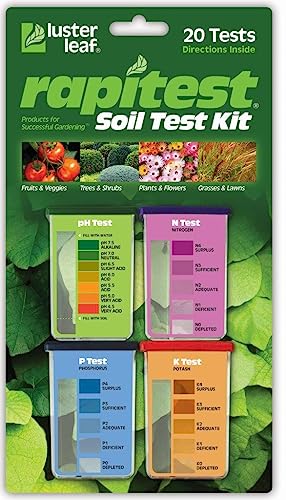
Quick, at home results for Soil pH, Nitrogen, Phosphorous and Potash Innovative and inexpensive soil test kit features an easy-to-use capsule system and patented color comparators

Kindly NOTE: This soil tester can not be applied to test pH value of any other liquid. If the soil is too dry the indicator will not move, and water it before testing.

【4 in 1 function】This is a 4-in-1 multifunctional soil tester.Our soil tester fastly to measure soil moisture, pH, temperature and sunlight to help you take better care of flowers and plants.You can know when you need to water your soil by measuring moisture and pH & Temperature value of the soil and sunlight level of plants with it.
Soil Composition and Drainage
Ensuring the right soil composition and proper drainage is essential for healthy tomato seedling growth. Here’s what you need to consider:
- Soil Type: Opt for well-draining soil mixtures rich in organic matter to provide a conducive environment for root development.
- Acidity Levels: Check the pH levels of the soil as tomatoes thrive in slightly acidic conditions around 6.0-6.8 pH.
- Compaction: Avoid compacted soil that restricts root growth by loosening it regularly with gentle cultivation techniques.
- Drainage: Poor drainage can lead to waterlogged roots, causing stunted growth or diseases; ensure adequate drainage holes in containers or raised beds.
Fertilization and Nutrient Balance
Maintaining a healthy balance of nutrients through proper fertilization is key to supporting robust tomato seedling growth. Consider these factors:
- Nitrogen, Phosphorus, Potassium (NPK): Provide a balanced fertilizer with equal parts NPK (e.g., 10-10-10) or adjust based on specific needs during different growth stages.
- Micronutrients: Supplement with micronutrients like calcium, magnesium, and iron to prevent deficiencies that can hinder plant growth.
- Organic Matter: Incorporate compost or organic fertilizers to enrich the soil naturally and promote overall plant health.
Importance of Seed Quality and Planting Depth
When it comes to ensuring the successful growth of your tomato seedlings, paying attention to seed quality and planting depth is crucial. Here’s why these factors matter:
Choosing High-Quality Seeds
Selecting high-quality seeds sets the foundation for strong and healthy tomato plants. Look for reputable suppliers or sources that offer fresh, disease-free seeds. High-quality seeds have a higher germination rate, leading to more robust seedlings that are better equipped to thrive.
Correct Seedling Depth
Planting your tomato seeds at the correct depth is essential for their growth. A general rule of thumb is to plant seeds at a depth that is about two times the diameter of the seed itself. Planting too shallow can expose the seedling to drying out, while planting too deep may hinder its ability to sprout properly.
By choosing high-quality seeds and ensuring they are planted at the right depth, you give your tomato seedlings a solid start on their journey to becoming flourishing plants.
Pests and Diseases That Hinder Growth
When it comes to your tomato seedlings’ growth, pests and diseases can pose significant challenges. Here are some common issues you might encounter and how to address them effectively.
Recommended Products

3-in-1 FORMULA: Aphid spray for outdoor plants for use on roses, flowers, shrubs and trees to control listed insects, disease and mites
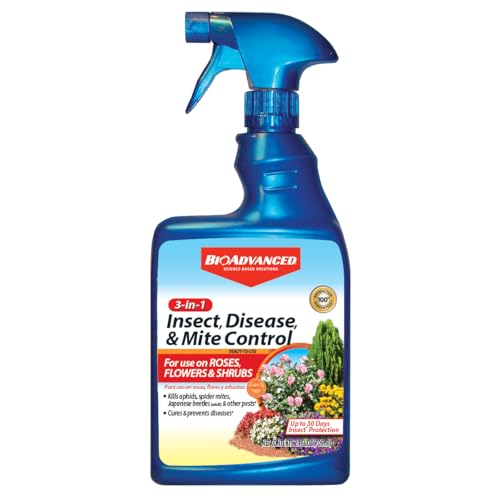
INSECT KILLER: Army worm killer. Also kills insects such as Aphids, Spider Mites, Japanese Beetles, Caterpillars, and other listed insects

Common Pests Affecting Tomato Seedlings
- Aphids: These tiny insects suck sap from plants, causing leaves to curl and distort. To combat aphids, introduce natural predators like ladybugs or use insecticidal soap.
- Whiteflies: Whiteflies feed on plant juices, leading to stunted growth and yellowing of leaves. Use sticky traps or insecticidal sprays to manage whitefly infestations.
- Cutworms: Cutworms cut through young seedlings at the soil level, causing wilting or death. Protect your plants by placing collars around seedlings or using biological controls like nematodes.
- Early Blight: Identified by dark spots with concentric rings on lower leaves, early blight is a fungal disease that can defoliate plants. Remove infected foliage and apply fungicides preventively.
- Late Blight: This disease manifests as water-soaked lesions on leaves, eventually leading to plant collapse. Improve air circulation and avoid overhead watering to prevent late blight.
- Fusarium Wilt: Plants affected by fusarium wilt exhibit yellowing leaves that wilt during the day but recover at night initially; however, they eventually die off completely due to vascular damage caused by the fungus.
Conclusion
Ensuring the optimal growth of your tomato seedlings requires attention to various factors like light exposure, watering, temperature, soil quality, and seed selection. By addressing these key elements diligently, you can set your seedlings on the path to robust development. Remember to provide adequate light, maintain consistent moisture levels in the soil, control temperatures effectively, and choose high-quality seeds planted at the correct depth. Additionally, being vigilant against common pests and diseases will safeguard your seedlings’ progress. With a little care and knowledge applied to these aspects, you can nurture your tomato seedlings into healthy plants ready to flourish in your garden.
Frequently Asked Questions
1. What are common growth issues that affect tomato seedlings?
Tomato seedlings commonly face growth issues like inadequate light exposure, improper watering, and temperature fluctuations.
2. How can I address these growth issues for tomato seedlings?
To address these issues, ensure proper light exposure, consistent soil moisture levels, and control temperature fluctuations.
3. Why is analyzing soil and nutrient factors important for tomato seedling growth?
Analyzing soil composition, drainage, pH levels, and fertilization is crucial to provide optimal conditions for tomato seedling growth.
4. What is the significance of seed quality in growing healthy tomato plants?
Choosing high-quality seeds from reputable sources ensures better germination rates and successful development of healthy tomato plants.
5. How deep should I plant tomato seeds for optimal growth?
Plant tomato seeds at a depth about two times the diameter of the seed to prevent issues like drying out or hindered sprouting.
6. What pests and diseases commonly affect tomato seedlings?
Common pests and diseases that can hinder tomato seedling growth include aphids, whiteflies, cutworms, early blight, late blight, and fusarium wilt.
7. How can I manage pests and diseases affecting my tomato seedlings?
Identify pests and diseases early on to implement effective management strategies like organic pesticides or cultural practices to protect your tomato seedlings.
