

Do you ever find yourself wondering how to get the most out of your San Marzano tomato plants? Picture this: you’ve nurtured your tomatoes with care, but now they’re sprawling uncontrollably. What if there was a simple way to ensure healthier plants and a bountiful harvest?
In this article, you’ll discover the essential techniques for pruning San Marzano tomatoes. By mastering this skill, you’ll not only promote better plant growth but also increase fruit production. Imagine having robust, disease-resistant plants that yield delicious tomatoes all season long.
Key Takeaways
- San Marzano tomatoes are prized for their sweet taste, low acidity, and meaty texture, making them ideal for cooking.
- Pruning is essential for optimal growth and fruit production by removing excess foliage, directing energy towards fruit development, and improving air circulation to reduce disease risks.
- Timing is crucial for pruning San Marzano tomatoes; start when plants are young (4-6 weeks after transplanting), prune at 12-18 inches tall, and watch for suckers forming between the main stem and branches as indicators.
- Tools like pruning shears, gloves, stakes or trellises are necessary for effective pruning techniques such as identifying branches to trim, removing suckers in crotch joints, trimming lower leaves to prevent diseases, ensuring airflow between branches, and regular maintenance throughout the growing season.
- Post-pruning care involves proper watering (1-1.5 inches per week), balanced fertilizing (10-10-10 N-P-K ratio every 2-3 weeks), pest management through inspection and natural remedies like insecticidal soap or beneficial insects, disease prevention by maintaining garden hygiene and using fungicides preventatively.
Understanding the Basics of San Marzano Tomatoes
San Marzano tomatoes are a type of plum tomato known for their elongated shape and rich flavor. They are popular in Italian cuisine, especially for making sauces and canning due to their meaty texture.
What Are San Marzano Tomatoes?
San Marzano tomatoes, originating from the region of Campania in Italy, are prized for their sweet taste and low acidity. These tomatoes have fewer seeds and thicker flesh compared to other varieties, making them ideal for cooking.
The Importance of Pruning
Pruning San Marzano tomato plants is crucial to ensure optimal growth and fruit production. By removing excess foliage and side shoots, you help the plant focus its energy on developing fruit rather than unnecessary leaves. Proper pruning also improves air circulation around the plant, reducing the risk of diseases like blight.
When to Prune San Marzano Tomatoes
Knowing when to prune your San Marzano tomatoes is crucial for their optimal growth and fruit production. By understanding the right time in the growth cycle and recognizing signs that indicate pruning is needed, you can ensure healthy plants and a bountiful harvest.
Recommended Products

【Precision Design】 This tomato corer tool features sharp stainless steel teeth for effortless coring. Use as a strawberry huller to remove stems cleanly. The strawberry corer ensures minimal fruit waste every time.

Ample Quantity for Convenience: the package includes 4 stainless steel strawberry corer tools, ensuring you have enough to meet daily requirements and allowing multiple users to work simultaneously; Designed to simplify the process, this tool facilitates quick and easy removal of stems from a large number of strawberries and tomatoes

Quick Stem Removal: This strawberry huller features serrated teeth that grip the stem area firmly. The tomato corer tool removes cores smoothly without crushing the fruit, making prep work faster and cleaner.
Identifying the Right Time in the Growth Cycle
To determine the best time to prune your San Marzano tomatoes, look for specific stages in their growth cycle. It’s ideal to start pruning when your plants are young, typically around 4-6 weeks after transplanting them into your garden or containers. At this stage, the plants have established themselves and are ready for shaping.
As your tomatoes continue to grow, keep an eye on their development. A good rule of thumb is to prune once they reach a height of about 12-18 inches (30-45 cm) tall. This timing allows you to remove unnecessary foliage and direct the plant’s energy towards fruit production.
Another key indicator for pruning is when you start noticing suckers forming between the main stem and branches. These suckers are small shoots that can divert nutrients away from fruit-bearing branches if left unchecked. Regularly inspecting your plants will help you identify these suckers early on and take action promptly.
Signs That Your Tomatoes Need Pruning
Observing your San Marzano tomato plants regularly will reveal certain signs that indicate they require pruning. One common signal is overcrowding of leaves, which can hinder air circulation around the plant. Poor air circulation increases the risk of diseases such as blight taking hold.
Additionally, if you notice excessive foliage with little to no fruit setting or ripening, it’s a sign that your plants may benefit from pruning. Removing some of the excess foliage will allow sunlight to reach more parts of the plant, aiding in photosynthesis and ultimately leading to better fruit development.
Keep an eye out for any yellowing or wilting leaves as well, as these could be indicative of nutrient deficiencies or other underlying issues that proper pruning can help address. By staying vigilant and responding promptly to these signs, you’ll help maintain strong and productive San Marzano tomato plants throughout the growing season.
How to Prune San Marzano Tomatoes
Pruning your San Marzano tomato plants is essential for their overall health and maximizing your harvest. Proper pruning redirects the plant’s energy towards fruit production and helps prevent diseases by improving air circulation. Here’s how you can effectively prune your San Marzano tomatoes.
Recommended Products

Reduce Hand Strain: These micro tip snips are made to reduces hand fatigue which makes them great for those with arthritis, carpal tunnel, hand or wrist issues; Comfortable “grip” handles will make it easy to work for long-time use without making you feel hand pain

What Makes VT-C800 Unique? Jam-Proof Sealed Spring | Ever-Sharp Dual-Coated SK5 Blades | Easy Thumb Lock | Backed by Lifetime Support

CLEAN CUTS FOR LIVE GROWTH: Bypass blade design is ideal for pruning delicate flower stems and green growth, helping reduce crushing and plant damage while cutting stems and small branches up to 5/8” in diameter
Tools You Will Need
When it comes to pruning your San Marzano tomatoes, having the right tools can make the process much smoother. Here are some tools you’ll need:
- Pruning Shears: Sharp pruning shears are essential for making clean cuts without damaging the plant.
- Gloves: Protect your hands with sturdy gardening gloves to avoid any scratches or irritation.
- Stakes or Trellises: Depending on how you support your tomato plants, stakes or trellises can help guide growth and make pruning easier.
Step-by-Step Pruning Techniques
Follow these step-by-step techniques to prune your San Marzano tomato plants effectively:
- Identify Branches: Look for branches that are overcrowded, yellowing, or blocking airflow within the plant.
- Remove Suckers: Pinch off any suckers that develop in the crotch joint between two branches.
- Trim Lower Leaves: Trim lower leaves that touch the ground to prevent soil-borne diseases from splashing onto the plant.
- Focus on Airflow: Ensure there is ample space between branches to improve airflow and reduce humidity around the plant.
- Regular Maintenance: Continuously monitor your plants throughout the growing season and prune as needed to maintain a healthy structure.
By following these simple steps and regularly tending to your San Marzano tomato plants, you’ll promote vigorous growth, increase fruit production, and enjoy a bountiful harvest of delicious tomatoes.
Caring for Your Tomatoes Post-Pruning
After pruning your San Marzano tomatoes, it’s essential to continue caring for them properly to ensure a bountiful harvest. Here are some key aspects to focus on:
Recommended Products
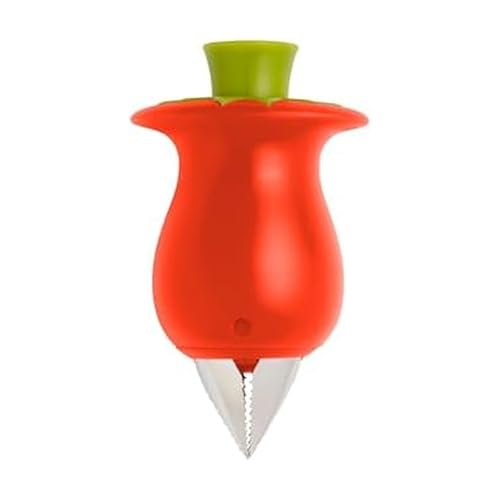
Designed to remove tomato hulls quickly and easily

2 Styles Ample Quantity: You get 4 pcs stainless steel strawberry corer tools in two designs—one for coring tomatoes, one for balling strawberries. This tomato corer tool's set ensures you always have the right tool ready, whether prepping a family fruit salad or garnishing desserts for a party

【Package Content】You will receive 4pcs tomato corer tool(2 red-handle + 2 all-stainless-steel) to meet daily kitchen needs. The compact size (4.53 in / 4.13 in) and hangable holes allows easy storage
Watering and Fertilizing
Keep your tomato plants well-watered, especially during hot weather or dry spells. Ensure the soil is consistently moist but not waterlogged. A general rule of thumb is to provide about 1-1.5 inches of water per week, either through rainfall or manual watering.
When fertilizing your tomatoes post-pruning, opt for a balanced fertilizer with equal parts nitrogen, phosphorus, and potassium (N-P-K ratio of 10-10-10). Apply the fertilizer according to the package instructions, usually every 2-3 weeks during the growing season. Avoid over-fertilizing as it can lead to excessive foliage growth at the expense of fruit production.
Pest Management and Disease Prevention
To protect your tomato plants from pests like aphids, hornworms, and whiteflies, regularly inspect the foliage for any signs of infestation. You can handpick larger pests or use organic insecticidal soap as a natural remedy. Introducing beneficial insects like ladybugs can also help control pest populations in an eco-friendly manner.
For disease prevention, practice good garden hygiene by removing any fallen leaves or debris around the plants promptly. Consider applying a fungicide labeled for tomatoes preventatively if you’ve had issues with diseases like early blight or powdery mildew in previous seasons.
By staying vigilant with watering, fertilizing appropriately, monitoring pests diligently, and preventing diseases proactively post-pruning your San Marzano tomatoes, you’ll set yourself up for a successful growing season with healthy plants and abundant yields.
Conclusion
Pruning San Marzano tomatoes is a crucial step in ensuring healthy plants and maximizing your harvest. By redirecting the plant’s energy towards fruit development and enhancing air circulation, you set the stage for a successful growing season. Remember to start pruning around 4-6 weeks after transplanting and keep an eye out for signs that indicate it’s time to prune. With the right tools and techniques at hand, you can effectively manage your tomato plants’ growth. Post-pruning care, including proper watering, fertilizing, pest control, and disease prevention, is key to maintaining plant health. By following these steps diligently, you’ll be on your way to enjoying bountiful yields of delicious San Marzano tomatoes in no time!
Frequently Asked Questions
When should I start pruning my San Marzano tomato plants?
Start pruning your San Marzano tomato plants around 4-6 weeks after transplanting.
Why is it important to prune San Marzano tomato plants?
Pruning promotes plant health, redirects energy towards fruit development, and improves air circulation to prevent diseases.
What are the signs indicating the need for pruning San Marzano tomato plants?
Look for overcrowded branches, yellowing lower leaves, and excessive foliage blocking sunlight.
What tools do I need for pruning my San Marzano tomato plants?
You will need sharp pruners or scissors for clean cuts and gloves to protect your hands.
How can I effectively prune my San Marzano tomato plants?
Remove suckers below the first flower cluster, maintain one or two main stems, and trim excess foliage as needed.
What care steps should I take post-pruning my San Marzano tomatoes?
Water consistently, fertilize with a balanced fertilizer, monitor pests regularly, and implement disease prevention strategies.
