

Ever wondered why your once vibrant tomato plants are now wilting and turning yellow? Picture this: you’ve lovingly tended to your garden, only to find your prized tomatoes looking sickly. Don’t fret – you’re not alone in facing this common gardening dilemma.
In this article, we’ll explore the reasons behind your tomato plants’ distressing symptoms. By understanding the causes of wilting and yellowing, you’ll be equipped with the knowledge to nurture your plants back to health. Stay tuned to discover practical tips and solutions that will have your tomatoes thriving again in no time.
Key Takeaways
- Inadequate watering and overwatering can both lead to wilting and yellowing in tomato plants.
- Nutrient deficiencies, such as lack of nitrogen, potassium, or magnesium, can cause distress in tomato plants.
- Testing soil pH and ensuring proper drainage are essential for diagnosing and addressing plant health issues.
- Pests like aphids and diseases like blight can contribute to wilting and discoloration in tomato plants.
- Environmental stress factors, such as extreme temperatures and sunlight exposure, play a significant role in plant health.
- Adequate watering techniques and correct fertilizer usage are key strategies to prevent wilting and yellowing in tomato plants.
Common Causes of Wilting and Yellowing in Tomato Plants
If you’re wondering why your tomato plants are wilting and turning yellow, several common causes could be behind these symptoms. Understanding these factors is crucial to revive your plants and ensure they thrive again.
Insufficient Watering
When it comes to tomato plants, not giving them enough water can lead to wilting and yellowing leaves. Inadequate watering deprives the plants of essential moisture, causing them to droop and show signs of distress. To prevent this issue, make sure you water your tomato plants deeply but infrequently, allowing the soil to dry out slightly between waterings.
Overwatering Issues
On the flip side, overwatering your tomato plants can also result in wilting and yellow leaves. Too much water can suffocate the roots, leading to poor oxygen intake and nutrient absorption. This can manifest as wilted foliage with a yellow hue. To avoid overwatering, ensure proper drainage in your plant containers or garden beds and monitor the moisture levels regularly.
Nutrient Deficiencies
Nutrient deficiencies, particularly a lack of essential nutrients like nitrogen, potassium, or magnesium, can cause tomato plants to wilt and develop yellow leaves. These nutrients are vital for plant growth and overall health. If you notice such symptoms in your tomato plants, consider using balanced fertilizers or organic compost rich in these nutrients to address the deficiency effectively.
By addressing issues related to watering practices and nutrient supply promptly, you can help your tomato plants recover from wilting and yellowing, ensuring they continue to flourish in your garden.
Investigating Soil Conditions
When it comes to diagnosing why your tomato plants are wilting and turning yellow, investigating soil conditions is crucial. By understanding the role soil plays in plant health, you can pinpoint potential issues affecting your tomatoes.
Recommended Products

Quick, at home results for Soil pH, Nitrogen, Phosphorous and Potash Innovative and inexpensive soil test kit features an easy-to-use capsule system and patented color comparators

Kindly NOTE: This soil tester can not be applied to test pH value of any other liquid. If the soil is too dry the indicator will not move, and water it before testing.

Accurate Soil pH Testing: Dewildetradingco Soil pH Test Strips offer measurements of soil pH levels (pH 3.5-9). As an essential tool for every gardener and grower, these test strips help determine the optimal pH for various plants, such as outdoor plants, indoor plants, gardens, grass lawns, fruit trees, flowers, vegetables, and forest shrubs.
Testing Soil pH
To start your investigation, test the pH of your soil. The acidity or alkalinity of the soil can impact nutrient availability for the plants. You can use a simple pH testing kit available at gardening stores or online. Aim for a slightly acidic soil pH around 6.0 to 6.8 for optimal tomato growth.
Examining Soil Drainage
Poor drainage can also contribute to wilted and yellowing tomato plants. Waterlogged soil deprives roots of oxygen, leading to stress and nutrient deficiencies in plants. To check if your soil has proper drainage, dig a small hole and fill it with water; it should drain within a few hours. Ensure that your planting containers have adequate drainage holes to prevent waterlogging issues.
By testing the pH of your soil and examining its drainage capabilities, you’ll gain valuable insights into potential causes of wilting and yellowing in your tomato plants. Addressing these soil conditions promptly can help revive your plants and promote healthy growth.
Impact of Pests and Diseases
Pests and diseases can wreak havoc on your tomato plants, causing wilting and yellowing. Identifying and addressing these issues promptly is crucial for the health of your plants.
Recommended Products
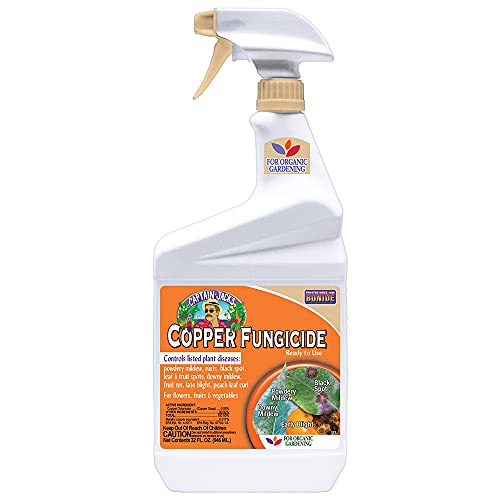
Control fungus and disease in your garden with Captain Jack’s ready-to-use Liquid Copper Fungicide!
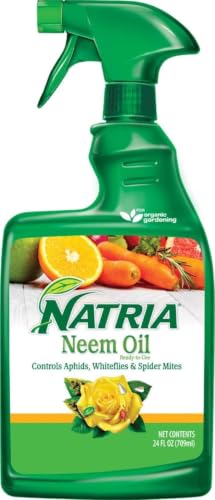
PLANT DISEASE CONTROL: Natria Neem Oil acts as an insecticide and fungicide in one convenient spray; Ready-to-use trigger sprayer requires no mixing

FOR ORGANIC GARDENING: Use in & around the home & home garden on roses, flowers, houseplants, ornamental trees & shrubs, fruits & vegetables
Common Pests
Watch out for common pests like aphids, caterpillars, and spider mites that feed on tomato plants. These pests can suck the sap from the leaves, leading to wilting and yellowing. Keep an eye out for any signs of pest infestation, such as holes in the leaves or visible insects.
Diseases That Affect Tomato Plants
Tomato plants are susceptible to various diseases like blight, fusarium wilt, and powdery mildew, which can cause wilting and discoloration. Ensure proper air circulation around your plants to prevent fungal diseases. Consider using disease-resistant tomato varieties to minimize the risk of infections. Regularly inspect your plants for any signs of disease and take appropriate measures promptly.
Environmental Stress Factors
When it comes to your tomato plants, environmental stress factors play a significant role in their health. Understanding these factors is crucial for ensuring your plants thrive. Let’s explore some common environmental stressors that can cause wilting and yellowing in your tomato plants.
Extreme Temperatures
Extreme temperatures, both hot and cold, can have adverse effects on your tomato plants. High temperatures can lead to wilting as the plant loses water faster than it can absorb it from the soil. On the other hand, cold temperatures can slow down crucial metabolic processes in the plant, causing yellowing of leaves. To mitigate these effects:
- Hot Weather: Provide shade during peak sunlight hours to protect your plants from excessive heat.
- Cold Weather: Consider using row covers or cloches to shield your plants from chilly temperatures.
Improper Sunlight Exposure
Improper sunlight exposure can also contribute to wilting and yellowing in tomato plants. Insufficient sunlight may hinder photosynthesis, leading to yellow leaves and overall poor plant growth. Conversely, excessive sunlight without adequate protection can scorch the leaves and cause wilting. Here’s what you can do:
- Optimal Sunlight: Ensure your tomato plants receive at least 6-8 hours of direct sunlight daily for healthy growth.
- Shade Protection: Use shade cloth or strategically place taller plants to provide partial shade if needed.
By being mindful of extreme temperatures and sunlight exposure, you can create optimal conditions for your tomato plants to flourish and minimize the risk of wilting and yellowing due to environmental stress factors.
Prevention and Remedies
When it comes to preventing wilting and yellowing in your tomato plants, there are a few key strategies you can implement. By following these prevention and remedy tips, you can ensure the health and vitality of your tomato plants.
Adequate Watering Techniques
To prevent wilting and yellowing in your tomato plants, it’s crucial to master adequate watering techniques. Here are some essential tips to help you maintain proper soil moisture levels:
- Water Deeply: Ensure that when you water your tomato plants, you do so deeply to encourage strong root growth.
- Consistent Moisture: Maintain consistent moisture levels in the soil without overwatering or allowing it to dry out completely.
- Mulching: Use mulch around the base of your plants to retain soil moisture and prevent evaporation.
Using Fertilizers Correctly
Proper fertilization is essential for healthy tomato plants. Follow these guidelines to use fertilizers correctly:
- Balanced Nutrients: Choose a balanced fertilizer specifically formulated for tomatoes to provide them with the necessary nutrients.
- Follow Instructions: Always follow the instructions on the fertilizer package regarding application rates and frequency.
- Avoid Over-Fertilizing: Too much fertilizer can harm your plants, so be cautious not to over-fertilize.
By implementing these practices related to watering techniques and fertilizer usage, you can effectively prevent wilting and yellowing in your precious tomato plants. Remember, maintaining a careful balance of water and nutrients is key to ensuring their optimal growth and productivity.
Conclusion
You’ve now learned about the various reasons behind your tomato plants wilting and turning yellow. By understanding the importance of proper watering, nutrient balance, soil health, pest control, and environmental factors, you can take proactive steps to ensure your plants thrive. Remember to deep water correctly, address any nutrient deficiencies promptly, investigate soil conditions regularly, and keep an eye out for pests and diseases. Prevention is key when it comes to maintaining the health of your tomato plants. By implementing these strategies and staying vigilant in caring for your plants, you can enjoy a bountiful harvest of vibrant tomatoes without having to worry about wilting or yellowing issues.
Frequently Asked Questions
What are the common causes of wilting and yellowing in tomato plants?
Wilting and yellowing in tomato plants can be caused by watering issues, nutrient deficiencies, soil conditions, pests, diseases, and environmental stress factors.
How can I prevent wilting and yellowing in my tomato plants?
To prevent wilting and yellowing in tomato plants, focus on deep watering to ensure proper hydration, address nutrient deficiencies through fertilization, investigate soil conditions for optimal growth medium, monitor for pests and diseases regularly, and manage environmental stress factors effectively.
What are some tips for maintaining healthy tomato plants?
Maintain healthy tomato plants by mastering adequate watering techniques to maintain proper soil moisture levels. Use fertilizers correctly to provide balanced nutrients essential for plant growth. Regularly inspect your plants for signs of pests or diseases to address any issues promptly.
