

Ever wondered how deep you should plant your tomato seedlings for optimal growth? Picture this: you’ve carefully nurtured your tomato plants, but are unsure about the right depth for planting. This common dilemma can impact the health and yield of your beloved tomatoes.
In this article, we’ll guide you through the ideal planting depth for tomato plants, ensuring they thrive and produce a bountiful harvest. By understanding the correct depth needed for tomato roots to establish themselves, you’ll set the foundation for robust and fruitful plants in your garden. Let’s explore the simple yet crucial aspect of planting depth that can make a significant difference in your gardening success.
Key Takeaways
- Understanding the root system of tomato plants is crucial for optimal growth and productivity.
- Factors like soil type, climate, and planting depth play key roles in determining the ideal conditions for tomato plants.
- Best practices for planting tomato seedlings include preparing the soil, digging appropriate holes, and backfilling carefully to promote healthy root development.
- Watering practices should focus on consistent moisture without overwatering, deep watering to encourage root growth, and morning watering to reduce disease risks.
- Proper fertilization with balanced nutrients, mulching for moisture retention, and regular soil testing are essential for maintaining healthy tomato plants.
Understanding the Root System of Tomato Plants
When it comes to understanding the root system of tomato plants, there are essential factors that influence their growth and common characteristics to consider.
Factors Influencing Root Growth
Tomato plant roots require adequate space to grow and develop properly. Factors such as planting depth, soil quality, watering frequency, and temperature play crucial roles in determining the health and spread of tomato roots. By ensuring these conditions are optimal, you can promote robust root development for your tomato plants.
Common Root System Characteristics
The root system of tomato plants typically consists of a primary root (taproot) that goes deep into the soil to anchor the plant and absorb water and nutrients. Additionally, tomato plants exhibit fibrous roots that spread horizontally near the surface to maximize nutrient uptake. Understanding these common characteristics can help you gauge how deep your tomato plants need to establish a strong foundation for healthy growth.
Optimal Planting Depth for Tomato Plants
When planting tomato plants, getting the depth right is crucial for their overall health and productivity. Let’s explore the factors that determine the optimal planting depth to ensure your tomato plants thrive.
The Role of Soil Type and Condition
The type and condition of the soil play a significant role in determining the ideal planting depth for tomato plants. Here’s how different soil types can influence your planting decisions:
- Clay Soil: If you have heavy clay soil, which tends to retain water and compact easily, you should plant your tomatoes slightly higher to prevent waterlogging.
- Sandy Soil: In sandy soils that drain quickly, consider planting your tomatoes a bit deeper to provide better stability and moisture retention for the roots.
- Loamy Soil: For loamy soil, which offers good drainage and nutrient retention, aim for a moderate planting depth that allows the roots to establish themselves securely.
Effect of Climate on Planting Depth
Climate conditions also impact how deep you should plant your tomato seedlings. Consider these factors when determining the optimal planting depth based on your local climate:
- Temperature Extremes: In areas with hot climates, plant your tomatoes slightly deeper to protect the roots from excessive heat exposure. Conversely, in cooler regions, a shallower planting depth may help roots access warmth from the surface soil.
- Precipitation Levels: High rainfall areas may require shallower planting depths to avoid waterlogged roots, while drier regions might benefit from slightly deeper plantings to reach moisture reserves deep in the soil.
By understanding how soil type and climate affect optimal planting depths for tomato plants, you can make informed decisions that promote vigorous growth and abundant harvests.
Best Practices for Planting Tomato Seedlings
When planting tomato seedlings, there are essential steps to follow to ensure they thrive and produce a bountiful harvest. Here are some best practices to help you achieve successful growth:
Recommended Products

HELPS REGULATE SOIL MOISTURE: Miracle-Gro Organic Indoor Potting Soil Mix is an organic potting soil that protects indoor plants against over and under watering

Package Include: Plant starter pots package include 60 pack peat pots. Each pot measures 3.15 inches in diamete. Comes with 50 pcs plant labels, and you can use them to mark the seeds in your peat pots

Package Includes: You will get 55 pcs 30mm peat pellets. They are compressed, round in shape and expand when water is added, making them ideal for seed germination
Preparing the Soil
Before planting your tomato seedlings, it’s crucial to prepare the soil properly. Start by loosening the soil in your garden bed to a depth of at least 12 inches. This will allow the roots of the tomato plants to penetrate easily and absorb nutrients efficiently.
Next, enrich the soil with organic matter such as compost or aged manure. Organic matter improves soil structure, retains moisture, and provides essential nutrients for healthy plant growth. Mix the organic matter thoroughly into the soil to ensure an even distribution.
Ensure that the soil has good drainage to prevent waterlogging, which can lead to root rot. If your garden has poor drainage, consider planting in raised beds or adding amendments like perlite or sand to improve drainage.
- Digging Holes: Dig holes for your tomato seedlings that are deep enough to accommodate their root systems comfortably. The general rule of thumb is to plant seedlings so that only the top set of leaves is above ground level.
- Removing Lower Leaves: Before planting, remove any lower leaves on the stem that will be buried underground. These leaves can rot in contact with moist soil and potentially harm your plant.
- Planting Depth: When placing your seedling in the hole, ensure it’s set at an appropriate depth based on its current growth stage. Deeper planting encourages better root development and stability for taller varieties.
- Backfilling: Gently backfill around the roots with soil while holding the plant upright. Tamp down lightly as you go along to remove air pockets but avoid compacting too tightly.
- Mulching: After planting, mulch around each tomato plant with straw or wood chips to help retain moisture, regulate temperature, and suppress weed growth.
By following these best practices when planting your tomato seedlings, you’ll provide them with an optimal environment for growth and maximize their yield potential.
Ongoing Care Tips for Healthier Tomato Plants
When it comes to caring for your tomato plants, there are essential practices you should follow to ensure they thrive. Below are some key tips to help you maintain healthy and productive tomato plants.
Recommended Products

- Support & Guide plants : Our garden flower support can hold plants upright and growing normally, guiding their stems to the right position, preventing vines from spreading and protecting the plants from strong winds, heavy rain and snow. create well ordered borders and keep pathways open, add aesthetic appeal.

1. Package Include:You will get 12 pcs plant support stakes, size measure 6.25"W X 9.8"H.Sufficient quantities to meet your needs
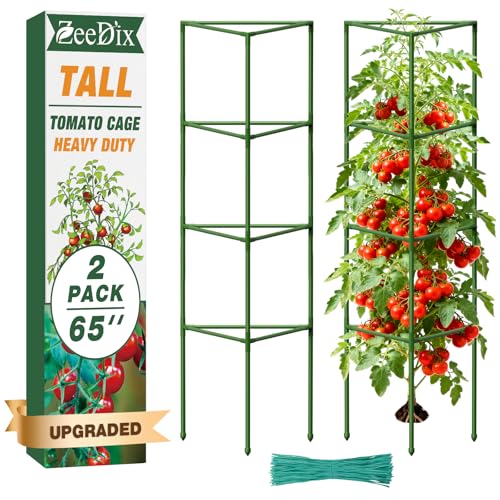
Upgraded package includes : 2 sets of 65" tomato Cage include 42 connecting rods, 6 pointed rods , 6 three-way connector, 18 four-way connector, one bundle of twist ties, and one installation manual.
Watering Practices
Watering is crucial for the growth and development of tomato plants. Here’s how you can optimize your watering practices:
- Consistent Moisture: Ensure your tomato plants receive consistent moisture. Water them regularly, especially during dry spells, but avoid overwatering as it can lead to root rot.
- Deep Watering: When watering, aim to provide deep irrigation rather than frequent shallow waterings. This encourages the roots to grow deeper into the soil, making the plant more resilient.
- Morning Watering: It’s best to water your tomato plants in the morning. This allows excess moisture on leaves to evaporate during the day, reducing the risk of diseases like blight.
Fertilization and Soil Management
Proper fertilization and soil management play a significant role in ensuring your tomato plants get the nutrients they need. Follow these guidelines for optimal results:
- Balanced Fertilization: Use a balanced fertilizer or compost to provide essential nutrients to your tomato plants. Apply fertilizer according to package instructions or based on soil test recommendations.
- Mulching: Mulching around your tomato plants helps retain soil moisture, suppresses weed growth, and regulates soil temperature. Organic mulches like straw or grass clippings work well.
- Soil Testing: Regularly test your soil’s pH levels and nutrient content. Adjust pH levels if necessary using amendments like lime or sulfur to create an ideal growing environment for tomatoes.
By incorporating these watering practices and focusing on proper fertilization and soil management techniques, you’ll be well on your way to cultivating healthy and robust tomato plants that yield bountiful harvests.
Conclusion
Now you know the importance of planting tomato seedlings at the right depth for their growth and productivity. Remember to consider factors like soil quality, watering habits, and local climate when deciding how deep to plant your tomatoes. Pay attention to ongoing care practices such as consistent watering, proper fertilization, and soil management techniques to ensure your plants thrive and produce a bountiful harvest. By following these tips, you’ll be on your way to enjoying delicious homegrown tomatoes all season long!
Frequently Asked Questions
Q: Why is planting tomato seedlings at the correct depth important?
A: Planting tomato seedlings at the correct depth ensures proper root development, leading to healthier plants and higher yields.
Q: How do I determine the optimal planting depth for tomato seedlings?
A: Consider soil type and climate conditions; plant deeper in hot climates and shallower in cooler regions for best results.
Q: What are some watering tips for caring for tomato plants?
A: Water consistently to maintain moisture levels, water deeply, and water in the morning to prevent diseases.
Q: How can I ensure nutrient-rich soil for my tomato plants?
A: Use balanced fertilization, apply mulch, and conduct soil testing regularly to manage soil nutrients effectively.
