

Are you thinking about growing your own lettuce but unsure where to start? You’re not alone. Many home gardeners struggle with finding the perfect spot for their leafy greens. The right location can make all the difference in how lush and tasty your lettuce turns out.
In this article, you’ll discover the ideal environments for growing lettuce, whether you’re working with a backyard garden or a small balcony. You’ll learn about the importance of sunlight, soil type, and climate, helping you set up your garden for success. By the end, you’ll feel confident in choosing the best place to cultivate your fresh, crisp lettuce.
Key Takeaways
- Optimal Conditions: Lettuce thrives best in cooler temperatures between 60°F and 70°F, with well-draining, nutrient-rich soil.
- Best Regions: Ideal locations for growing lettuce include California’s Central Valley in North America, Spain and Italy in Europe, and various climates across Asia.
- Growing Methods: Consider indoor hydroponic systems for faster growth and space efficiency, or greenhouses for controlled environments and extended growing seasons.
- Watering Techniques: Water lettuce consistently, ideally in the morning, using methods like drip irrigation and mulching to maintain moisture.
- Pest Management: Employ regular plant inspections, natural predators, and organic solutions like neem oil to protect lettuce from pests effectively.
- Season Timing: Plant lettuce during cooler seasons, preferably in early spring or fall, for the best yield and flavor.
Understanding Lettuce Growth Requirements
Lettuce thrives in specific conditions that contribute to robust growth and flavor. Understanding these requirements helps determine the best place for your lettuce cultivation.
Climate Conditions
Lettuce flourishes in cooler weather. Ideal temperatures range between 60°F and 70°F. In these conditions, lettuce grows quickly with tender leaves. Once temperatures rise above 80°F, lettuce tends to bolt, turning bitter. To extend the growing season, consider starting seeds indoors or using shade cloth during hot months.
Soil Preferences
Lettuce prefers well-draining soil rich in organic matter. Aim for a pH between 6.0 and 7.0 for optimal nutrient absorption. Adding compost can improve soil structure and fertility. Loose soil allows roots to spread and access moisture. When planting, ensure the soil is consistently moist but not waterlogged to prevent root rot.
Top Regions for Growing Lettuce
Growing lettuce in the right location ensures healthy, flavorful crops. Certain regions offer ideal conditions for lettuce cultivation.
North America
North America offers various climates suitable for lettuce. Areas such as California’s Central Valley provide optimal temperatures and ample sunlight. The cool coastal regions also support lettuce growth during the summer months, preventing bolting.
Key tips for North American lettuce growers include:
- Soil preparation: Use well-draining soil rich in organic matter.
- Season timing: Plant during cooler seasons, preferably in early spring or fall.
- Irrigation methods: Keep soil consistently moist but not soggy.
Europe
Europe hosts a range of climates that favor lettuce growth. Regions like Spain and Italy benefit from mild winters and warm, dry summers. In northern Europe, cooler climates allow for lettuce cultivation during the spring and fall.
Important considerations for European lettuce growers:
- Climate selection: Choose a variety of lettuce suited to your region’s temperature and rainfall.
- Pest management: Implement integrated pest management to protect your crops without harmful chemicals.
- Container gardening: Utilize pots for balcony and rooftop gardens, maximizing space in urban areas.
Asia
Asia provides diverse environments for growing lettuce, from China’s warmer southern regions to the cooler northern areas. Countries like Japan and South Korea embrace both indoor and outdoor farming techniques for year-round lettuce.
Essentials for successful Asian lettuce cultivation:
- Hydroponic systems: Consider hydroponics for a controlled environment, boosting growth significantly.
- Crop rotation: Practice crop rotation to maintain soil health and prevent pests.
- Local varieties: Select regional lettuce varieties to enhance resilience against local climate conditions.
These top regions for growing lettuce offer unique benefits. By understanding the specific needs of each area, you can cultivate thriving lettuce crops with ease.
Indoor Versus Outdoor Growing
Choosing the right environment for growing lettuce involves weighing the options between indoor and outdoor settings. Each method offers unique advantages that cater to different gardeners’ needs and preferences.
Recommended Products

High planting efficiency: Start an indoor herb garden with the Ahopegarden hydroponic growing system, which includes a water reservoir, an overhead LED grow light, and a circulation system that keeps the water fresh. The hydroponic setup and lighting systems allow plants to grow up to faster and healthier in controlled conditions. Simply add plant seeds, water, and nutrients to the reservoir and watch the plants grow

High planting efficiency: Start an indoor herb garden with the Ahopegarden hydroponic growing system, which includes a water reservoir, an overhead LED grow light, and a circulation system that keeps the water fresh. The hydroponic setup and lighting systems allow plants to grow up to faster and healthier in controlled conditions. Simply add plant seeds, water, and nutrients to the reservoir and watch the plants grow

HARVEST ANYWHERE & ANYTIME: Indoor gardening system efficient 24-watt LED grow light simulates optimal effects of sunlight. Technology optimized for plants, herbs garden LED panel can be adjusted to 180° maximum and 21inches maximum height, plants receive more illumination area, maximize photosynthesis, and also more convenient for pruning branch leaves. Hydroponics plants grow 5 times faster than soil, harvest fresh all year round
Hydroponics Advantages
Hydroponics allows for growing lettuce without soil, using nutrient-rich water instead. This method provides several key benefits:
- Faster Growth: Plants thrive in controlled environments, often yielding harvests 25% faster than traditional methods.
- Space Efficiency: You can grow more lettuce in smaller areas, making it ideal for urban gardening.
- No Weeds: Hydroponics eliminates weeds, reducing maintenance and allowing you to focus on your plants.
- Water Conservation: This system uses up to 90% less water compared to traditional farming methods.
Example setups range from simple countertop systems to more advanced vertical gardens, making it easy to find a solution that fits your space and budget.
Greenhouse Benefits
Greenhouses extend the growing season by providing a controlled environment for lettuce cultivation. They offer significant advantages:
- Temperature Control: Greenhouses maintain optimal temperatures year-round, perfect for lettuce which thrives at 60°F to 70°F.
- Protection from Pests: Enclosed spaces shield your crops from pests, decreasing the need for pesticides.
- Consistent Growth Conditions: With regulated light, water, and humidity, you can produce high-quality lettuce consistently.
- Extended Seasons: You can start planting earlier in the spring and continue harvesting later into the fall.
Consider using a small greenhouse for personal use or a larger one if you intend to sell your produce. Both provide greater control over growing conditions, helping ensure healthier plants and bountiful harvests.
Tips for Optimal Lettuce Growth
Maximizing your lettuce growth requires attention to specific techniques and management strategies. Focusing on key factors ensures successful cultivation.
Recommended Products

Convenient and portable storage kit contains 102 professional grade universal Drip irrigation parts
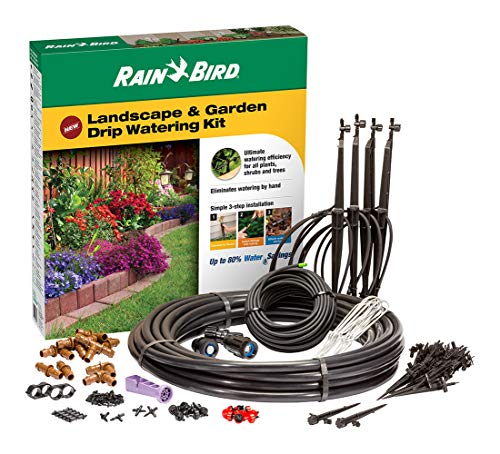
Comprehensive 108-piece kit for flower beds, gardens and landscaped areas; eliminates hand watering, saves time and money

✔Comprehensive Drip Irrigation Kit:MIXC drip irrigation system, equipped with a versatile range of components, caters to all your garden watering needs.Includes essential parts such as 197ft 1/4'' irrigation tube, 33ft 1/2'' irrigation tube, 1/2‘’ Lock Barbed Tee connectors, drip emitter streams, vortex emitters, Blue Mist Nozzles, Quick connection tees, Faucet Connector, and more.
Watering Techniques
Watering lettuce correctly promotes healthy growth. Follow these watering tips:
- Consistency: Water deeply but infrequently, ensuring soil remains moist. Aim for about 1 to 1.5 inches of water weekly.
- Morning Routine: Water in the early morning to minimize evaporation and prevent diseases.
- Drip Irrigation: Consider using a drip irrigation system, which delivers water directly to the root zone. This method reduces water wastage and promotes efficient growth.
- Mulching: Apply a layer of organic mulch around plants to retain soil moisture and suppress weeds.
Pest Management
Preventing pests is crucial for maintaining healthy lettuce plants. Implement these pest management strategies:
- Regular Inspections: Check your plants weekly for pests like aphids, slugs, and caterpillars. Early detection allows for timely intervention.
- Natural Predators: Introduce beneficial insects, such as ladybugs and lacewings, that feed on common pests. This organic approach keeps pest populations in check.
- Companion Planting: Grow companion plants like marigolds or garlic nearby. These plants repel insects and can help protect your lettuce.
- Neem Oil Spray: Use a neem oil solution to deter pests. It’s a natural insecticide that won’t harm beneficial insects when applied correctly.
By applying these techniques, you enhance your chances of growing vibrant, tasty lettuce in your garden.
Conclusion
Finding the best place to grow lettuce can be an exciting journey. By considering factors like sunlight, soil quality, and climate, you can create the perfect environment for your leafy greens. Whether you choose to cultivate them in your backyard or on a balcony, remember that cooler temperatures and well-draining soil are key to avoiding bitterness and ensuring a bountiful harvest.
With the right techniques and a little bit of care, you’ll be enjoying fresh, crisp lettuce in no time. So grab your gardening tools and get ready to watch your lettuce thrive in its ideal spot. Happy gardening!
Frequently Asked Questions
What is the best temperature for growing lettuce?
Lettuce thrives in cooler weather, ideally between 60°F and 70°F. Temperatures above 80°F can cause the leaves to become bitter, so it’s best to plant your lettuce when temperatures are cooler.
How do I choose the right location for my lettuce garden?
Select a location that receives ample sunlight, preferably 6-8 hours a day. Ensure the soil is well-draining and rich in organic matter, with a pH level between 6.0 and 7.0, to support healthy growth.
Can I grow lettuce indoors?
Yes, lettuce can be successfully grown indoors! Utilize containers and ensure they receive adequate light, either from a sunny window or grow lights. Hydroponic systems are also a great option for indoor lettuce cultivation.
What type of soil is best for lettuce?
Lettuce grows best in well-draining soil rich in organic matter. Aim for a pH range of 6.0 to 7.0 to provide the ideal environment for root development and nutrient uptake.
How can I manage pests when growing lettuce?
Regular inspections are key to managing pests. Introduce natural predators, practice companion planting, and consider using neem oil spray as a natural insecticide to protect your lettuce from common pests.
What watering techniques should I use for lettuce?
Water deep but infrequently, aiming for the root zone. It’s best to water in the morning and consider drip irrigation for consistency. Mulching can also help retain moisture and regulate soil temperature.
Where are the best regions to grow lettuce?
In North America, California’s Central Valley is ideal due to its suitable temperatures and sunlight. European regions like Spain and Italy are also suitable. In Asia, diverse climates offer both indoor and outdoor growing options.
What are the benefits of using a greenhouse for lettuce?
Greenhouses provide temperature control, protect against pests, and create consistent growing conditions. These advantages can lead to extended growing seasons and healthier, faster-growing lettuce.
