

Have you ever wondered why your lettuce isn’t thriving like you hoped? One of the biggest challenges in growing this leafy green is getting the watering just right. Too much or too little can lead to wilting or even bitter-tasting leaves.
In this article, you’ll discover the best times to water your lettuce and how to tell when it needs a drink. You’ll learn simple tips to keep your plants healthy and delicious. Whether you’re a seasoned gardener or just starting out, understanding the watering needs of lettuce can make all the difference in your garden’s success.
Key Takeaways
- Watering Timing: Water lettuce early in the morning or late afternoon to reduce evaporation and prevent fungal diseases.
- Growth Stages Matter: Adjust watering techniques based on the growth stage: light and frequent for seedlings, and deeper, less frequent watering for mature plants.
- Soil Type Considerations: Understand how soil type affects watering needs; clay retains moisture while sandy soil drains quickly, requiring more frequent checks.
- Observe Leaf Health: Look for signs like droopy leaves or yellowing edges to determine when to water your lettuce.
- Adapt to Weather Conditions: Monitor weather patterns, as hot, dry days require more frequent watering while cool, cloudy ones need less.
- Utilize Effective Techniques: Leverage methods like soaker hoses, drip irrigation, and organic mulching to optimize watering efficiency and maintain moisture levels.
Understanding Lettuce Growth Stages
Understanding the growth stages of lettuce helps you determine the right times for watering. Proper care during each stage promotes healthy, flavorful plants.
Seedling Stage
During the seedling stage, young plants require consistent moisture. Water lightly but frequently to keep the soil damp but not soggy. Aim for about 1 inch of water per week, adjusting for rainfall. Check the soil daily; if the top inch feels dry, give it a drink. Use a misting spray or gentle watering can to avoid displacement of the seedlings.
Mature Plant Stage
In the mature plant stage, lettuce plants establish deeper roots. Water deeply, allowing the soil to dry slightly between watering sessions. This encourages root growth and improves drought resistance. You can water once or twice a week, aiming for 1 to 2 inches of water per session. Monitor leaves; if they begin to wilt, that’s a sign it’s time to water again. Always water at the base of the plants to prevent fungal diseases.
Maintaining these watering techniques throughout the growth stages ensures that your lettuce remains healthy and delicious.
Factors Affecting Water Needs
Lettuce water needs depend on several key factors. Understanding these factors helps ensure healthy growth and flavorful leaves.
Recommended Products

Trusted Since 2015: Become one of the many plant lovers who rely on the proven accuracy of XLUX. Established in 2015, our soil moisture meter has earned over 60,000+ verified ratings for its consistent performance. While many many newer brands come and go, we provide the long-term reliability and quality that American households have trusted for over a decade.

Accurate Soil Moisture Detection: The XLUX Soil Moisture Meter can tell you if the soil deep inside your pot or garden is dry, moist or wet; whereas your eyes and fingers can only determine the moisture level of the soil surface. The probe is 5.5 inches (14 cm) longer than regular styles, allowing it to measure the soil moisture at the bottom of larger and deeper flower pots.

Kindly NOTE: This soil tester can not be applied to test pH value of any other liquid. If the soil is too dry the indicator will not move, and water it before testing.
Soil Type
Soil type influences water retention and drainage.
- Clay Soil retains moisture well but can lead to overwatering. Aim for a watering schedule that considers this characteristic.
- Sandy Soil drains quickly, requiring more frequent watering. Monitor soil moisture closely, aiming for about 1 inch per week.
- Loamy Soil offers an ideal balance of retention and drainage. Water 1 to 1.5 inches weekly for optimal results.
Check the moisture level by sticking your finger into the soil; if it feels dry 1 inch down, it’s time to water.
Weather Conditions
Weather significantly impacts watering frequency and amount.
- Hot and Dry Weather increases evaporation, requiring more frequent watering. Water early morning or late afternoon to minimize loss.
- Cool and Cloudy Conditions reduce evaporation, allowing for less frequent watering. Check soil moisture and adjust your schedule accordingly.
- Windy Weather can dry out lettuce faster, necessitating increased watering. Pay attention to wind conditions and adjust your watering habits to compensate.
Monitor your local weather patterns, and adapt your watering approach to keep your lettuce thriving.
Signs Your Lettuce Needs Water
Understanding when your lettuce needs water is essential for healthy growth. Pay attention to these key indicators.
Leaf Appearance
Watch for droopy or wilted leaves. When lettuce lacks moisture, leaves may lose their crispness, appearing limp or curled. Additionally, yellowing edges on the leaves signal stress due to insufficient water. Healthy lettuce should have vibrant, lush foliage. If it looks dull or lifeless, it’s time to hydrate.
Soil Moisture Levels
Check the soil moisture regularly. Stick your finger about an inch into the soil. If it feels dry, your lettuce needs water. Another effective method is using a moisture meter; this tool provides precise readings of soil moisture content. Aim for consistently damp soil, ensuring it doesn’t become overly saturated. Adjust your watering schedule based on your observations.
Best Practices for Watering Lettuce
Understanding when and how to water lettuce ensures optimal growth and flavor. Follow these best practices for a healthy crop.
Recommended Products
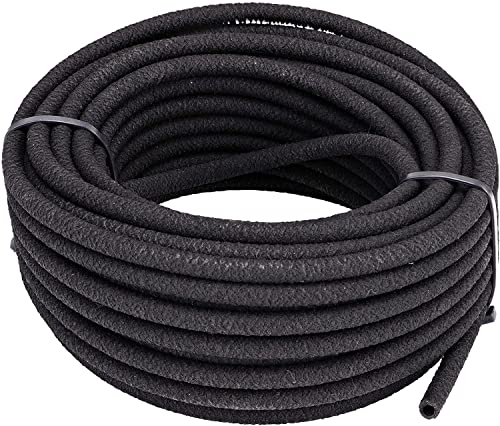
Slowly waters the soil around your plants for complete root zone hydration; Ideal for short runs on flat surfaces, such as vegetable gardens, borders, and around small plants

【Even & Consistent Root Watering】Features micro-pore seepage technology that distributes water evenly along the entire hose, transforming spot watering into uniform line watering directly to plant roots. Unlike traditional drip irrigation systems with clog-prone emitters, this soaker hose creates a continuous moisture band for healthier, deeper-rooted plants

Higher Cost Performance Provide: enough length soaker hoses to get higher cost performance,and our 1/4 " diameter soaker hose set not only include 100 Ft length soaker hose but also include a rich range of accessories for a variety of uses,help you make custom length soaker hoses cheap & easy.
Time of Day
Water lettuce in the early morning or late afternoon. These times help reduce evaporation. Morning watering allows leaves to dry during the day, minimizing disease risk. Evening watering also works but may leave moisture on leaves overnight, increasing fungal issues. Monitor the weather; water less during cooler, overcast days and adjust accordingly on hot, sunny ones.
Watering Techniques
Use the following techniques for effective watering:
- Soaker Hoses: Employ soaker hoses for deep, even watering. These hoses deliver water directly to the soil, reducing waste.
- Drip Irrigation: Consider drip irrigation systems for convenience. They target roots efficiently, maintaining moisture levels without overwatering.
- Hand Watering: Water manually with a hose or watering can if you grow in smaller plots. Aim for the base of the plants to keep foliage dry.
- Mulching: Apply organic mulch to retain soil moisture. Mulch helps regulate temperature and suppress weeds, making watering more efficient.
- Soil Moisture Checks: Regularly check the soil moisture. Insert your finger an inch into the soil to gauge dampness. Water when it feels dry. Alternatively, use a moisture meter for accuracy.
By implementing these practices, you’ll support healthy lettuce growth and enhance its flavor.
Conclusion
Getting the watering right for your lettuce can make all the difference in its health and flavor. By paying attention to the growth stages and adjusting your watering routine accordingly you’ll set your plants up for success.
Don’t forget to consider your soil type and local weather conditions as they play a big role in how much water your lettuce needs. Regularly checking the soil moisture and observing your plants will help you know when it’s time to water.
With a little attention and care your lettuce will thrive and reward you with delicious, crisp leaves. Happy gardening!
Frequently Asked Questions
What are the best times to water lettuce?
Watering lettuce is best done in the early morning or late afternoon. These times minimize evaporation and help prevent diseases by allowing leaves to dry out before nightfall.
How much water do lettuce plants need?
Lettuce typically requires about 1 inch of water per week during the seedling stage. For mature plants, it’s important to provide 1 to 2 inches of water per session, once or twice a week.
How can I tell if my lettuce needs water?
Look for droopy, wilted leaves or yellowing edges, which indicate a lack of moisture. Additionally, check the soil moisture by inserting a finger or using a moisture meter.
What factors affect how much water lettuce needs?
Soil type and weather conditions play significant roles in determining lettuce water needs. Clay soil retains water, while sandy soil drains quickly. Hot temperatures or windy conditions may also increase watering frequency.
What watering techniques are best for lettuce?
Effective watering techniques include using soaker hoses, drip irrigation systems, or hand watering for smaller patches. These methods help ensure deep watering, promoting healthy root development.
How does soil type influence watering for lettuce?
Different soil types affect water retention and drainage. Clay soils retain moisture, requiring less frequent watering, whereas sandy soils drain quickly and often need more regular watering to keep lettuce hydrated.
How can organic mulch help lettuce growth?
Applying organic mulch around lettuce plants helps retain soil moisture, reduces evaporation, and suppresses weeds, contributing to healthier growth and enhanced flavor.
Why is understanding lettuce growth stages important?
Understanding the growth stages of lettuce helps gardeners determine optimal watering times. The watering needs differ significantly between seedlings and mature plants, impacting overall health and flavor.
