

Have you ever wondered where those tiny lettuce seeds come from? You might think they magically appear at the garden center, but there’s a fascinating process behind them. Understanding the origins of lettuce seeds can help you appreciate your salads even more.
Imagine planting your own lettuce and watching it grow from seed to crunchy leaf. Knowing how seeds are produced not only enhances your gardening skills but also connects you to the food you eat. In this article, you’ll discover the journey of lettuce seeds from the plant to your hands, making your gardening experience even more rewarding.
Key Takeaways
- Lettuce Seed Origins: Lettuce seeds are derived from mature lettuce plants that produce flowering stalks, developing seeds after pollination.
- Pollination Process: Pollination occurs through wind and insects, leading to the fertilization of flowers and the subsequent formation of seed heads.
- Harvesting: Collect seed heads once they are fully dried, ensuring the seeds remain viable for planting in future seasons.
- Seed Characteristics: Lettuce seeds are tiny, varying in color from light to dark brown, and can remain viable for several years with proper storage.
- Quality Seed Selection: Choose high-quality seeds from reputable sources, and consider both environmental factors and genetic variability for successful cultivation.
- Sustainable Practices: Understanding the life cycle of lettuce seeds promotes more sustainable gardening, enhancing your connection to the food you grow.
Overview of Lettuce Seeds
Lettuce seeds come from mature lettuce plants. Once the lettuce reaches maturity, it produces flowering stalks. These stalks develop clusters of yellow or white flowers. Each flower can produce several seeds.
Seed Production Process
- Pollination: Lettuce plants rely on wind and insects for pollination. This process occurs when pollen from one flower reaches another flower’s stigma.
- Seed Development: After pollination, the fertilized flowers develop into seed heads. Each head contains multiple seeds.
- Harvesting: When the seed heads dry out, it’s time to harvest. You can cut the stalks and collect the seed heads, allowing them to dry further if needed.
Seed Characteristics
Lettuce seeds are small, typically measuring about 1/16 of an inch in diameter. Their color varies from light brown to dark brown. Seeds can remain viable for several years if stored properly in a cool, dry place.
- Select Quality Seeds: Ensure you choose high-quality seeds from a reputable source.
- Sow at the Right Time: Plant seeds in early spring or fall for the best results.
- Space Seeds Properly: Allow enough space between seeds to promote healthy growth.
Understanding the origin of lettuce seeds enhances your gardening skills. Knowing how to grow and harvest them contributes to a sustainable gardening practice.
Sources of Lettuce Seeds
Lettuce seeds originate from two primary sources: natural environments and cultivated agriculture. Understanding these sources can enhance your gardening practices.
Recommended Products

USDA Certified Organic by Oregon Tilth
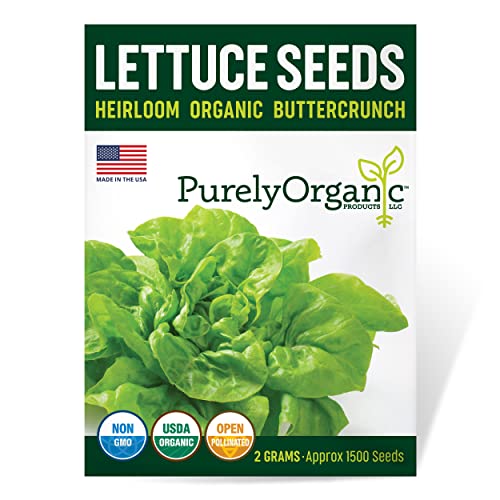
Lactuca Sativa: These finest quality, non-GMO, USDA Organic Buttercrunch Lettuce seeds produce vibrant, green heads of lettuce with mild, sweet, buttery flavored leaves. They’re the most popular of the Butterhead varieties.

The Best Value - Organo Republic Lettuce Iceberg Seeds Pack contains 3g or 3,100 Non-GMO heirloom lettuce seeds. Iceberg Lettuce (Lactuca sativa var. capitata) is known for its crisp texture and mild flavor, making it the perfect addition to fresh vegetable salads or culinary creations.
Natural Sources
Natural sources of lettuce seeds involve wild lettuce plants that grow in various climates. These plants produce flowering stalks, where pollination occurs through wind and insects. The resulting seeds form in dried seed heads. For example, wild species like Lactuca serriola generate seeds that can adapt to local conditions. Collecting seeds from these plants encourages biodiversity and may produce resilient varieties suitable for your garden.
Cultivated Sources
Cultivated sources refer to seeds produced through intentional farming practices. Many commercial seed companies specialize in providing high-quality lettuce seeds, which undergo careful breeding for desirable traits. You can find varieties like Romaine, Butterhead, and Leaf lettuce among these offerings. Look for seeds labeled as organic or non-GMO to ensure a sustainable gardening experience. Local nurseries also provide seedlings, which can be a quick way to start your lettuce garden while ensuring access to healthy plants.
The Process of Seed Production
Lettuce seed production involves a few crucial steps, starting with pollination and ending with seed maturation.
Recommended Products

EASIER SEED STARTING: Our Burpee SuperSeed tray with 8 extra-large flexible pop-out cells is designed to simplify indoor seed starting. Just add seed starting mix, seeds, water and light to get growing! Perfectly sized for starting seeds in the windowsill: 11.5" x 5-3/16" x 2-1/4". Rows are labeled alphanumerically for seedling identification with included Plant-o-Gram diagram.

Self-Watering System: No more over-watering or under-watering! You won't need to water frequently. The bottom of the seedling tray and capillary mat maintain ideal humidity, preventing over-watering or soil drying out. This promotes healthy root development, saves time and effort, and allows you to enjoy the fun of planting with ease.

Pro Grow Lights with Advanced Chips: Equipped with 56 high-efficiency beads per tray, these LED strips simulate natural sunlight for optimal seedling growth. Adjustable brightness and timer functions let you customize lighting for every plant stage, promoting faster, healthier growth—perfect for herbs, flowers, and more
Pollination in Lettuce
Pollination is essential for seed production. Lettuce plants rely on both wind and insects to transfer pollen from male flowers to female flowers. Each flower can produce several seeds once fertilized. Ensuring a diverse plant environment can attract pollinators, boosting pollination rates. To promote this, you can plant a variety of flowering plants nearby. This practice supports not only your lettuce crop but also local biodiversity.
Seed Maturation
After successful pollination, the fertilized flowers develop seed heads. These seed heads grow and mature, typically taking 30 to 40 days after pollination. As they mature, they change color and begin to dry. It’s vital to wait until the seed heads are completely dry before harvesting. Proper timing ensures you collect viable seeds. Store harvested seeds in a cool, dark place to maintain their viability, allowing you to enjoy homegrown lettuce for years to come.
Factors Influencing Seed Quality
Seed quality is crucial for successful lettuce cultivation. Several factors directly affect this quality.
Recommended Products

Miracle-Gro Indoor Potting Mix for Seed Starting grows stronger roots for seeding success (vs unfed when used as directed)


Includes Back to the Roots Compressed Seed Starting Potting Mix that expands to 12qt of soil. A balanced pH, which means it’s truly all-purpose. Use alone or as an amendment for anything in a pot or in the ground — vegetables, flowers, herbs, and even starting seeds.
Environmental Conditions
Environmental conditions significantly impact seed production and quality. Key factors include:
- Temperature: Optimal temperatures between 60°F and 75°F (15°C to 24°C) during flowering enhance seed development. Extreme temperatures can reduce seed viability.
- Moisture: Adequate water availability during seed formation supports plump, healthy seeds. Too much moisture can lead to fungal diseases, while drought stress can hinder seed growth.
- Sunlight: Lettuce plants require plenty of sunlight for robust growth. Insufficient light can result in weaker plants and lower seed production.
You can create the best conditions by planting in well-draining soil and providing sufficient water and nutrients.
Genetic Variability
Genetic variability plays a crucial role in seed quality. Several aspects to consider include:
- Diversity: A genetically diverse population is more robust and adaptable. It enhances the resilience of seeds to pests and diseases.
- Hybrid vs. Heirloom: Hybrid seeds often demonstrate higher yields and uniformity. Heirloom seeds tend to have richer flavors and better adaptability to local conditions.
- Selection Practices: Seed producers who select for specific traits, such as disease resistance or drought tolerance, contribute to high-quality seeds.
Understanding these genetic factors helps you make informed choices when selecting seeds for your garden.
Conclusion
Exploring where lettuce seeds come from opens up a whole new world for your gardening journey. By understanding the seed production process and the importance of pollination you can make informed choices that lead to healthier plants.
Whether you choose seeds from natural sources or cultivated varieties you’re contributing to a sustainable gardening practice. Remember to store your seeds properly and pay attention to environmental conditions for the best results.
With this knowledge in hand you’re now better equipped to grow your own delicious lettuce and enjoy the fruits of your labor. Happy gardening!
Frequently Asked Questions
What is the process of producing lettuce seeds?
The production of lettuce seeds starts with mature plants that generate flowering stalks. These stalks form clusters of yellow or white flowers that, when pollinated by wind and insects, develop into seed heads. After 30 to 40 days, the seed heads mature and dry out, allowing for the harvesting of viable seeds.
How can I improve my gardening skills by understanding lettuce seed origins?
Learning about the origins of lettuce seeds enhances your gardening skills by providing insight into their growth and pollination needs. This knowledge helps you choose the right seeds and create a diverse planting environment, ultimately leading to healthier plants and a deeper connection to your food.
What factors affect the quality of lettuce seeds?
Lettuce seed quality is influenced by environmental conditions such as temperature, moisture, and sunlight. Additionally, genetic variability plays a role, as a diverse seed population is more resilient to pests and diseases. Choosing high-quality and suitable seeds can optimize your gardening success.
Where can I find high-quality lettuce seeds?
You can find high-quality lettuce seeds at local nurseries, garden centers, and online retailers. Look for organic or non-GMO varieties from reputable seed companies to ensure a sustainable gardening experience. Many offer popular types, such as Romaine, Butterhead, and Leaf lettuce.
How should I store harvested lettuce seeds?
To maintain the viability of harvested lettuce seeds, store them in a cool, dark place. Keeping them in airtight containers, away from moisture and light, can prolong their lifespan, allowing you to use them for several years if kept under proper conditions.
