

Have you ever found your garden looking less lush thanks to some unexpected visitors? If you’ve got lettuce plants, you might be wondering if deer are the culprits. These graceful creatures can be a gardener’s nightmare, munching on your hard work without a second thought.
In this article, you’ll learn whether deer actually enjoy lettuce and how to protect your plants from their hungry appetites. Understanding their eating habits can save you from frustration and help you keep your garden thriving. Let’s explore what you need to know to keep those leafy greens safe and sound.
Key Takeaways
- Deer Dietary Habits: Deer are herbivores that mainly eat grasses, leaves, fruits, and nuts, favoring tender and nutrient-rich plants, particularly during spring and summer.
- Lettuce Attraction: Lettuce plants are appealing to deer due to their high moisture content and soft leaves, making them a prime target, especially when other food sources are scarce.
- Protection Methods: Employ effective strategies to protect your lettuce, such as installing tall fencing, using natural repellents, and implementing companion planting with aromatic herbs.
- Seasonal Food Preferences: Deer diets vary by season, with preferences shifting towards fresh growth in spring, fruits in summer, nuts in autumn, and woody plants in winter.
- Types of Lettuce: Common varieties like romaine, butterhead, and iceberg are particularly attractive to deer for their texture and moisture level.
- Natural Deterrents: Using homemade repellents or introducing plants that deer dislike, like lavender or marigolds, can help keep your lettuce plants safe from these foraging animals.
Understanding Deer Diet
Deer are herbivores, primarily consuming a variety of plant materials. Their diet consists of grasses, leaves, fruits, and nuts. They prefer tender, nutrient-rich plants. Deer often graze on new growth in gardens, particularly in spring and summer.
Common Foods
- Grasses: Found in meadows and lawns, grasses provide essential nutrients.
- Fruits: Apples, berries, and acorns attract deer for their sweet flavors.
- Leaves: Deciduous plants yield tender leaves during the growing season.
- Bark: In winter, deer may strip bark from trees for nutrition.
Lettuce Attraction
Lettuce plants, with their leafy greens, can attract deer due to their palatability. If you grow lettuce, expect deer to nibble on them, especially when other food sources are scarce. The moisture and softness of lettuce make it appealing to deer.
Protecting Your Garden
Consider these methods to keep deer from eating your lettuce:
- Fencing: Install deer-proof fencing that stands at least 8 feet tall.
- Repellents: Apply commercial deer repellents or homemade solutions using scents deer dislike, like garlic or hot pepper.
- Companion Planting: Use aromatic herbs like rosemary or sage alongside lettuce to deter deer.
- Motion Detectors: Use motion-activated sprinklers to startle deer away.
By understanding deer diets and implementing preventive measures, you can protect your lettuce and maintain a thriving garden.
Common Vegetation Consumed by Deer
Deer consume various plants, favoring those that are tender and rich in nutrients. Understanding their preferences helps in protecting specific crops in your garden.
Nutritional Preferences
Deer gravitate towards high-nutrient foods that support their health. You’ll often find them nibbling on:
- Grasses: Found in open fields and pastures, grasses like fescue and bluegrass are staples in a deer’s diet.
- Leaves: Tender foliage from shrubs and trees, such as oak and maple, are popular choices.
- Fruits: Seasonal fruits like apples, berries, and pears attract deer for their sweetness.
- Bark: During winter, deer sometimes strip bark from young trees for moisture and nutrients.
Focusing on these plants can help you understand what attracts deer to your garden.
Seasonal Variations
Deer diets shift with the seasons. Their preferences adapt to the availability of food sources:
- Spring: They favor fresh, new growth from plants and shrubs, increasing their intake of leafy greens.
- Summer: Berries and fruits naturally become more accessible, leading deer to consume these during warmer months.
- Autumn: Acorns and fallen fruits are prime targets as deer prepare for winter.
- Winter: Limited food options push deer to eat woody plants, including twigs and bark.
Being aware of these seasonal changes can aid your planning in safeguarding your garden against deer foraging.
Impact of Lettuce Plants in a Deer’s Diet
Lettuce plants impact a deer’s diet significantly, being a preferred choice due to their tender texture and high moisture content. Understanding why these plants attract deer can help you protect your garden effectively.
Recommended Products

TRUSTED BY PROFESSIONALS: For over 20 years, I Must Garden has been the preferred brand of professional gardeners for use in public gardens and resorts. Trusted for its reliability, durability, and pleasant spice scent
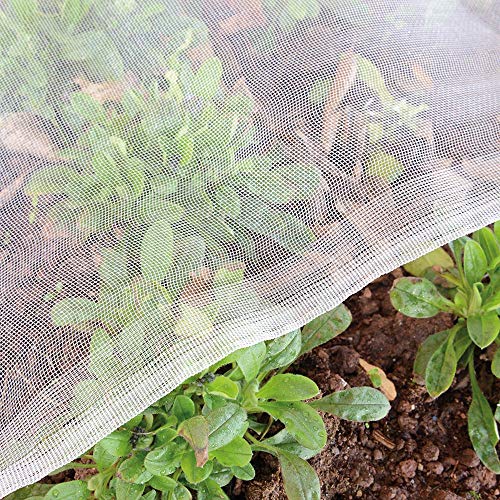
🥬Effective Bug Barrier: Protecting plants and vegetables from a wide range of pest insects and animals, such as cicadas, carrot fly and many species of aphids, you will get a healthier and happier garden
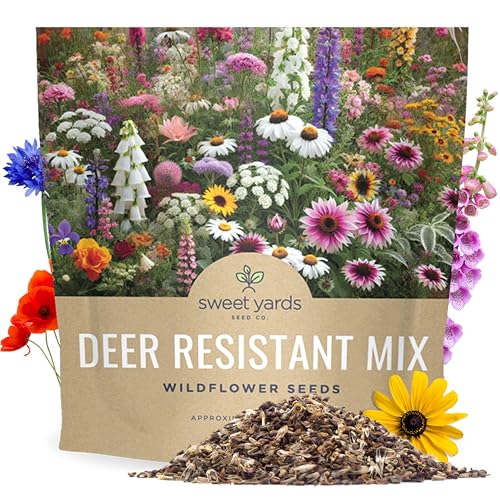
Extra large packet contains over 1 full ounce of pure live seeds (15,000+ seeds!) Enough to cover 100 square feet
Types of Lettuce Plants
Various types of lettuce plants exist, appealing to deer for their soft leaves. Common varieties include:
- Romaine: Known for its firm leaves, romaine contains high moisture and nutrients.
- Butterhead: This variety has a loose leaf structure, making it easy for deer to munch on.
- Iceberg: Crisp and crunchy, iceberg excels in water content, attracting deer’s attention.
Each of these varieties presents unique textures and flavors, enticing deer to browse your garden.
Attractiveness to Deer
Lettuce’s attractiveness to deer stems from its:
- Nutritional Value: Lettuce provides essential vitamins and minerals. Deer benefit from these nutrients, especially in spring and summer.
- Soft Leaves: The tenderness of lettuce leaves makes them easy for deer to consume, unlike tougher vegetation.
- High Moisture Content: Lettuce plants contain around 95% water, appealing to deer seeking hydration.
Due to these factors, lettuce plants become a prime target in your garden. Taking preventive measures can help keep deer away from your greens.
Strategies to Protect Lettuce Plants
Securing your lettuce plants from deer requires effective strategies. Here are some practical methods to keep these foragers at bay.
Fencing Solutions
Fencing forms a reliable barrier against deer. Use sturdy materials like woven wire or stock fencing. Ensure the fence height reaches at least 8 feet, as deer can jump surprisingly high. You may combine a solid bottom with a taller top for added effectiveness. Regular maintenance keeps the fence intact, preventing any breaches.
Consider electric fencing for an added layer of protection. Install energizers with low-voltage wires spaced about 6 to 8 inches apart. This method deters deer while being safe for other wildlife.
Natural Repellents
Natural repellents provide a non-invasive way to protect your plants. You can create your own mixture using ingredients like garlic, pepper, or vinegar. Blend these with water and spray it on the lettuce plants every few days. The strong smell and taste can deter deer from nibbling.
Introduce plants that deer typically avoid. Examples include lavender, marigold, or rosemary around the edges of your garden. Their fragrances may disrupt deer feeding patterns, steering them away from your lettuce.
Lastly, using predator scents can also be effective. Products that mimic the smell of natural predators, like coyotes, urge deer to stay clear of treated areas. Place these strategically near your lettuce to maximize effectiveness.
Conclusion
Knowing that deer have a taste for lettuce can help you make informed choices for your garden. With their love for tender greens it’s essential to take steps to protect your crops. Whether you opt for fencing or natural repellents finding the right strategy can keep your lettuce safe and thriving.
By understanding deer behavior and preferences you can enjoy a flourishing garden without the worry of deer munching on your hard work. With a little effort and the right techniques you can create a beautiful space that’s both inviting for you and unappealing for deer. Happy gardening!
Frequently Asked Questions
What do deer primarily eat?
Deer primarily eat a variety of tender, nutrient-rich plants, including grasses, leaves, fruits, and bark. They particularly enjoy soft foliage, which provides essential nutrients for their diet.
Why do deer like lettuce?
Deer are drawn to lettuce due to its soft leaves, high moisture content, and nutritional value. Different types of lettuce offer textures and flavors that appeal to them, making it a popular food choice.
How does a deer’s diet change with the seasons?
Deer diet varies with the seasons; in spring and summer, they consume more green plants and fruits, while in fall and winter, they rely on woody plants and bark due to limited vegetation.
What are effective ways to protect lettuce from deer?
To protect lettuce from deer, consider using fencing solutions, applying natural repellents like garlic or pepper mixtures, planting deer-resistant plants like lavender, and using predator scents to deter deer.
Can garlic and pepper deter deer?
Yes, garlic and pepper can be effective natural repellents for deer. Spraying mixtures containing these ingredients around lettuce plants can help to minimize deer foraging.
What types of fencing work best for keeping deer out?
Sturdy materials such as welded wire or wooden fences work best to keep deer out. Electric fencing is also an effective option, providing a strong deterrent against deer intrusion.
