

Ever wondered where those vibrant beets on your plate come from? Picture this: you’re at the grocery store, eyeing those ruby-red beauties, but do you know where they were grown? Understanding the origin of your food can add a whole new layer of appreciation to your meals. In this article, we’ll take you on a journey to explore the fascinating world of beet cultivation.
Have you ever pondered the journey of beets from seed to table? From the sun-kissed fields of North America to the lush farms of Europe, beets thrive in various climates worldwide. By uncovering the secrets of where beets are grown, you’ll gain a deeper insight into the global agricultural landscape and the interconnectedness of our food supply chain. Get ready to discover the diverse regions that nurture these versatile root vegetables.
The Origin of Beets
Beets, known for their vibrant colors and unique earthy flavor, have a rich history rooted in agriculture and cuisine. Understanding the origin of beets can provide valuable insights into their cultivation and cultural significance.
Historical Roots
- Beets have been cultivated for over 4,000 years.
- Originating in the Mediterranean region, they were initially grown for their foliage rather than their roots.
Global Spread
- North America and Europe are prominent regions for beet cultivation.
- Beets are adaptable to various climates, allowing for their growth in temperate regions worldwide.
Nutritional Value
- Rich in fiber, vitamins, and minerals, beets offer numerous health benefits.
- Consuming beets in different forms, such as raw or cooked, can enhance nutrient absorption.
Culinary Diversity
- Beets feature prominently in dishes from borscht in Eastern Europe to pickled beets in North America.
- Their versatility extends to both sweet and savory recipes, adding depth and color to meals.
Sustainable Farming
- Beets are resilient crops, requiring minimal water and thriving in diverse environments.
- Supporting local beet farmers promotes sustainable agricultural practices and fosters community resilience.
- Understanding the origin of beets highlights the interconnectedness of the global food system.
- By appreciating where your food comes from, you can make informed choices that support local growers and sustainable food production.
Exploring the Cultivation of Beets
Stay tuned for a closer look at the modern cultivation practices of beets, delving into innovative techniques and trends shaping the beet farming industry.
Beet Cultivation Around the World
When wondering where beets are grown globally, beets are cultivated in various regions across the world. Here’s a glimpse into beet cultivation around the globe:
- North America:
- United States: Major beet-growing states include Minnesota, North Dakota, and California.
- Canada: Alberta and Ontario are prominent beet cultivation areas.
- Europe:
- Russia: One of the leading beet producers globally.
- France: Known for producing sugar beets.
- Asia:
- China: Significant beet producer in the region.
- India: Growing presence in beet cultivation.
- South America:
- Brazil: Notable for its beet production volume.
- Argentina: Emerging as a player in the global beet market.
- Africa:
- Egypt: Traditional beet-growing country.
- South Africa: Increasing interest in beet cultivation.
Understanding the global distribution of beet cultivation sheds light on the widespread popularity and adaptability of this versatile crop.
Beets in North America
Moving on to North America, Minnesota, North Dakota, and California in the United States, along with Alberta and Ontario in Canada, are major areas known for beet cultivation. These regions have favorable climates and soil conditions that support the growth of beets.
Recommended Products

TOP-RATED NUTRITIONAL HEIRLOOM: Detroit Dark Red is a premium, high-yielding, and stress-resistant beet variety that stands at the pinnacle of root vegetables. This all-season favorite is a mid-early universal cultivar, perfect for consistent home harvests of professional quality.

HIGH GERMINATION RATE – PLANT WITH CONFIDENCE: Achieve impressive germination with our Detroit Dark Red Beet seeds, ensuring consistent growth and a rewarding gardening experience for both novice and experienced gardeners. Enjoy a bountiful and healthy harvest.
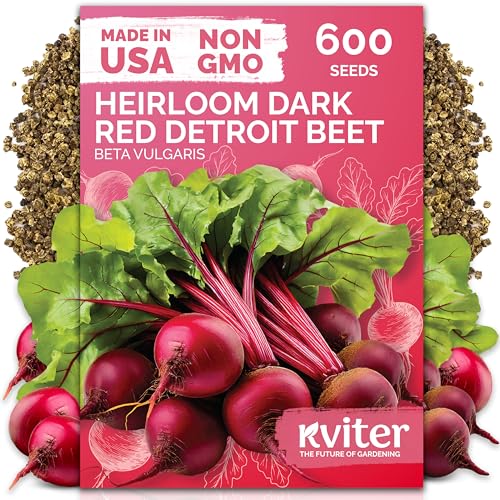
55-60 Day Harvest: Red beet seeds mature fast with tender 2-3 inch roots and sweet classic flavor; sow in loose, well-drained soil at 55-70 °F for best vegetable seeds results.
Beets in Europe
If you’re curious about beet cultivation in Europe, you’ll find that it thrives in various countries across the continent. Here are some key regions where beets are commonly grown:
- France: Known for its sugar beet production, France is a significant player in the European beet farming industry.
- Germany: Germany is another major beet-producing country, with both sugar beets and fodder beets grown extensively.
- Russia: As one of the top beet producers globally, Russia plays a crucial role in meeting the demand for beets.
- Poland: Poland also boasts a notable beet cultivation sector, contributing to the European beet market.
In Europe, beets are cultivated on a large scale due to the favorable climate and soil conditions present in many countries. The rich agricultural heritage of these regions has made Europe a hub for beet production, supporting various industries that rely on beets as a key crop.
Recommended Products
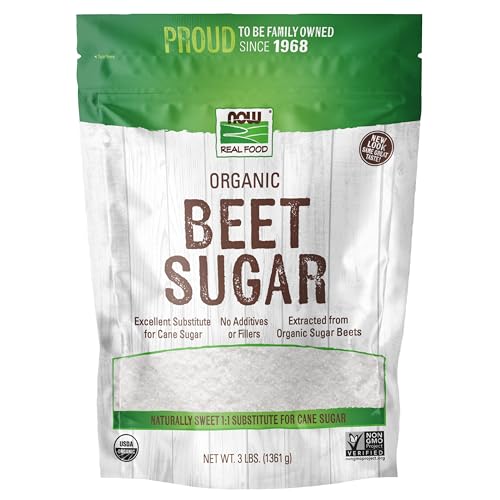
EXCELLENT SUBSTITUTE FOR CANE SUGAR: The hardy sugar beet appears to be one tough tuber, but it's really a soft sweetie on the inside

ANNUAL DEER FOOD PLOT SEED: Sugar Beets are annual forage plants grown for deer food plots, wildlife management, livestock forage, and cover crop use. Ideal for hunters, landowners, farmers, ranchers, and wildlife managers.

Conclusion
Now that you’ve explored the diverse landscapes where beets thrive in Europe, you’ve gained insight into the regions that play a crucial role in beet production. Countries like France, Germany, Russia, and Poland have established themselves as key players in cultivating this versatile crop. Their favorable climates and soil conditions have contributed to a rich agricultural tradition that supports various industries. By understanding where beets are grown, you’ve uncovered the interconnectedness of agriculture and economy in these regions. Keep this knowledge in mind as you savor the next beet dish, knowing the journey these vibrant roots have taken from the fields to your plate.
Frequently Asked Questions
Where does the article elaborate on beet cultivation?
The article expands on beet cultivation beyond North America, with a focus on Europe.
Which European countries are highlighted for beet production?
France, Germany, Russia, and Poland are highlighted for their significant roles in beet production.
What benefits do these regions in Europe have for beet cultivation?
These regions benefit from favorable climates and soil conditions that foster a rich agricultural heritage supporting various industries reliant on beets.
