

Are you excited to see your lettuce seedlings thrive in the garden? Timing is everything when it comes to transplanting them outside. If you wait too long, those little plants can become leggy and weak. If you rush it, they might struggle against the elements.
Key Takeaways
- Transplant Timing: Move lettuce seedlings outside when they reach 3-4 inches tall and have at least two sets of true leaves, typically 2-3 weeks after germination.
- Ideal Conditions: Ensure soil temperature is between 60°F and 70°F (15°C to 21°C) before transplanting to promote healthy root development.
- Weather Considerations: Choose a cloudy day or late afternoon for transplanting to minimize stress on seedlings and protect them from harsh winds.
- Signs of Readiness: Look for seedlings that are the right height (3-4 inches), have developed true leaves and rooted well in their containers before transplanting.
- Post-Transplant Care: Maintain consistent soil moisture and monitor for pests to ensure strong growth after transplanting your lettuce seedlings.
Understanding Lettuce Seedlings
Lettuce seedlings require specific care and attention before they can thrive outdoors. Knowing when to transplant plays a crucial role in their development.
Importance of Timing
Transplanting lettuce seedlings at the right time encourages strong growth and reduces stress. Aim to move your seedlings outside when they reach 3-4 inches in height and develop at least two sets of true leaves. This generally occurs 2-3 weeks after germination. If temperatures drop below 45°F (7°C) at night, wait for warmer conditions. Protecting seedlings from cold helps prevent stunted growth.
Common Varieties of Lettuce
Several lettuce varieties suit different climates and tastes. Understanding your options aids in selecting the best type for transplanting:
- Butterhead Lettuce: Known for its tender, sweet leaves, this variety grows well in cooler temperatures.
- Romaine Lettuce: This variety offers crisp leaves and thrives in moderate conditions, making it a popular choice for salads.
- Leaf Lettuce: Leaf lettuce grows quickly and tolerates various temperatures, perfect for early spring or late summer planting.
- Crisphead Lettuce: Crispheads need more time to mature and fare best in cooler climates.
Selecting the right variety ensures a successful harvest and full flavor. Consider your climate and preferences when choosing which seedlings to grow.
Ideal Conditions for Transplanting
Transplanting lettuce seedlings outdoors requires careful consideration of specific conditions to ensure successful growth.
Soil Temperature
Soil temperature stands as a key factor for transplanting. Aim for a soil temperature between 60°F and 70°F (15°C to 21°C). You can use a soil thermometer to check accurately. If the soil’s too cold, lettuce may experience slow growth or even stress. Waiting for the right temperature promotes robust root development and establishes strong plants.
Weather Considerations
Weather impacts the overall success of your transplanting efforts. Choose a cloudy day or transplant in the late afternoon to minimize transplant shock. Protect seedlings from harsh winds during this crucial time. Additionally, avoid transplanting if a cold snap is forecasted, as temperatures below 45°F (7°C) can hinder growth. Watching the weather forecast helps in making informed decisions about the best timing for transplanting.
Signs That It’s Time to Transplant
Transplanting lettuce seedlings at the right moment promotes healthy growth. Look for these signs to determine when to make the move.
Seedling Growth Indicators
- Height: Seedlings should be 3-4 inches tall. This size indicates strong growth and readiness for transplanting.
- True Leaves: Check for at least two sets of true leaves. These leaves show that the seedlings are developing properly and can thrive outside.
- Root Development: Healthy roots should start to fill their containers. Roots peeking out the drainage holes signal that it’s time to transplant.
- Soil Temperature: Soil temperature must be between 60°F and 70°F (15°C to 21°C). Use a soil thermometer to ensure these conditions before transplanting.
- Frost-Free Date: Ensure the last frost date has passed in your area. Wait for this date to minimize the risk of cold damage to your seedlings.
- Weather Conditions: Look for cloudy days or late afternoons to transplant. These conditions reduce transplant shock and help seedlings acclimate better to their new environment.
Monitoring these indicators makes transplanting lettuce seedlings more successful and sets them up for a hearty growth experience in your garden.
Step-by-Step Transplanting Process
Transplanting lettuce seedlings requires careful preparation and technique. Follow these steps for successful transplanting.
Recommended Products
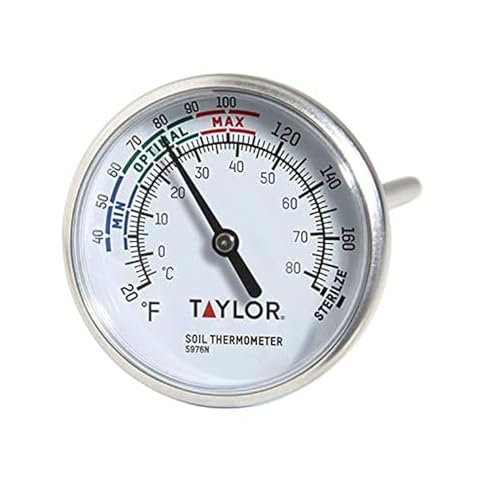
PRECISE SOIL TEMPERATURE READINGS: Measures soil temperatures from 20 degrees F to 180 degrees F (0 degrees C to 80 degrees C) with a large, easy-to-read analog dial face - no batteries or digital screens needed for reliable results every time

Easy-to-read green, yellow, and red tick marks for easy monitoring
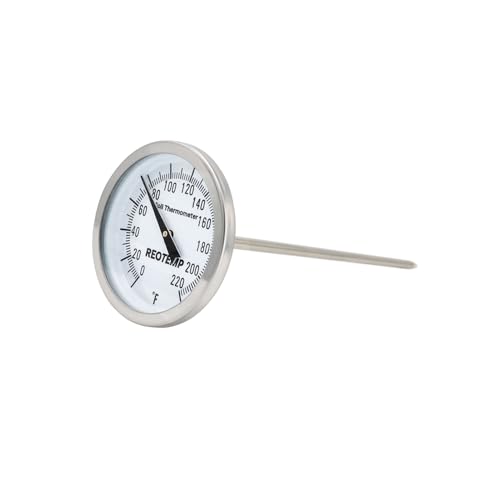
Corrosion Resistant 304 Stainless Steel Case, Bezel and 5" Stem
Preparing the Garden Bed
- Select a Location: Choose a spot with full sunlight. Lettuce thrives in 6-8 hours of direct sunlight daily.
- Clear Weeds and Debris: Remove weeds, rocks, and old plant materials from the garden bed. This step prevents competition for nutrients and reduces pest risks.
- Test Soil: Assess soil pH; it should range from 6.0 to 7.0 for optimal growth. Use a soil test kit to measure pH.
- Amend Soil: Mix in well-rotted compost or organic matter. This adds nutrients and improves soil structure.
- Soil Temperature: Ensure soil temperature is between 60°F and 70°F. A soil thermometer helps check this essential factor.
- Dig Holes: Create holes that are slightly larger than the root ball of the seedlings. Space holes 6-12 inches apart depending on the lettuce variety.
- Water The Seedlings: Water your seedlings thoroughly a few hours before transplanting. Moist roots reduce transplant shock.
- Handle with Care: Gently hold the seedlings by the leaves, not the stems, to avoid damage. Keep the root system intact.
- Place Seedlings: Position each seedling in its hole so that the base of the stem is level with the soil surface. The roots should spread out in the hole.
- Fill Holes: Backfill the holes with soil, gently pressing down to eliminate air pockets. Be cautious not to compact the soil too tightly.
- Water Again: After planting, water the seedlings thoroughly. This encourages the roots to settle into their new environment.
- Mulch: Apply a light layer of mulch around the seedlings. Mulch helps retain moisture and suppress weeds.
By following these steps and techniques, you’ll create the ideal conditions for your lettuce seedlings to thrive in their new outdoor home.
Post-Transplant Care
After transplanting lettuce seedlings, proper care ensures strong growth and healthy plants. Focus on watering, pest management, and environmental considerations to help your seedlings thrive.
Recommended Products

FUNGAL DISEASE CONTROL: Prevents and controls black spot on roses, powdery mildew, rust, downy mildew, and other listed fungal diseases when applied on a 7–14 day schedule
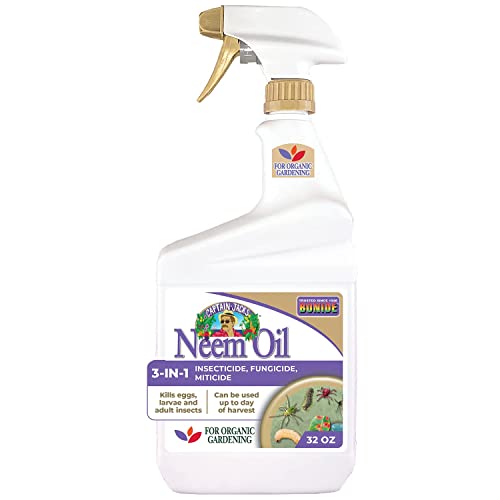
Protect your oasis with 3 garden products in 1 from Captain Jack’s; Bonide Captain Jack’s Ready-to-Use Neem Oil spray for plants is a multi-purpose fungicide, insecticide and miticide for your lawn & garden

READY-TO-USE CONTACT SPRAY: No mixing required. Thoroughly spray insecticide on all plant parts, including the underside of leaves. Pests must be sprayed directly to achieve control
Watering Requirements
Water seedlings immediately after transplanting. Maintain consistent moisture in the soil, aiming for about 1 inch (2.5 cm) of water per week. Check the soil moisture regularly and water more frequently during hot weather. Avoid allowing the soil to dry out completely, as this can stress the plants. It’s also crucial to water early in the day to reduce evaporation and prevent disease.
Pest and Disease Management
Monitor your lettuce for pests like aphids and slugs. Inspect the leaves regularly for any signs of damage. Use organic insecticidal soap or neem oil to treat infestations effectively. To prevent diseases, ensure good air circulation around the plants by avoiding overcrowding. Practice crop rotation annually to lessen the risk of soil-borne diseases, and remove any dead or damaged plant material to keep the garden clean.
Conclusion
Transplanting your lettuce seedlings at the right time is key to a bountiful harvest. By paying attention to their height and leaf development you can ensure they’re ready to thrive in their new environment. Remember to check soil temperatures and protect your seedlings from unexpected cold snaps.
With a little care and attention during the transplanting process and beyond you’ll set your lettuce up for success. Enjoy the journey of watching them grow and savor the fresh flavors of your homegrown lettuce. Happy gardening!
Frequently Asked Questions
When is the best time to transplant lettuce seedlings?
Transplant lettuce seedlings when they are 3-4 inches tall and have at least two sets of true leaves, usually 2-3 weeks after germination. It’s crucial to ensure that the last frost date has passed to avoid cold damage.
What happens if I transplant lettuce seedlings too late?
Transplanting too late can result in weak and leggy plants. Seedlings may not establish well in the garden and may struggle to grow, reducing your overall harvest quality.
What temperature should the soil be for transplanting lettuce?
Ideal soil temperature for transplanting lettuce seedlings is between 60°F and 70°F (15°C to 21°C). Use a soil thermometer to check the temperature before transplanting to ensure optimal growth conditions.
How can I protect my lettuce seedlings from cold temperatures?
To protect your seedlings from cold, wait until nighttime temperatures are consistently above 45°F (7°C). Additionally, consider using row covers or cloches to shield them during unexpected cold snaps.
What are the common varieties of lettuce to consider?
Common lettuce varieties include Butterhead, Romaine, Leaf, and Crisphead. Each variety has different flavors and growth characteristics, so choose one that suits your climate and taste preferences.
What should I do right after transplanting my lettuce seedlings?
After transplanting, water the seedlings immediately to help them settle in. Applying mulch can also help retain moisture and suppress weeds as they establish in their new environment.
How do I manage pests after transplanting lettuce?
Monitor for pests like aphids and slugs after transplanting. Use organic treatments if necessary, and maintain good air circulation and cleanliness in your garden to prevent pest infestations.
How often should I water transplanted lettuce seedlings?
Aim to provide about 1 inch (2.5 cm) of water per week, maintaining consistent soil moisture. Water seedlings immediately after transplanting and adjust based on weather conditions to keep them healthy.
