

Are you ready to enjoy fresh, crisp lettuce from your garden this fall? Timing is everything when it comes to planting lettuce seeds for a successful harvest. If you’ve ever found yourself wondering when to sow those seeds to get the best results, you’re not alone. Many gardeners face this challenge as the seasons change.
Key Takeaways
- Understand Growth Stages: Lettuce has four key stages (germination, seedling, vegetative, and maturity) that influence when to plant seeds for a fall harvest, with maturity typically occurring 6 to 8 weeks after planting.
- Timing is Essential: Count backward from your area’s first expected frost date; most regions should plant lettuce seeds about 8 to 10 weeks prior to frost for optimal growth.
- Climate Zone Considerations: Planting dates vary by climate zone, with ideal ranges from mid-July to early September, depending on your specific zone.
- Soil Preparation Matters: Healthy soil is crucial for robust growth; test and amend your soil for pH balance and nutrient content, incorporating organic matter for improved soil structure.
- Choose Planting Techniques Wisely: Consider direct sowing for minimal handling or transplanting for greater control over early growth, ensuring proper seed depth and spacing for healthy plants.
- Maintain Care and Vigilance: Consistent watering, fertilization, and pest management are critical to support healthy lettuce growth and a successful fall harvest.
Understanding Lettuce Growth Cycles
Lettuce grows through several distinct stages: germination, seedling, vegetative, and maturity. Each stage influences when to plant your seeds for a successful fall harvest.
- Germination: Germination occurs within 7 to 14 days after planting. For successful germination, provide consistent moisture and temperatures between 60°F and 70°F.
- Seedling: During the seedling stage, lettuce develops its first true leaves. This stage lasts about 2 to 4 weeks. Aim for 12 to 16 hours of light daily to encourage healthy growth.
- Vegetative: The vegetative stage is when lettuce grows most rapidly. This period spans 2 to 3 weeks. Water your plants regularly and consider fertilizing with a balanced nutrient solution every 2 weeks.
- Maturity: Maturity happens 6 to 8 weeks from planting. Head varieties mature slower than leaf varieties. Know your variety’s expected maturity time to ensure you harvest before the first frost.
Timing is essential. Count backward from your area’s first expected frost date. For most regions, planting happens about 8 to 10 weeks before frost.
By understanding these growth stages, you can better determine the right planting time for your lettuce, leading to a productive fall harvest.
Ideal Planting Times
Timing plays a crucial role in a successful fall lettuce harvest. Understanding your climate zone and selecting specific planting dates ensures optimal growth.
Climate Zone Considerations
Climate zones significantly affect planting times. Lettuce thrives best in cooler temperatures. Adjust planting dates based on your zone:
- Zone 3: Aim to plant between July 15 and August 1.
- Zone 4: Plant from July 25 to August 10.
- Zone 5: Look to plant between August 1 and August 15.
- Zone 6: Plant from August 15 to August 30.
- Zone 7: Aim for late August to early September.
- Zone 8: Start planting in early September.
- Zone 9: Plant late September for best results.
Understanding these zones helps you adapt your planting strategy based on your local climate.
Specific Planting Dates
Specific planting dates enhance the likelihood of a bountiful harvest. Consider your area’s first expected frost date and count backward 8 to 10 weeks for optimal timing. Use these reference points:
- Frost Date September 15: Plant between July 15 and August 1.
- Frost Date October 1: Plant from August 1 to August 15.
- Frost Date October 15: Plant between August 15 and August 30.
Use these guidelines to ensure your lettuce reaches maturity before the onset of cold weather. Adjust based on your unique location and climate conditions to maximize your harvest.
Preparing Your Garden Soil
Preparing your garden soil is crucial for a successful fall lettuce harvest. Healthy soil contributes to robust plant growth and nutrient absorption. Follow these steps to ensure your soil is ready.
Recommended Products

Quick, at home results for Soil pH, Nitrogen, Phosphorous and Potash Innovative and inexpensive soil test kit features an easy-to-use capsule system and patented color comparators
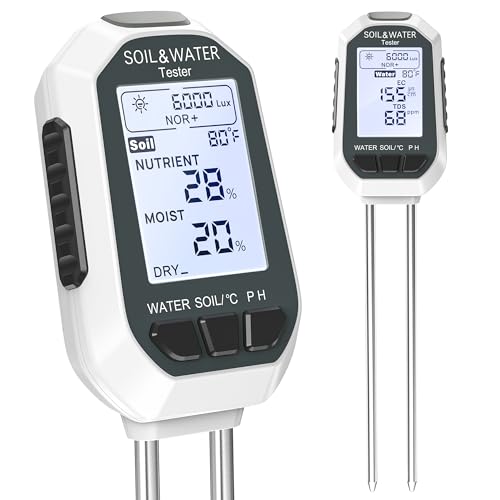
【7-in-1 Features】This is a 7-in-1 multi-function soil tester. Our soil tester quickly measures soil moisture, pH, temperature and light intensity, and its fertility function helps you take better care of your plants. With this device you can measure the soil moisture, pH, temperature and light intensity for your plants and with the EC and TDS functions you will know when it is time to water the soil.

KNOW BEFORE YOU GROW | Grow the healthiest, sustainable lawn and garden with the most accurate and easy to use professional soil test kit on the market
Soil Testing and Amendments
Testing your soil helps determine its pH and nutrient levels. Use a home testing kit or send samples to a local extension office. Optimal lettuce growth occurs in slightly acidic to neutral soil, with a pH between 6.0 and 7.0. Depending on your test results, you might need to add amendments:
- Lime: If your soil is too acidic, add lime to raise the pH.
- Sulfur: If your soil is too alkaline, use sulfur to lower the pH.
- Organic matter: Incorporate compost or well-rotted manure to enhance soil texture and nutrient content.
Mix these amendments thoroughly into the top 6 to 12 inches of soil.
Choosing the Right Location
Selecting the right location impacts plant health and yield. Consider these factors:
- Sunlight: Choose a site that receives at least 6 to 8 hours of direct sunlight daily. This promotes faster growth and better flavor.
- Drainage: Ensure the area has good drainage to prevent waterlogging, which can cause root rot. Avoid low-lying spots where water tends to pool.
- Proximity to water: Plant your lettuce near a reliable water source for easy irrigation during dry spells.
Optimize your garden layout to allow proper airflow and access for maintenance. By preparing your soil and choosing an ideal spot, you set the stage for a fruitful fall harvest of lettuce.
Planting Techniques
Understanding planting techniques helps you maximize your fall harvest of lettuce. Whether you choose direct sowing or transplanting, each method has its benefits.
Recommended Products

Precise Planting Measurement: The foldable plant ruler is designed to provide precise measurements for seed spacing, ensuring optimal growth for a variety of vegetables including carrots, tomatoes, peas, potatoes, and cabbage.

PRECISION SEED SPACING TOOL The Plant Ruler helps gardeners create evenly spaced planting rows for seeds and seedlings, supporting healthier root development and organized vegetable gardens.

Precise Spacing for Better Growth - This seed spacers planting tool helps you mark evenly spaced seed positions and straight planting rows, giving plants more consistent room to grow while improving garden organization and reducing guesswork.
Direct Sowing vs. Transplanting
Direct sowing involves planting seeds directly into the soil. This method suits gardeners who prefer minimal handling. It allows plants to grow naturally in their intended environment. Ideally, sow seeds ¼ to ½ inch deep and 12 to 18 inches apart. This technique saves time and often leads to strong root development.
Transplanting entails starting seeds indoors or in a controlled environment, then moving them outside. This method offers more control over germination and early growth. Start seeds indoors 4 to 6 weeks before your last expected frost date. Once seedlings develop 2 to 3 true leaves, transplant them into the garden. Space them 10 to 12 inches apart for optimal growth and air circulation. Transplanting can lead to earlier harvests, especially in cooler climates.
Seed Depth and Spacing
Proper seed depth and spacing play critical roles in lettuce growth. As mentioned, sow seeds ¼ to ½ inch deep. This depth retains moisture while allowing light to aid germination. For spacing, place seeds 12 to 18 inches apart during direct sowing and ensure 10 to 12 inches apart for transplants. You can thin seedlings to this spacing if they germinate too closely. Adequate spacing improves air circulation, reducing the risk of fungal diseases.
Consider using a ruler or seed spacing tool to maintain consistency. For succession planting, stagger sowing every 2 to 3 weeks for a continuous harvest. This method ensures fresh lettuce throughout the fall season.
Maintaining Lettuce Plants
Maintaining lettuce plants involves consistent care to ensure healthy growth and a bountiful fall harvest. Focus on proper watering, fertilization, and pest management to maximize your success.
Watering and Fertilization
Watering typically requires attention throughout the growth stages. Ensure soil remains consistently moist but not waterlogged, providing about 1 to 1.5 inches of water weekly. Use a soaker hose or drip irrigation to avoid wetting the leaves, reducing the risk of disease.
Fertilization supports lettuce health during critical growth phases. Apply a balanced, water-soluble fertilizer every 2 to 3 weeks. Follow the label’s instructions for the appropriate dilution rates. Incorporate organic options like compost or well-rotted manure for additional nutrients while improving soil structure.
Pest and Disease Management
Pest and disease management plays a crucial role in growing lettuce. Monitor plants closely for common pests like aphids, whiteflies, and snails. Use floating row covers to protect seedlings and introduce beneficial insects, such as ladybugs, which help control pest populations.
Prevent diseases by ensuring proper spacing for air circulation and avoiding overhead watering. Rotate crops annually to reduce soil-borne pathogens. If disease occurs, remove affected plants immediately to minimize spread. For stubborn issues, consider organic treatments, like neem oil or insecticidal soap, applying as directed.
By implementing these maintenance strategies, you set your lettuce plants up for a successful fall harvest.
Conclusion
Getting your lettuce seeds planted at the right time can make all the difference for a successful fall harvest. By paying attention to your local climate and the expected frost dates you can ensure your plants mature just in time.
Remember to prepare your soil and choose a sunny spot to give your lettuce the best chance to thrive. Whether you opt for direct sowing or transplanting each method has its perks and can lead to delicious, crisp lettuce.
With a little care and attention you’ll be enjoying fresh lettuce from your garden well into the fall. Happy gardening!
Frequently Asked Questions
When is the best time to plant lettuce for a fall harvest?
To achieve a successful fall harvest, plant lettuce seeds 8 to 10 weeks before your area’s expected first frost date. For most climates, this typically means planting between mid-July and early September.
What are the growth stages of lettuce?
Lettuce goes through four main growth stages: germination (7-14 days), seedling (2-4 weeks), vegetative (2-3 weeks), and maturity (6-8 weeks). Each stage requires different levels of care and environmental conditions for optimal growth.
How can I prepare my soil for planting lettuce?
Test your soil’s pH and nutrient levels, aiming for a slightly acidic to neutral pH of 6.0 to 7.0. Amend as necessary with lime, sulfur, or organic matter to enhance soil quality for lettuce growth.
Should I direct sow or transplant lettuce seeds?
Direct sowing seeds into the soil is simple and promotes strong root development, while transplanting allows for better control over early growth and earlier harvests. Choose based on your local climate and preferences.
How often should I water and fertilize my lettuce?
Water your lettuce consistently, providing 1 to 1.5 inches weekly while preventing waterlogging. Fertilize every 2 to 3 weeks with a balanced, water-soluble fertilizer or compost to support healthy growth.
What pest management strategies should I use for lettuce?
Monitor for common pests and use protective measures, such as floating row covers and beneficial insects. Regular inspections help in early detection, promoting a healthier crop and successful harvest.
