

Ever wondered when the perfect time is to transplant your carrots for a bountiful harvest? Picture this: you’ve nurtured your carrot seeds with care, and now you’re at a crossroads on when to make the big move. Timing is everything in the world of gardening, and knowing when to transplant your carrots can make all the difference in the success of your crop.
Understanding Carrot Transplanting
Understanding Carrot Transplanting
When transplanting carrots, there are key aspects to consider to ensure a successful transition for your plants.
Location Selection
- Choose a sunny spot with well-draining soil for your carrot transplant.
- Make sure the area has good air circulation to prevent mold growth.
Timing is Key
- Optimal transplant time for carrots is when seedlings are around 3-4 weeks old.
- Ensure the last frost date has passed before transplanting to avoid damage.
Root Handling
- Handle carrot roots delicately to prevent damage during transplantation.
- Water the seedlings before moving them to soften the soil around the roots.
Spacing and Depth
- Plant your carrot transplant at the appropriate spacing to allow for growth.
- Ensure the depth of planting matches the seedling’s original container to avoid stunted growth.
Moisture and Care
- Keep the soil consistently moist, especially in the first few weeks after transplanting.
- Mulch around the plants to retain moisture and regulate soil temperature.
Pest Prevention
- Keep an eye out for pests like carrot rust flies that may target your transplants.
- Consider using row covers or companion planting for natural pest control.
Harvest Readiness
- Monitor your carrot transplants for signs of maturity, such as color and size.
- Harvest when carrots reach the desired size for the best flavor and texture.
- Once your carrots are ready, savor the satisfaction of harvesting your own home-grown produce.
- Use them fresh in salads, stews, or as crunchy snacks – the possibilities are endless!
| Seedling Age | Optimal Transplant Time |
|---|---|
| 3-4 weeks | Ideal for carrot transplants |
| Pest Name | Carrot Rust Flies |
|---|---|
| Commonly Targeted | Carrot plants |
| Prevention | Row covers, companion planting |
Signs of Seedling Readiness
Transplanting your carrots at the right time is crucial for their successful growth. How do you know when your seedlings are ready for transplanting? Here are some signs to look out for:
- True Leaves: Once your carrot seedlings have grown their first set of true leaves, they are usually ready to be transplanted. These leaves are different from the initial seed leaves and indicate that the plant is maturing.
- Healthy Roots: Check the roots of your seedlings for a well-developed and healthy root system. Strong roots are essential for the plant to establish itself in its new location.
- Sturdy Stems: Seedlings with sturdy stems are better equipped to withstand the stress of transplanting. Weak or leggy stems may indicate that the seedlings need more time to strengthen before being moved.
- Optimal Height: Carrot seedlings should be a certain height before transplanting. Typically, they should be around 3-4 inches tall, but this can vary depending on the variety of carrots you are growing.
- Vibrant Color: Healthy seedlings will have a vibrant green color. Avoid transplanting any seedlings that look yellowed or discolored, as they may not thrive in their new environment.
Remember, paying attention to these signs of readiness will help ensure that your carrot transplanting process goes smoothly, setting the stage for a successful harvest down the line.
Selecting the Right Location
When choosing a spot to transplant your carrot seedlings, keep the following factors in mind:
- Sunlight: Aim for a location that receives full sun but can also tolerate some partial shade.
- Soil Quality: Opt for well-draining soil that is loose and rich in organic matter.
- pH Level: Carrots thrive in soil with a pH level between 6.0 and 6.8, so consider testing your soil before transplanting.
- Space: Ensure that there is enough space between each plant to allow for proper root development and growth.
By selecting the right location, you set your carrot seedlings up for success as they continue to grow and mature.
Transplanting Techniques
Transplanting carrots is a key step in ensuring their healthy growth. Here are some techniques to help you with this process:
- Timing: Transplant carrots outdoors when they have developed a couple of true leaves.
- Soil Preparation: Ensure the soil is loose and free from any rocks or debris that could hinder root growth.
- Watering: Keep the soil moist before transplanting to help minimize transplant shock.
- Digging Holes: Dig small holes for each seedling, spacing them according to the variety’s recommended distance.
- Transplanting Carefully: Gently lift the seedling out of its original container, being mindful not to damage the roots.
- Covering Roots: Place the seedling in the hole and cover the roots with soil, firming it gently around the base.
- Spacing: Maintain the appropriate spacing between seedlings to allow for proper growth and root development.
- Aftercare: Water the transplanted seedlings gently after planting to help them settle in their new environment.
Recommended Products

🌱Durable Material: The whole body of the plant transplanting tongs is made of high-quality stainless steel, easy to clean and does not rust, very durable.

VERSATILE SET: Includes 2 essential hand tools - a seedling dibber for making planting holes and a widger for safe transplanting of delicate seedlings
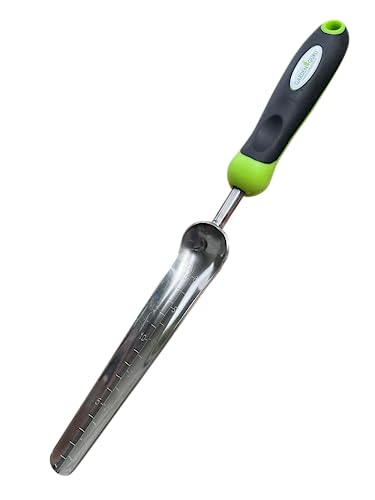
PERFECT SEED PLANTING TROWEL – Narrow edge to easily fit in small spaces. Ideal for planting seeds and transplanting small plants, vegetables, flowers in narrow and hard to reach spaces.
Best Time to Transplant Carrots
Transplanting your carrot seedlings at the right time is crucial for their healthy growth. Here’s a guide to help you determine the best time to transplant your carrots:
- Wait until seedlings are 3-4 inches tall: Transplanting too early can stunt growth, while waiting too long can lead to root-bound plants.
- Check the weather: Aim for a cool, cloudy day or early morning or late afternoon to reduce transplant shock.
- Transplant 2-4 weeks after sowing: Carrot seedlings are typically ready for transplanting 2-4 weeks after sowing the seeds.
- Soil temperature: Ensure the soil temperature is above 50°F (10°C) for optimal transplanting conditions.
- Avoid transplanting during extreme heat: High temperatures can stress the plants; transplant during cooler parts of the day if needed.
- Consider your local climate: Adjust your transplanting time based on your specific climate and growing conditions.
Remember, transplanting at the right time sets the stage for successful carrot cultivation.
Recommended Products

Package include: 1 x Watering Bottle(250ml); 1 x Cleaning Brush; 1 x Pair of Curved Tip Tweezer; 1 x Leaf Trimmer; 1 x Air Dust Blower; 1 x Bucket Shovels; 3 x Transplanting Tools; 3 x Shovel Rake Spades; 1 x Mat (19.7 inch*19.7 inch); 10 x Tags; 5 x planter mesh pads; 2 x Gloves (1Pair).
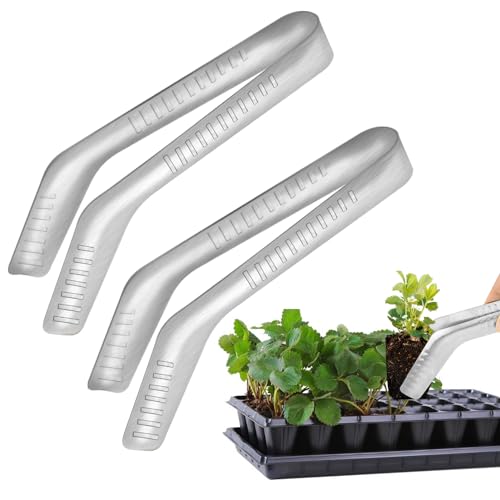
🌱Durable Material: The whole body of the plant transplanting tongs is made of high-quality stainless steel, easy to clean and does not rust, very durable.

12 Piece Succulent Kit For Planting Succulents, Gardening, Bonsai Trees, Cactus, Transplanting and other necessary tools.
Conclusion
Transplanting carrots is a crucial step in ensuring the healthy growth of your seedlings. By following the recommended techniques such as proper timing, soil preparation, and careful handling during transplanting, you set the stage for successful carrot cultivation. Remember to wait until your seedlings are 3-4 inches tall, consider weather conditions, and aim to transplant 2-4 weeks after sowing. Keep in mind the soil temperature and adjust your transplanting schedule accordingly based on your local climate. With these tips in mind, you’re well on your way to a bountiful carrot harvest. Happy gardening!
Frequently Asked Questions
When is the best time to transplant carrot seedlings?
The best time to transplant carrot seedlings is when they are 3-4 inches tall. Wait until the weather conditions are suitable, typically 2-4 weeks after sowing. Ensure the soil temperature is above 50°F and avoid extreme heat. Adjust the transplanting time based on your local climate for successful carrot cultivation.
What are some key transplanting techniques for carrot seedlings?
Ensure proper timing, soil preparation, watering, digging adequate holes, careful transplanting to avoid root damage, covering roots with soil, maintaining appropriate spacing between seedlings, and providing aftercare through gentle watering post-transplanting. These techniques are crucial for the healthy growth of carrot seedlings.
