

Ever wondered how to grow your own delicious, crunchy carrots right in your backyard? Picture this: you stroll through your garden, pluck a vibrant carrot from the earth, and savor its fresh, sweet taste. Exciting, right? In this article, you’ll discover the simple yet rewarding art of seeding carrots.
Have you ever bought carrots from the store only to find them lacking in flavor or freshness? It’s a common dilemma, but fret not! By learning how to seed carrots, you’ll have access to a continuous supply of homegrown goodness. From vibrant orange to purple hues, you can cultivate a rainbow of carrots to elevate your culinary creations.
Get ready to unlock a world of flavor and nutrition as you master the art of seeding carrots. With our easy-to-follow guide, you’ll soon be enjoying a bountiful harvest of these versatile veggies, straight from your own garden.
Benefits of Growing Carrots at Home
When it comes to cultivating your own supply of fresh and nutritious carrots in your backyard, the benefits are truly rewarding. Here’s why growing carrots at home can be a fantastic addition to your gardening endeavors:
- Superior Quality: With homegrown carrots, you have full control over the growing process, ensuring that your carrots are free from harmful pesticides and chemicals.
- Flavorful Delights: Freshly harvested carrots are unmatched in flavor compared to store-bought ones. The crisp and sweet taste of homegrown carrots will elevate your meals.
- Variety: You have the freedom to choose from a wide range of carrot varieties, from classic orange to purple and white.
- Cost-Effective: Growing carrots at home can save you money in the long run, especially if you use them regularly in your cooking.
- Sustainable Option: By growing your own carrots, you contribute to reducing your carbon footprint.
- Educational Experience: Cultivating carrots teaches you about patience, responsibility, and the wonders of nature.
Embrace the joys of reaping a plentiful harvest of vibrant carrots right from your garden, and savor the satisfaction of enjoying your homegrown produce.
Choosing the Right Carrot Seeds
When selecting carrot seeds, consider the following factors:
- Variety: Choose from an array of carrot types such as Nantes, Imperator, or Chantenay based on your preference for flavor, size, and shape.
- Climate: Opt for varieties that thrive in your specific climate zone for successful growth.
- Soil Quality: Select seeds that are suitable for your soil type to ensure healthy development.
- Container vs. Ground Planting: Decide if you’ll be planting them in containers or directly in the ground as this can influence your seed choice.
Before purchasing, research different seed options to find the perfect match for your garden.
Recommended Products

Sweet Scarlet Nantes Roots - Grow orange, nearly coreless carrots with a tender bite and classic cylindrical shape. Harvest roots around 6-7 inches for fresh garden snacks, salads, roasting, soups and juicing.
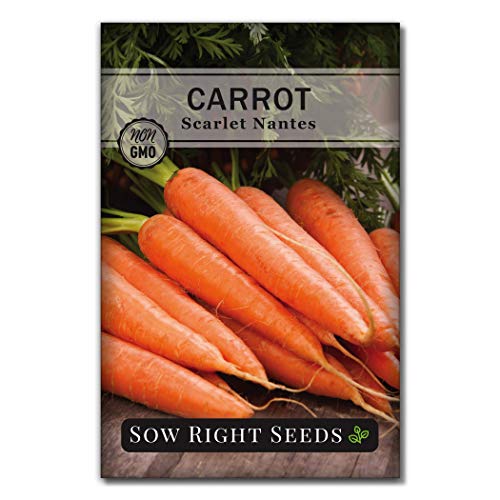
Beautiful - Full color packet of Scarlet Nantes Carrot (Daucus var. 'Scarlet Nantes') Seed. Bright red-orange, fine-grained brittle flesh that is nearly coreless with a fine very sweet flavor. Colors up early for little mini baby carrots. Minimum of 800 mg per packet (about 450 seeds).

Trusted Quality - We provide premium Scarlet Nantes carrot seeds - an open-pollinated heirloom variety with high germination rates. Each seed is rigorously tested to ensure reliable sprouting, allowing you to cultivate a healthy, rewarding carrot harvest season after season.
Preparing the Soil for Planting
- Clear the Area: Remove any weeds, rocks, or debris from the planting site.
- Loosen the Soil: Use a garden fork or tiller to break up compacted soil. Carrots thrive in loose, well-draining soil.
- Add Compost: Incorporate organic matter like compost to improve soil structure and provide essential nutrients.
- Test the pH: Carrots prefer slightly acidic to neutral soil. You can test your soil’s pH with a home testing kit.
- Ensure Drainage: Carrots don’t like wet feet. Make sure the soil has good drainage to prevent rotting.
- Consider Raised Beds: If your soil is poor quality, raised beds filled with a well-balanced soil mix can be a great alternative.
Seeding Carrots in Your Garden
When seeding carrots in your garden, it’s important to choose the right time. Carrots prefer cooler temperatures, so plant them in early spring or late summer for best results.
To prepare the soil, ensure it’s free of debris and rocks. Loosen the soil deeply to encourage carrot growth and allow for proper drainage.
Consider the spacing between seeds. Carrots need room to grow, so sow them thinly about 1/2 inch deep and 1 inch apart.
Keep the soil consistently moist after planting. Carrots need even watering to prevent splitting or cracking.
Mulch around the seedlings to retain moisture and keep weeds at bay. This will help maintain soil temperature as well.
Remember to thin out the seedlings once they sprout. Space them 3 inches apart to allow carrots to develop fully.
For better germination, cover the seeds with a light layer of straw or compost after planting.
Continue to monitor the soil moisture and weed regularly to give your carrot seeds the best chance at flourishing.
| Important Information | |
|---|---|
| Best Planting Time | Early spring or late summer |
| Planting Depth | 1/2 inch |
| Spacing Between Seeds | 1 inch |
| Thin Seedlings to Spacing | 3 inches |
Recommended Products

Gardening Kit: 55 Most Popular Vegetable Seeds Variety Pack NON GMO Heirloom Seeds LESS THAN $0.70 PER SEED VARIETY PACK 35,600+ seeds including: Artichoke, Arugula, Bean, Beet, Bok Choy, Broccoli, Brussel Sprouts, Cabbage, Carrot, Cauliflower, Celery, Collard, Corn, Cucumber, Curled Cress, Eggplant, Endive, Kale, Kohlrabi, Lettuce, Mache Corn Salad, Okra, Leek, Scallion, Onion Parsnip, Pea, Pepper , Pumpkin, Radish, Rapini, Spinach, Squash, Sunflower, Swiss Chard, Tomatoes, Turnip, Zucchini.

Make Your Own Biodegradable Seed Starter Pots: Create eco-friendly paper pots using newspaper or scrap paper, ideal for starting seeds indoors and reducing plastic waste

7-in-1 Gardening Starter Kit includes 75 non-GMO heirloom vegetable and greens seed packs for planting outdoor and indoor gardens. It also includes essential gardening tools: a seed dispenser, gloves with claws, a mini garden tool set, pH test strips, and a UV-protective cap. The kit is organized in a stylish wooden storage box, making it the perfect gardening gift for women, men, or any gardening enthusiast.
Caring for Carrot Plants
Taking care of your carrot plants is crucial for a successful harvest. Here are some essential tips to help you nurture your carrot plants:
- Watering: Carrot plants need consistent moisture for proper growth. Make sure to water them regularly, especially during dry spells.
- Weeding: Keep your carrot patch weed-free to prevent competition for nutrients and space. Regular weeding is key to a healthy crop.
- Thinning: Thin out carrot seedlings when they are about 1-2 inches tall to give each plant enough room to grow. Crowded plants will result in stunted carrots.
- Pest Control: Keep an eye out for pests like carrot rust flies. Consider using row covers or planting companion plants like onions or leeks to deter pests.
- Fertilizing: Avoid over-fertilizing your carrot plants as it can result in forked or hairy roots. A light application of balanced fertilizer at planting time is usually sufficient.
- Harvesting: Carrots are ready for harvest when they reach the desired size. Use a trowel or fork to gently loosen the soil around the plants before pulling them out.
Conclusion
You now have the key insights to successfully seed carrots in your garden. By following the tips shared in this article, you can ensure your carrot plants thrive and produce a bountiful harvest. Remember to maintain consistent watering, keep weeds at bay, thin out seedlings as needed, watch out for pests, avoid over-fertilizing, and harvest your carrots at the right time. These simple yet crucial steps will help you cultivate healthy carrot plants and enjoy the fruits of your labor. Happy gardening!
Frequently Asked Questions
How often should I water my carrot plants?
Water your carrot plants consistently, preferably giving them about 1 inch of water per week, ensuring the soil is evenly moist but not waterlogged.
Why is it important to weed regularly around carrot plants?
Weeding regularly around carrot plants prevents competition for nutrients, allowing the carrots to grow unimpeded and reducing the risk of stunted growth.
Why is thinning out seedlings important for carrot plants?
Thinning out seedlings ensures proper spacing for each carrot to grow without overcrowding, promoting healthy root development and preventing deformities.
How can I monitor and control pests like carrot rust flies?
Monitor your carrot plants regularly and use row covers or sticky traps to control carrot rust flies, reducing the risk of damage to your crop.
Why should I avoid over-fertilizing my carrot plants?
Over-fertilizing can lead to deformed carrots and negatively impact their flavor. Use a balanced fertilizer sparingly to support healthy growth.
When is the best time to harvest carrots?
Harvest carrots when they reach the desired size, typically around 3/4 to 1 inch in diameter, for the best flavor and texture.
