

Ever wondered when the perfect time is to transplant your beets for a bountiful harvest? Picture this: you’ve nurtured your beet seedlings with care, and now you’re at a crossroads – when should you move them to their new home? This decision can make all the difference in the success of your beet crop.
In this article, you’ll uncover the secrets to determining the ideal moment for transplanting your beets. By learning the best timing for this crucial step, you’ll set yourself up for a thriving beet garden. Stay tuned to discover the key factors that will ensure your beets flourish in their new environment.
Understanding Beet Transplanting
Transplanting beets is a crucial step in their growth cycle. This process involves moving seedlings from a nursery to the outdoors, where they’ll continue to mature. By transplanting beets at the right time, you’re giving them the best chance to thrive and produce a bountiful harvest.
Why Timing Matters
- Timing is key: Transplanting beets too early can expose them to colder temperatures and stunt their growth.
- Avoid transplanting too late: Delaying the transplant can lead to overcrowding and hinder root development.
Signs it’s Time to Transplant
- True leaves emerging: Wait until your beet seedlings have at least a couple of true leaves before transplanting.
- Root development: Check the roots; they should be well-established before moving the seedlings.
Tips for Successful Transplanting
- Prepare the soil: Ensure the planting area is well-draining and rich in organic matter.
- Handle seedlings delicately: Be gentle when transplanting to avoid damaging the roots.
- Water thoroughly: After transplanting, give the seedlings a good soak to help them settle into their new home.
Takeaway
Transplanting beets may seem daunting, but with the right timing and care, you can set your seedlings up for success. By understanding the process and following these guidelines, you’ll soon enjoy a thriving beet harvest.
Signs of Seedlings Ready for Transplanting
Recognizing when seedlings are ready for transplanting is crucial for the success of your beet harvest. Here are some signs that your seedlings are prepared for the next stage:
- True Leaves Visible: When your seedlings have developed their true leaves, it’s a signal that they are ready for transplanting.
- Well-Established Roots: Check the roots of the seedlings to ensure they are healthy and well-developed before transplanting.
- Sturdy Stems: Seedlings with strong and sturdy stems are more likely to thrive after being transplanted.
Taking note of these signs will help you determine the optimal time to move your beet seedlings for a successful harvest.
Recommended Products

🌱Durable Material: The whole body of the plant transplanting tongs is made of high-quality stainless steel, easy to clean and does not rust, very durable.
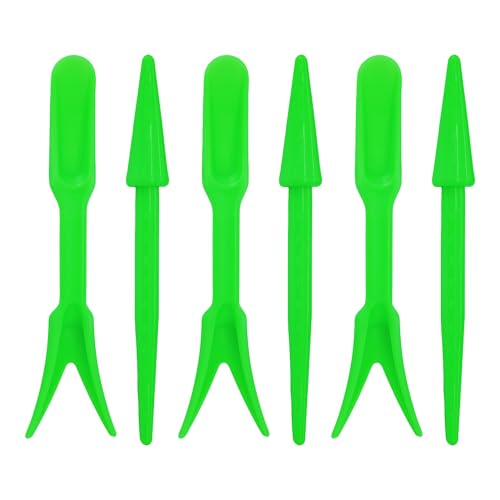
Package Including: You will receive 6PCS Mini Garden Hand Succulent Transplanting Tools. Transplanting widger for delicate plant handling and seedling dibber for precise planting and sowing.
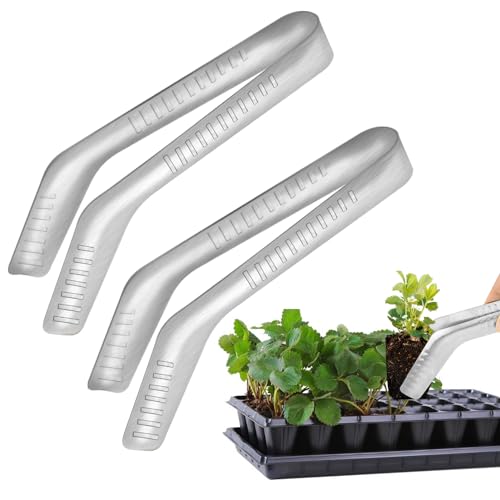
🌱Durable Material: The whole body of the plant transplanting tongs is made of high-quality stainless steel, easy to clean and does not rust, very durable.
Best Time of Day to Transplant Beets
When it comes to transplanting beets, choosing the best time of day can make a difference in the success of your beets’ transition. Here are some tips to help you optimize the timing of this crucial step:
- Early Morning: Consider transplanting your beets early in the morning. This allows the plants to adjust to their new environment during the cooler part of the day.
- Late Afternoon or Evening: Alternatively, transplanting in the late afternoon or evening is another suitable option. This timing gives the beets time to settle in overnight, minimizing stress from the heat and sun.
- Avoid Midday Transplanting: It’s best to steer clear of transplanting during the midday heat. This period can be too intense for the seedlings, increasing the risk of transplant shock.
By being mindful of the timing of your beet transplant, you can give your seedlings the best chance to thrive in their new home.
How to Prepare Soil for Transplanting Beets
To ensure the success of your beet transplants, properly preparing the soil is crucial. Here are some steps to get your soil ready for transplanting:
- Clear the Area: Remove any weeds, rocks, or debris from the planting site.
- Loosen the Soil: Use a garden fork or tiller to loosen the soil to a depth of at least 6 inches.
- Add Compost: Incorporate compost into the soil to improve its fertility and structure.
- Check pH Levels: Test the soil pH and adjust it to around 6.0 to 7.0, which is ideal for beet growth.
- Provide Drainage: Ensure proper drainage by amending heavy or clay soil with sand or perlite.
Ensuring Successful Beet Transplantation
When to transplant beets largely depends on the climate and the local weather conditions. Ideally, beets should be transplanted after the last frost date in your area.
- Temperature plays a significant role in successful transplantation. Beets prefer cooler temperatures, so transplant them early in the growing season for the best results.
- Soil preparation is key. Ensure the soil is** loose, rich,** and well-draining before transplanting.
- Watering is important, especially after transplantation. Keep the soil consistently moist, but not waterlogged, to help beets establish themselves in their new environment.
Conclusion
You now understand the key factors for successful beet transplantation. Remember to prepare the soil adequately and choose the right timing based on climate conditions. Transplant your beets after the last frost date and during cooler temperatures for the best outcome. Ensure the soil is loose, rich, and well-draining before transplanting, and keep the soil consistently moist after transplanting to help your beets thrive in their new environment. Happy gardening!
Frequently Asked Questions
When is the best time to transplant beets?
Beets should be transplanted after the last frost date and during cooler temperatures for best results.
What kind of soil is best for transplanting beets?
The soil should be loose, rich, and well-draining before transplanting beets.
Why is consistent moisture important after beet transplantation?
Consistent moisture post-transplantation is crucial to help beets establish themselves in their new environment.
