

Are you eager to grow your own crisp, fresh lettuce but unsure when to start those seeds? You’re not alone! Many gardeners face the same question, and timing can make all the difference between a bountiful harvest and a disappointing crop.
Key Takeaways
- Lettuce Varieties Matter: Different types of lettuce, such as romaine, iceberg, and loose-leaf, have unique growing conditions and flavors; understanding these helps in selecting the right seeds.
- Optimal Growing Seasons: Lettuce thrives in cool temperatures; plant seeds indoors 4-6 weeks before the last frost in spring and in late summer for a fall harvest.
- Climate Considerations: Lettuce grows best in air temperatures between 60°F and 70°F, and soil temperatures between 45°F and 65°F to avoid issues like poor germination and bolting.
- Timing Is Crucial: For successful crops, sow seeds 2-4 weeks before the last frost in spring and 6-8 weeks before the first frost in fall.
- Seed Starting Techniques: Indoor seed starting allows earlier growth with better control; alternatively, direct sowing offers seeds their natural growing environment.
- Continuous Harvest Strategy: Use succession planting every 2-3 weeks for a steady supply of fresh lettuce throughout the season.
Understanding Lettuce Varieties
Different lettuce types thrive in various conditions and offer unique flavors and textures. Knowing these varieties helps you choose the best seeds for your garden.
Types of Lettuce
- Romaine: Known for its crunchiness, romaine is popular in salads and grows best in cooler weather. Its tall, upright leaves provide a distinct texture.
- Iceberg: Iceberg lettuce features a round head and crisp leaves. It prefers moderate temperatures and requires consistent moisture to develop fully.
- Butterhead: With soft, buttery leaves, butterhead varieties like Boston and Bibb excel in taste. These types thrive in cooler springs and fall, providing a tender salad ingredient.
- Loose-leaf: Loose-leaf lettuces don’t form heads and are easy to grow. Varieties like red leaf and green leaf grow quickly, making them suitable for succession planting throughout the season.
- Oak Leaf: Oak leaf varieties have lobed leaves resembling oak tree foliage. They offer a tender texture and can withstand heat better than other types, making them ideal for summer gardens.
Growing Seasons
Lettuce thrives in cool temperatures, and understanding its growing seasons helps ensure successful cultivation.
- Spring Planting: Start seeds indoors 4-6 weeks before the last frost date. Transition seedlings outside when nights stay above 45°F. Direct sow seeds in the garden as soon as soil can be worked.
- Fall Planting: Plant seeds in late summer for a fall harvest. Choose varieties that mature quickly to avoid frost. Protect young plants with row covers if temperatures drop.
- Continuous Harvest: For a steady supply, use succession planting. Sow seeds every 2-3 weeks throughout the spring and fall, ensuring fresh lettuce over a longer period.
- Heat Considerations: In warmer months, select heat-tolerant varieties. Consider shade cloth or strategic planting locations to reduce heat stress on mature plants.
Making the right choices based on lettuce varieties and growing seasons enhances your chances for a fruitful harvest of delicious, fresh greens.
Factors Affecting Seed Starting
Understanding the factors that affect seed starting helps optimize your lettuce growing experience. Two primary considerations include climate conditions and soil temperature.
Recommended Products

PRECISE SOIL TEMPERATURE READINGS: Measures soil temperatures from 20 degrees F to 180 degrees F (0 degrees C to 80 degrees C) with a large, easy-to-read analog dial face - no batteries or digital screens needed for reliable results every time
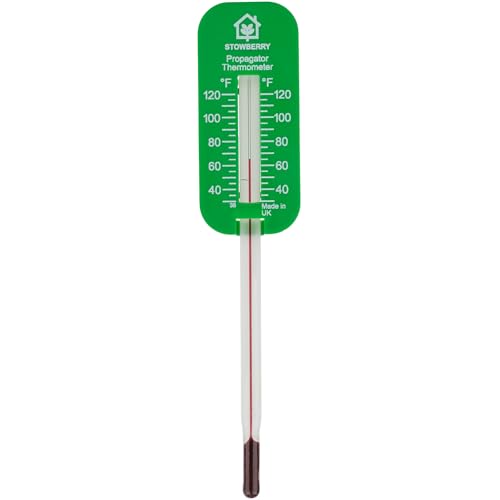
ACCURATE SOIL TEMPERATURE READINGS – Ensure the perfect growing environment for seeds and plants with this greenhouse soil thermometer, designed to give reliable and precise temperature measurements.

Easy-to-read green, yellow, and red tick marks for easy monitoring
Climate Considerations
Climate significantly influences the timing for starting lettuce seeds. Lettuce thrives best in cool conditions, with optimal air temperatures ranging from 60°F to 70°F. In warmer climates, consider planting early in the spring or during the fall to prevent bolting—a condition where lettuce goes to seed prematurely. Exposure to high temperatures above 75°F can adversely affect growth. For instance, if you live in a region with mild winters, you can start your seeds indoors as early as February, ensuring you transplant seedlings before the scorching summer heat sets in.
Soil Temperature
Soil temperature plays a crucial role in seed germination. Lettuce seeds germinate best when soil temperatures range between 45°F and 65°F. If the soil temperature is too low, germination slows down, leading to poor seedling establishment. Conversely, soil temperatures above 70°F can lead to uneven germination and increased risk of bolting. You can easily check the soil temperature by using a soil thermometer. For optimal results, start your seeds indoors if your outdoor soil is still cold, then transplant them outside when conditions are favorable.
By considering climate and soil temperature, you can better determine the appropriate time to start lettuce seeds for a successful garden.
Timing Recommendations
Timing plays a vital role in the success of your lettuce crop. Planting at the right time ensures a bountiful harvest of crisp greens.
Recommended Products

ESSENTIAL SOIL THERMOMETER: A popular soil temperature probe thermometer which can be used in the garden or greenhouse prior to sowing and planting

DURABLE CONSTRUCTION: Solid 20 inch (508 mm) 0.2 inch (5mm) diameter stem; reinforced welded bolt between dial and stem for long-lasting operation and conditions; high quality 304 stainless steel
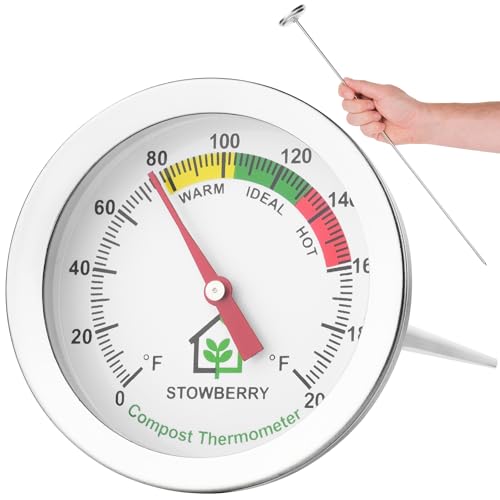
COMPOST THERMOMETER FOR ACCURATE TEMPERATURE MONITORING: Easily track compost temperature levels with this 20 Inch stainless steel probe that reaches deep into piles for precise core readings
Early Spring Planting
Early spring offers an excellent opportunity to start lettuce seeds. Aim to sow seeds about 2 to 4 weeks before the last expected frost date in your area. This timing allows seeds to germinate in cooler soil conditions, ideally between 45°F and 65°F. For quick germination, plant in well-draining soil and keep it consistently moist. A great way to assess your readiness is by checking your local frost dates and using a soil thermometer to confirm temperatures. You can also consider starting seeds indoors and transplanting them once the weather stabilizes.
Late Summer Planting
Late summer planting works well for a successful fall harvest. Plant seeds about 6 to 8 weeks before the first expected frost date. Aim for planting in late August to early September for optimal growth. By this time, temperatures begin to cool, providing the perfect environment for lettuce to thrive. Ensure your soil retains moisture, especially if late summer brings heat. Shade cloth can help protect seedlings during particularly hot days. This approach offers a continuous supply of fresh lettuce as earlier crops mature.
Techniques for Starting Seeds
Starting lettuce seeds can occur either indoors or directly in the garden. Each method has its advantages and fits different conditions.
Recommended Products

EASIER SEED STARTING: Our Burpee SuperSeed tray with 36 flexible pop-out cells is designed to simplify indoor seed starting for all your favorite vegetables, flowers and herbs. Just add seed starting mix, seeds, water and light to get growing! Rows are labeled alphanumerically for seedling identification with included Plant-o-Gram diagram. Tray dimensions: 11.5" x 10-3/8" x 2-1/4"
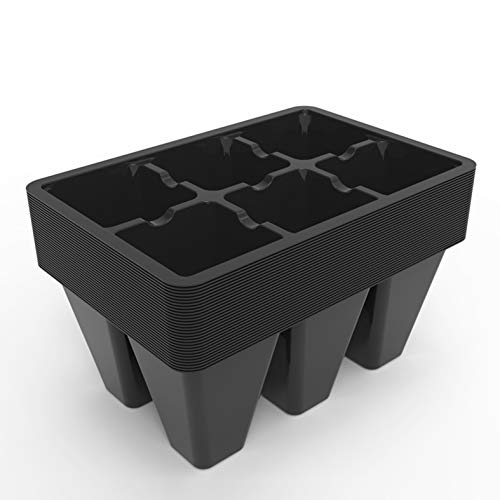
High Quality and Durable - Our Gardzen Seed Start Trays are made from premium plastic material, ensuring long-lasting use for all your seed starting needs. These trays are designed to withstand daily wear and tear, making them perfect for avid gardeners.

EASIER SEED STARTING: Our Burpee SuperSeed tray with 8 extra-large flexible pop-out cells is designed to simplify indoor seed starting. Just add seed starting mix, seeds, water and light to get growing! Perfectly sized for starting seeds in the windowsill: 11.5" x 5-3/16" x 2-1/4". Rows are labeled alphanumerically for seedling identification with included Plant-o-Gram diagram.
Indoor Seed Starting
Indoor seed starting offers control over the environment. It allows you to start seeds early, extending your growing season.
- Choose Seed Trays: Use seed trays or small pots with drainage holes.
- Select Appropriate Soil: Use a seed-starting mix, which promotes healthy root development.
- Plant Seeds: Sow seeds about ¼ inch deep. Space them according to packet instructions—typically 2 to 4 inches apart.
- Maintain Warmth and Moisture: Keep the soil temperature between 65°F and 70°F. Use a heat mat if necessary. Mist the soil to keep it moist but not soggy.
- Provide Light: Use grow lights or a sunny windowsill. If using lights, keep them a few inches above the seedlings.
- Thin Seedlings: Once true leaves appear, thin seedlings to prevent overcrowding, leaving the strongest plant in each cell.
Direct Sowing
Direct sowing saves time and provides lettuce with its natural growing conditions.
- Select the Right Timing: Direct sow seeds in early spring or late summer for fall harvests. Plant about 2 to 4 weeks before the last expected frost in spring or 6 to 8 weeks before the first expected frost in fall.
- Prepare the Soil: Choose a well-draining, fertile garden bed. Loosen the soil and amend it with compost if necessary.
- Sow Seeds: Scatter seeds on the surface and lightly cover them with soil, ensuring they’re no deeper than ¼ inch.
- Water Gently: Water the area gently to settle the soil. Maintain consistent moisture, particularly in warmer months.
- Monitor for Germination: Check for germination within 7 to 14 days. If conditions are hot, consider shading the area until seedlings establish.
Both indoor and direct sowing techniques allow you to grow healthy lettuce. Choose the method that best fits your gardening schedule and local climate conditions.
Conclusion
Getting the timing right for starting your lettuce seeds can make all the difference in your garden. By paying attention to the specific needs of different lettuce varieties and understanding your local climate you can set yourself up for a bountiful harvest. Remember to consider soil temperature and moisture levels as you plan your planting schedule.
Whether you choose to start seeds indoors or sow them directly in your garden both methods have their benefits. With a little patience and care you’ll be enjoying fresh, crisp lettuce in no time. Happy gardening!
Frequently Asked Questions
When is the best time to start lettuce seeds?
The ideal time to start lettuce seeds is in early spring, about 2 to 4 weeks before the last expected frost. For a fall harvest, sow seeds approximately 6 to 8 weeks before the first expected frost, typically in late August to early September.
What lettuce varieties are best for cool seasons?
Cool-season varieties include romaine, butterhead, and loose-leaf. These types thrive in cooler air and soil temperatures, making them perfect for spring and fall planting.
How does soil temperature affect lettuce germination?
Lettuce seeds germinate best in soil temperatures ranging from 45°F to 65°F. Checking soil temperature with a thermometer is key to ensuring good seed germination.
Can I start lettuce seeds indoors?
Yes, starting lettuce seeds indoors allows for better control over the growing environment. It enables early planting and can extend the growing season when outdoor conditions are unfavorable.
What is succession planting for lettuce?
Succession planting is the practice of sowing seeds at intervals to ensure a continuous harvest. For lettuce, this means planting every few weeks to enjoy fresh greens throughout the growing season.
How do I prepare the soil for lettuce?
To prepare the soil for lettuce, ensure it is well-drained, rich in organic matter, and free from weeds. Tilling and adding compost or a quality seed-starting mix can enhance soil quality.
What conditions promote bolting in lettuce?
High temperatures and prolonged periods of heat can cause lettuce to bolt, or flower prematurely. Ensuring soil moisture and providing shade during hot spells can help prevent this.
How often should I water lettuce seedlings?
Water lettuce seedlings regularly, ensuring the soil stays consistently moist but not soggy. It’s essential to monitor the moisture levels, especially during warm weather.
