

Ever thought about growing your own fresh green leaf lettuce right in your kitchen? If you’re tired of store-bought greens that wilt before you can use them, you’re not alone. Many people are discovering the joy of indoor gardening, and lettuce is one of the easiest crops to start with.
Imagine snipping off a few leaves for your salad, knowing they were grown just steps away. Not only does this save you money, but it also gives you the satisfaction of nurturing your plants. This article will guide you through simple steps to create the perfect indoor environment for your lettuce, ensuring you enjoy crisp, homegrown greens all year round.
Key Takeaways
- Green Leaf Lettuce Varieties: Choose from butterhead, oakleaf, or looseleaf types based on your culinary preferences for a diverse indoor gardening experience.
- Optimal Growing Conditions: Lettuce thrives in bright, indirect light for 12-16 hours, with temperatures between 60°F and 70°F. Maintain humidity levels of 40-60% for best results.
- Growing Methods: Consider hydroponics for fast, soil-free growth or traditional soil-based growing for a simpler approach, each providing unique benefits.
- Planting and Maintenance: Use well-draining containers, keep soil moist, and fertilize every two weeks once seedlings mature to foster robust growth.
- Pest and Disease Management: Be vigilant against pests like aphids and spider mites. Implement organic treatments and maintain cleanliness to prevent infestations and diseases.
- Harvesting Success: With proper care, expect to harvest your green leaf lettuce in 4-6 weeks, enjoying fresh greens at home year-round.
Understanding Green Leaf Lettuce
Green leaf lettuce is a popular choice for indoor gardening. Its crisp texture and vibrant color make it a staple for salads and sandwiches. Understanding its characteristics and benefits helps you grow it successfully.
Nutritional Benefits
Green leaf lettuce is rich in vitamins A, C, and K. It provides essential minerals like iron and calcium. With low calorie content, it supports weight management. Eating this lettuce boosts your immune system and promotes healthy skin. Incorporating fresh green leaf lettuce into your diet enhances overall nutrition.
Varieties of Green Leaf Lettuce
Several varieties of green leaf lettuce exist. Each offers unique flavors and textures.
- Butterhead: Tender, buttery leaves; perfect for salads and wraps.
- Oakleaf: Delicate, lobed leaves; ideal for garnishes or mixed greens.
- Looseleaf: Grows in clusters; great for continuous harvest throughout the season.
Selecting the variety that suits your taste helps ensure a satisfying indoor gardening experience.
Essential Growing Conditions
Creating the right environment is crucial for growing green leaf lettuce indoors. Start with a focus on light, temperature, and humidity to ensure healthy growth.
Recommended Products
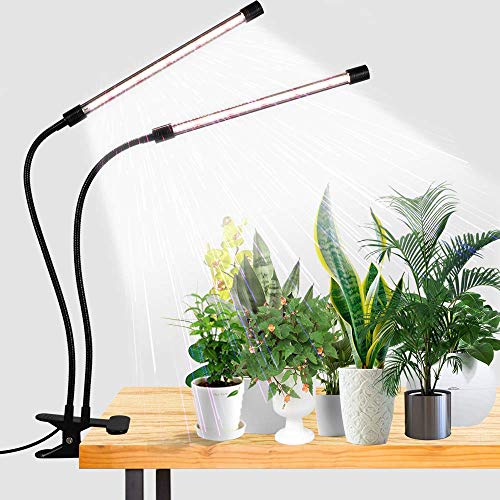
6000K White Light - equipped with 10 Red + 74 White LEDs, this growing Lamp is similar to the full-spectrum sunlight at noon,that is professionally designed for indoor garden plants.Moreover, its color rendering index is as high as 95, the light is soft and flicker-free, which is very suitable for reading lamp

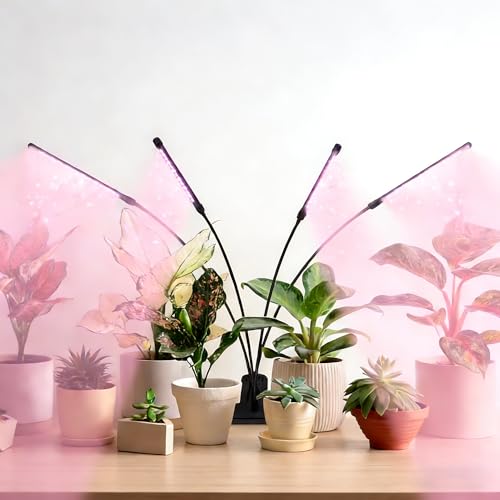
Full Spectrum LED Technology: Equipped with 80 red and blue LED beads across 4 heads, delivering full-spectrum illumination that simulates natural midday sunlight, covering the entire 460-660nm visible spectrum essential for plant photosynthesis. Enhanced 660nm red light promotes flowering, fruiting, and extended bloom periods, while blue light boosts chlorophyll synthesis to support robust vegetative growth
Light Requirements
Lettuce thrives in bright, indirect light. Aim for at least 12-16 hours of light daily. If natural light isn’t sufficient, consider using grow lights. Full-spectrum LED lights work well, providing the necessary spectrum for photosynthesis. Position lights about 6-12 inches above the plants, adjusting as they grow. Rotate your pots weekly to promote even growth.
Temperature and Humidity
Lettuce prefers temperatures between 60°F and 70°F. Maintain this range for optimal growth and flavor. Extremes can lead to bolting or poor taste. Humidity levels between 40-60% are ideal. If the air is too dry, consider using a humidifier or placing a tray of water near your plants to increase moisture. Regularly check conditions to ensure your lettuce remains happy and healthy.
Indoor Growing Methods
Growing green leaf lettuce indoors can happen through two primary methods: hydroponics and soil-based growing. Each method offers unique benefits and variations for cultivating your greens.
Recommended Products

PATENTED SMART HYDROPONIC SYSTEM: Take your indoor gardening to the next level with our patented smart hydroponic system, featuring the exclusive LetPot app. With just a few taps on your phone, you can effortlessly adjust the 0-24 hours LED lighting schedule to provide your plants with the perfect amount of light and precies on/off time. Our innovative reminder system also ensures you never forget to water your plants again, making growing healthy and vibrant plants easier than ever before.

SPACE-SAVING COUNTERTOP HYDROPONIC GARDEN: Compact hydroponic garden tucks neatly under cabinets or on narrow countertops, turning unused nooks into a productive indoor gardening system for small homes and busy cooks.

Hydroponics
Hydroponics allows you to grow lettuce without soil, using a nutrient-rich water solution instead. This method accelerates growth and provides precise control over nutrients.
- Choose a Hydroponic System: Systems can include deep water culture, nutrient film technique, or aeroponics. Select one that suits your space and budget.
- Set Up the System: Assemble your chosen system according to the instructions. Ensure proper light access; positioning your setup near a window or using grow lights is crucial.
- Prepare the Nutrient Solution: Mix water with a balanced hydroponic nutrient solution following the manufacturer’s instructions. Regularly monitor and adjust pH to maintain appropriate levels (typically between 5.5 and 6.5).
- Plant the Seeds: Start seeds in net pots with growing mediums such as rock wool or clay pellets. Place the pots in the system and ensure roots are submerged in the nutrient solution.
- Monitor Growth: Check water levels, nutrient concentration, and plant health weekly. Expect harvest-ready lettuce in about 4-6 weeks.
Soil-Based Growing
Soil-based growing involves planting lettuce in a quality potting mix, providing a more traditional approach. This method is often more accessible for beginners and requires minimal setup.
- Select the Right Pot: Use containers with good drainage. A 6-8 inch deep container works well for most lettuce varieties.
- Prepare the Soil: Choose a lightweight, well-draining potting mix rich in organic matter. This helps retain moisture while allowing airflow to the roots.
- Sow Seeds: Directly plant seeds about 1/4 inch deep and 1 inch apart. For a continuous harvest, stagger plantings every couple of weeks.
- Water Wisely: Water the soil evenly until damp, avoiding overwatering. Allow the top inch of soil to dry between waterings.
- Provide Adequate Light: Place your containers in a location that receives 12-16 hours of bright, indirect light. Adjust light position as plants grow to ensure even growth.
- Watch for Pests and Diseases: Regularly inspect plants for pests like aphids or diseases such as downy mildew. Treat problems promptly with organic pesticides or fungicides.
Both hydroponics and soil-based methods provide effective ways to enjoy homegrown green leaf lettuce. Choose the method that fits your lifestyle best, and start growing fresh greens year-round.
Step-by-Step Growing Guide
Follow these steps to successfully grow green leaf lettuce indoors.
Choosing Containers
Select containers that provide adequate drainage. Use pots or trays with holes at the bottom to prevent water accumulation. For smaller spaces, consider 6- to 8-inch pots. If you’re growing multiple plants, choose a larger container or a window box. Ensure the materials are safe for indoor use, like plastic, ceramic, or biodegradable options.
Planting Seeds
Start by filling your chosen container with a quality potting mix. Leave about an inch of space at the top. Scatter seeds evenly across the surface, aiming for about 1 inch apart. Lightly cover the seeds with soil about 1/4 inch deep. Firm the soil gently to ensure good seed-to-soil contact. Mist the surface with water to avoid displacing seeds. Keep the container in a warm area, ideally around 70°F, until germination occurs in 7 to 14 days.
Watering and Nutrition
Water your lettuce consistently but avoid overwatering. The soil should remain moist but not soggy. Check daily, especially during warmer days. Aim for about 1 inch of water per week. Once seedlings develop their first true leaves, start fertilizing. Use a balanced, water-soluble fertilizer diluted to half strength every two weeks. This approach provides essential nutrients for healthy growth. Keep an eye out for signs of nutrient deficiency, such as yellowing leaves, which may require adjustment in feeding.
Common Pests and Diseases
Pests and diseases can affect indoor green leaf lettuce. Identifying and addressing these concerns early helps maintain healthy plants.
Recommended Products

Plant insecticide to protect your roses and edibles from listed damaging pests


Plant insecticide to protect your roses and edibles from listed damaging pests
Identification and Prevention
Recognize common pests that can invade your indoor garden. Aphids, whiteflies, and spider mites often target lettuce. Check the undersides of leaves for small insects or webbing. Yellowing leaves or stunted growth may signal a pest problem.
Prevent these issues with proper cleanliness. Clean containers and tools before use. Ensure good air circulation around your plants. Keep humidity levels in check since overly damp environments attract pests. Consider using sticky traps to monitor pest activity.
Organic Treatment Methods
Opt for organic methods to treat infestations. Spray a mixture of water and dish soap on affected areas. This solution suffocates pests without harming the plants. Neem oil can also be effective against insects and fungi. Dilute neem oil with water and spray it on your lettuce, following the product instructions.
For diseases like powdery mildew, improve air circulation and reduce humidity. Remove infected leaves promptly to prevent spreading. Maintaining proper plant spacing ensures that air flow around your lettuce stays optimal.
Conclusion
Growing green leaf lettuce indoors is a rewarding experience that brings fresh flavors right to your kitchen. You’ll love the convenience of having your own greens available whenever you want them.
By following the steps outlined in this guide you can create the perfect environment for your lettuce to thrive. Whether you choose hydroponics or soil-based growing you’ll find joy in nurturing your plants and watching them flourish.
With a little care and attention you can enjoy the benefits of homegrown lettuce all year round. So grab your pots or hydroponic system and get started on your indoor gardening adventure!
Frequently Asked Questions
What are the benefits of growing green leaf lettuce indoors?
Growing green leaf lettuce indoors offers fresh, homegrown greens that don’t spoil quickly. It allows you to enjoy the satisfaction of nurturing plants while ensuring a constant supply of nutritious lettuce for salads. Indoor gardening also reduces the need for store-bought options, which can be unsatisfying.
What types of green leaf lettuce can I grow indoors?
You can grow several types of green leaf lettuce indoors, including Butterhead, Oakleaf, and Looseleaf. Each type has its unique flavor and texture, making your indoor gardening experience diverse and enjoyable.
What are the ideal growing conditions for indoor lettuce?
Indoor lettuce thrives in bright, indirect light for 12-16 hours daily, with a temperature range of 60°F to 70°F and humidity levels between 40-60%. Using full-spectrum LED grow lights and maintaining proper moisture is crucial for healthy plants.
How do I grow lettuce indoors using hydroponics?
To grow lettuce hydroponically, select an appropriate system, set it up, and prepare a nutrient-rich water solution. Plant seeds in the system and regularly monitor growth and nutrient levels to ensure optimal conditions for your lettuce.
What is the soil-based method for growing lettuce indoors?
Soil-based growing involves using quality potting mix in containers with good drainage. Prepare the soil, sow the seeds, and water consistently. Ensure adequate light and monitor for pests or diseases to maintain healthy plants.
How do I take care of indoor lettuce plants to prevent pests?
To prevent pests on indoor lettuce, maintain cleanliness, ensure good air circulation, and monitor humidity levels. Early identification and treating infestations with organic methods, like neem oil or soap solutions, are key to successful pest management.
What are the common pests and diseases for indoor lettuce?
Common pests affecting indoor lettuce include aphids, whiteflies, and spider mites. Diseases such as powdery mildew can also occur. Monitoring your plants regularly and using preventive measures can help keep your lettuce healthy and thriving.
How often should I water my indoor lettuce?
Water indoor lettuce consistently, keeping the soil lightly moist but not soggy. Watering frequency will depend on light conditions and humidity but generally occurs every few days. Ensure proper drainage to prevent root rot.
