

Ever wondered when the perfect time is to sow those vibrant, earthy beets in your garden? Picture this: you’re eager to start your beet-growing journey, but you’re not quite sure when to begin. Don’t worry, we’ve got you covered! In this article, we’ll unravel the mystery of the ideal timing for sowing beets, so you can cultivate a bountiful harvest with confidence.
Understanding Beet Seeds
When it comes to sowing beets, choosing the right seeds is crucial. Select high-quality seeds to ensure a successful harvest. Look for certified organic seeds from reputable suppliers to guarantee optimal growth.
Beet seeds are typically round and small, resembling rough grains of sand. They come in various colors, including red, golden, and striped. Each seed has the potential to grow into a vibrant beetroot, so handle them with care.
Before planting, check the seed viability by conducting a germination test. Place a few seeds between damp paper towels and keep them in a warm area. After a few days, observe how many seeds have sprouted. This test helps you determine the ideal sowing density for your garden.
When sowing, ensure that the soil temperature is above 50°F for optimal germination. Plant the seeds in deep, well-drained soil to encourage healthy root development. Remember to water gently after planting to provide the seeds with the moisture they need to start growing.
Recommended Products

TOP-RATED NUTRITIONAL HEIRLOOM: Detroit Dark Red is a premium, high-yielding, and stress-resistant beet variety that stands at the pinnacle of root vegetables. This all-season favorite is a mid-early universal cultivar, perfect for consistent home harvests of professional quality.

These finest quality USDA Organic Golden Detroit Beet Seeds produce golden orange and yellow beetroots. They're fast growers with a unique look and a crisp, sweet taste ideal for cooking and salads.

ITALIAN GARDEN COLLECTION: This pack is designed for lovers of Italian cuisine, featuring a flavorful selection of classic herbs, vegetables, and peppers. Perfect for creating fresh, homegrown ingredients for sauces, pastas, and Mediterranean dishes.
Factors Influencing Sowing Time
When deciding when to sow beets, there are several important factors to consider to maximize your chances of a successful harvest:
- Climate: Beets thrive in cooler temperatures, making early spring or late summer ideal for planting in most regions.
- Soil Temperature: Ensure the soil is at least 50°F for optimal germination, as beets prefer warm soil to sprout.
- Weather Conditions: Avoid planting during periods of excessive rain or drought, as this can impact seed germination and plant growth.
- Frost: Watch out for late spring frosts that can damage young beet plants. Protect them with row covers if frost is expected.
- Harvest Time: Consider when you want to harvest your beets. Sow earlier for a spring harvest or later for a fall crop.
By keeping these factors in mind, you can determine the best time to sow your beet seeds for a bountiful harvest.
Best Time to Sow Beets
When it comes to sowing beets, timing is key. Beet seeds should be planted directly into the ground as they do not transplant well. Here’s a guide to help you determine the best time to sow your beets:
- Soil Temperature: Aim to sow your beet seeds when the soil temperature is around 50°F. Colder soil can delay germination, while warmer soil speeds it up.
- Weather Conditions: Choose a time when the weather is stable, avoiding extreme heat or cold spells. Consistent moisture is crucial for seed germination.
- Climate Consideration: Beets thrive in cooler weather, making them ideal for early spring or late summer plantings in some regions.
- Frost Risks: Keep in mind that beets can tolerate light frost, but it’s best to plant them well before the first hard frost to ensure a good harvest.
- Desired Harvest Times: Depending on the variety, beets can be ready for harvest in about 50-70 days. Plan your sowing time based on when you want to enjoy your fresh beets.
Sowing beets at the right time sets the stage for a successful harvest. By considering these factors, you’ll maximize the chances of growing healthy and delicious beets in your garden.
Tips for Successful Beet Sowing
When it comes to sowing beets, there are some key tips that can help you achieve a successful harvest. Here’s what you need to know:
- Choose the Right Variety: Opt for beet varieties that suit your climate and desired harvest time.
- Prepare the Soil: Ensure your soil is well-drained and rich in organic matter for healthy beet growth.
- Sow Seeds Correctly: Plant seeds ½ inch deep and 1-2 inches apart to allow for proper root development.
- Keep Soil Moist: Water consistently to keep the soil moist but not waterlogged for optimal beet growth.
- Protect from Pests: Use row covers or other methods to shield young beets from pests like beet leafhoppers.
- Monitor Growth: Keep an eye on growth progress to address any issues promptly and ensure a successful harvest.
- Harvest Timely: Depending on the variety, beets are ready for harvest in 50-70 days. Harvest when they reach the desired size for best flavor.
By following these tips, you’ll be on your way to successfully sowing and growing delicious beets in your garden.
Recommended Products

ANNUAL DEER FOOD PLOT SEED: Sugar Beets are annual forage plants grown for deer food plots, wildlife management, livestock forage, and cover crop use. Ideal for hunters, landowners, farmers, ranchers, and wildlife managers.
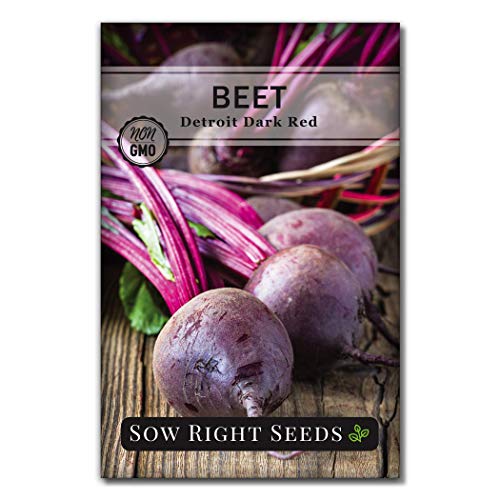
Beautiful - Large premium packet of Detroit Dark Red Beet (Beta var. ‘Detroit Dark Red’) seeds. Vivid, dark red 2-3" round beets have sweet flesh and tasty edible greens. This resilient variety can tolerate temperature variations, offering high productivity even in less-than-ideal soil conditions. Minimum of 1.5 g per packet (about 90 seeds).

HIGH GERMINATION RATE – PLANT WITH CONFIDENCE: Achieve impressive germination with our Detroit Dark Red Beet seeds, ensuring consistent growth and a rewarding gardening experience for both novice and experienced gardeners. Enjoy a bountiful and healthy harvest.
Conclusion
Now that you’ve learned the key factors for sowing beets successfully, you’re well-equipped to start your own beet-growing adventure. Remember to choose the right variety, prepare your soil diligently, plant your seeds with care, and keep a close eye on your beet plants as they grow. By following these simple yet crucial steps, you’ll be on your way to enjoying a bountiful harvest of fresh, flavorful beets straight from your garden. Happy planting!
Frequently Asked Questions
When is the best time to sow beets?
The best time to sow beets is in early spring for a summer harvest or late summer for a fall harvest.
How do I choose the right beet variety for my climate?
Choose beet varieties that are suited to your climate and growing season length. Consult with your local nursery or extension office for recommendations.
How should I prepare the soil for planting beets?
Prepare well-drained, loose soil rich in organic matter by tilling and adding compost or aged manure before planting beets.
What is the correct way to plant beet seeds?
Plant beet seeds about 1 inch apart and half an inch deep in rows spaced about 12 inches apart.
How can I ensure proper soil moisture for beet growth?
Keep the soil consistently moist, but not waterlogged, by watering regularly and mulching around the plants to retain moisture.
How can I protect my beets from pests?
Protect beets from pests like aphids and flea beetles by using row covers or organic pest control methods.
How do I monitor the growth progress of my beets?
Monitor the growth progress of beets by checking for proper leaf development and gently pulling back soil to inspect root size.
When is the best time to harvest beets for optimal flavor?
Harvest beets when they reach about 1 to 3 inches in diameter for the best flavor and tenderness.
