

Wondering when the best time is to plant tomatoes in Kansas? Picture this: craving those juicy, homegrown tomatoes for your summer salads but unsure of the ideal planting schedule. You’re not alone in this dilemma.
Key Takeaways
- Understanding the Kansas climate is crucial for successful tomato cultivation, considering temperature variations and seasonal impacts.
- Early spring planting between late April and early May is ideal for establishing strong roots before summer heat, while late planting around mid-June can still yield a decent crop.
- Choosing suitable tomato varieties like Early Girl or Celebrity, preparing well-draining soil with organic matter, and providing proper care post-planting are essential for a bountiful harvest in Kansas.
- Water tomatoes deeply but infrequently, monitor pests/diseases, ensure adequate sunlight and spacing for optimal growth.
- Harvest ripe tomatoes based on color, texture, and smell cues; prolong the harvest season through successive plantings, pruning, mulching, and using support systems.
Understanding the Kansas Climate
When it comes to planting tomatoes in Kansas, understanding the local climate is crucial for a successful harvest. Let’s delve into how seasons and weather patterns affect tomato growing in this region.
The Impact of Seasons on Tomato Growing
In Kansas, the changing seasons play a significant role in determining when to plant tomatoes. Spring is typically the ideal time to start your tomato plants indoors before transplanting them outdoors after the last frost date. Summer provides warm temperatures for optimal growth, while fall may require protection from early frosts to extend the harvesting season.
Temperature and Precipitation Patterns
Kansas experiences diverse temperature and precipitation patterns throughout the year. Summers are hot, with temperatures often exceeding 90°F (32°C), creating favorable conditions for tomato growth. However, adequate watering is essential during dry spells to prevent heat stress.
During spring and fall, fluctuating temperatures can pose challenges for young tomato plants. Sudden temperature drops or late frosts can damage tender seedlings. It’s advisable to monitor weather forecasts closely and protect your plants with row covers or cloches when needed.
By considering these factors influenced by the Kansas climate, you can plan your tomato planting schedule effectively and increase your chances of a bountiful harvest.
Best Time to Plant Tomatoes in Kansas
When considering the best time to plant tomatoes in Kansas, it’s essential to factor in the local climate and seasonal variations. By understanding the optimal planting windows, you can maximize your tomato yield and enjoy a successful harvest.
Recommended Products

Package Included: You will receive 1 pc red tomato trellis greenhouse cover, the color is long-lasting and not easy to fade. The size is 28.3 x 15.4 x 15.4 inch, appropriate size can meet your usage requirements. (Trellis not included)

Package Includes: You will receive 3 pcs bird netting for square tomato cage, the size is 59 x 17.7 inch, easy to use and appropriate size is suitable for most cages, ideal for protecting plants vegetables from insects, birds and many other animals. (NOT include plant cage)
Early Spring Planting
For Kansas gardeners, early spring is an ideal time to start planting tomatoes. Typically, this period falls between late April and early May when the risk of frost has significantly decreased. Planting your tomatoes during this time allows them to establish strong roots before the summer heat sets in.
To ensure successful early spring planting:
- Choose tomato varieties that are well-suited for Kansas’ climate.
- Prepare the soil by adding organic matter for better drainage and nutrient retention.
- Consider using row covers or mulch to protect young plants from unexpected temperature drops.
Considerations for Late Planting
If you missed the window for early spring planting, late planting can still yield a decent tomato crop in Kansas. Late planting usually occurs around mid-June when temperatures are warmer and more stable. While late-planted tomatoes may not reach full maturity before fall frosts arrive, you can extend their growing season by providing adequate care.
Key considerations for late planting include:
- Selecting fast-maturing tomato varieties such as cherry or grape tomatoes.
- Providing consistent watering to support growth during hot summer months.
- Using shading techniques or temporary covers to shield plants from excessive heat stress.
By adjusting your planting schedule based on these considerations, you can optimize tomato cultivation in Kansas and increase your chances of a plentiful harvest.
Preparing for Tomato Planting
Before planting tomatoes in Kansas, it’s essential to prepare adequately. Here are key steps to ensure successful tomato cultivation in your garden:
Recommended Products

Quick, at home results for Soil pH, Nitrogen, Phosphorous and Potash Innovative and inexpensive soil test kit features an easy-to-use capsule system and patented color comparators

Comprehensive Soil Analysis: Liquid soil test kits offer a comprehensive analysis of essential soil parameters, including pH, ammonia, nitrogen, phosphorus, and potassium. Having all these measurements in one kit provides a holistic understanding of the soil's fertility and health.

KNOW BEFORE YOU GROW | Grow the healthiest, sustainable lawn and garden with the most accurate and easy to use professional soil test kit on the market
Choosing the Right Tomato Varieties for Kansas
For Kansas, opt for tomato varieties that thrive in the local climate. Consider factors like heat tolerance, disease resistance, and days to maturity. Some suitable options include Early Girl, Celebrity, or Sun Gold cherry tomatoes. These varieties are well-suited to Kansas’ growing conditions and can yield a bountiful harvest.
Soil Preparation and Fertilization
Prepare your soil by ensuring it is well-draining and rich in organic matter. Conduct a soil test to determine nutrient levels and pH balance. Amend the soil with compost or aged manure to improve its structure and fertility. Additionally, consider using a balanced fertilizer before planting to provide essential nutrients for healthy tomato growth.
Using Starter Plants vs. Seeds
Decide whether to start your tomatoes from seeds or purchase starter plants. Starting from seeds allows you to choose from a wider variety of cultivars but requires more time and effort. On the other hand, purchasing starter plants provides a head start and simplifies the planting process. Whichever option you choose, ensure proper care during transplanting to promote strong root development.
Caring for Tomatoes in Kansas
After planting your tomatoes, it’s crucial to provide proper care to ensure a bountiful harvest. Here are essential tips on caring for your tomato plants in Kansas:
Recommended Products

30% RECYCLED PLASTIC CONSTRUCTION: Durable tool made from post-consumer recycled plastic, supporting sustainable gardening practices while reducing environmental impact
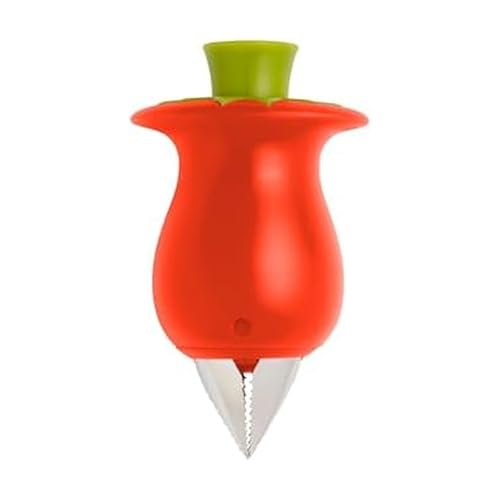
Designed to remove tomato hulls quickly and easily

🫙 Elegant Mason Jar Hydroponic Garden: This countertop garden uses a simple wick hydroponic system inside a classic mason jar to deliver water and nutrients directly to the plant roots.
Watering Needs
For optimal growth, tomatoes need consistent moisture. Water your plants deeply but infrequently to encourage deep root development. Aim for around 1-1.5 inches of water per week, either from rainfall or irrigation. It’s best to water in the morning to allow foliage to dry during the day and reduce the risk of diseases.
Managing Pests and Diseases
Keep an eye out for common tomato pests like aphids, hornworms, and whiteflies that can damage your plants. Consider using organic pest control methods such as neem oil or introducing beneficial insects like ladybugs. To prevent diseases like blight, avoid overhead watering and ensure good air circulation around the plants by spacing them adequately.
Importance of Sunlight and Spacing
Tomatoes thrive in full sun, so make sure they receive at least 6-8 hours of sunlight daily. Proper spacing between plants (around 18-24 inches apart) allows for good airflow and helps prevent overcrowding that can lead to disease issues. Prune any lower leaves touching the ground to reduce soil-borne diseases’ risk.
Harvesting Tomatoes in Kansas
Harvesting your tomatoes at the right time ensures optimal flavor and texture. Here are key aspects to consider.
Signs of Ripeness
Knowing when your tomatoes are ripe is crucial for harvesting. Look for these signs:
- Color: Fully ripe tomatoes should have vibrant colors. Depending on the variety, this could be red, yellow, orange, or even purple.
- Texture: Gently squeeze the tomato; it should yield slightly under pressure without being too soft.
- Smell: Ripe tomatoes often have a sweet, earthy scent at the stem end.
Tips for Prolonging the Harvest Season
To enjoy fresh tomatoes for an extended period, follow these tips:
- Successive Plantings: Stagger planting times to ensure a continuous harvest throughout the season.
- Pruning: Regularly prune suckers and lower leaves to promote airflow and sunlight penetration, aiding in ripening fruit evenly.
- Mulching: Use organic mulch around plants to retain moisture, regulate soil temperature, and reduce weed growth.
- Support Systems: Employ stakes or cages to support heavy fruit-laden branches and prevent damage.
By following these guidelines on harvesting and prolonging your tomato harvest season in Kansas, you’ll savor delicious homegrown tomatoes all summer long.
Conclusion
You now have all the essential tips to grow delicious tomatoes in Kansas. By planting at the right time, providing proper care, and following harvesting guidelines, you can enjoy a bountiful supply of fresh tomatoes throughout the summer. Remember to watch for signs of ripeness, consider successive plantings for an extended harvest season, and use techniques like pruning and mulching to maximize your tomato yield. With these insights, you’ll soon be savoring juicy homegrown tomatoes picked straight from your garden. Happy gardening!
Frequently Asked Questions
When is the best time to plant tomatoes in Kansas?
Tomatoes should be planted in Kansas after the last frost date, typically around late April or early May.
How should I care for my tomato plants in Kansas?
Ensure your tomato plants receive consistent watering, adequate sunlight, and regular pest management to thrive in Kansas.
What are some tips for harvesting tomatoes in Kansas?
Harvest tomatoes when they are firm and fully colored. To prolong the harvest season, consider successive plantings, pruning, mulching, and using support systems.
