

Have you ever wondered how to tell if your tomato plant is in distress? Picture this: you’ve been nurturing your tomato plant for weeks, but lately, something seems off. The leaves are wilting, and the once vibrant fruits are shriveling up. How can you know if your plant is struggling to survive?
In this article, we’ll explore the telltale signs of a dying tomato plant. By understanding what to look for, you’ll be equipped to intervene and potentially save your beloved garden staple. Stay tuned to learn how to identify the visual cues that indicate your tomato plant may be in trouble.
Key Takeaways
- Early signs of a dying tomato plant include wilting leaves and yellowing foliage, indicating stress or nutrient deficiencies.
- Visual symptoms of decline in a tomato plant may include shriveling fruits and sparse growth, signaling underlying health issues.
- Common causes of tomato plant failure can stem from environmental factors like temperature extremes, improper watering, and poor soil quality.
- Diseases and pests such as fungal infections, insect infestations, and bacterial diseases can rapidly deteriorate tomato plants if not managed effectively.
- Nutritional deficiencies like nitrogen, calcium, or potassium deficiency can manifest through visible symptoms affecting the plant’s overall health.
- To prevent tomato plant failure, practice proper watering techniques by maintaining a balance between overwatering and underwatering. Ensure adequate sunlight exposure and use well-draining soil rich in organic matter for healthy root development.
Identifying a Dying Tomato Plant
When it comes to identifying a dying tomato plant, paying attention to certain signs can help you take timely action and potentially save your plant. Below are some key indicators to look out for:
Early Signs of Stress
At the early stages of distress, your tomato plant may exhibit subtle signs that all is not well. Keep an eye out for the following early indicators:
- Wilting Leaves: If you notice the leaves of your tomato plant starting to wilt even after watering, it could be a sign of stress.
- Yellowing Foliage: Yellow leaves on your tomato plant, especially lower down on the stem, may indicate a nutrient deficiency or overwatering.
Visual Symptoms of Decline
As the condition of your tomato plant worsens, more visible symptoms may become apparent. Look for these visual cues that suggest your plant is in decline:
- Shriveling Fruits: When the fruits on your tomato plant start to shrivel up before ripening, it’s a clear indication that something is wrong.
- Sparse Growth: A lack of new growth or sparse foliage compared to before could signal underlying issues affecting the health of your tomato plant.
By staying vigilant and recognizing these signs early on, you can address any problems promptly and give your tomato plant the best chance at recovery.
Common Causes of Tomato Plant Failure
When it comes to the failure of your tomato plants, several factors can contribute to their decline. Identifying these common causes is crucial in addressing the issues promptly and potentially saving your plants from further deterioration.
Recommended Products
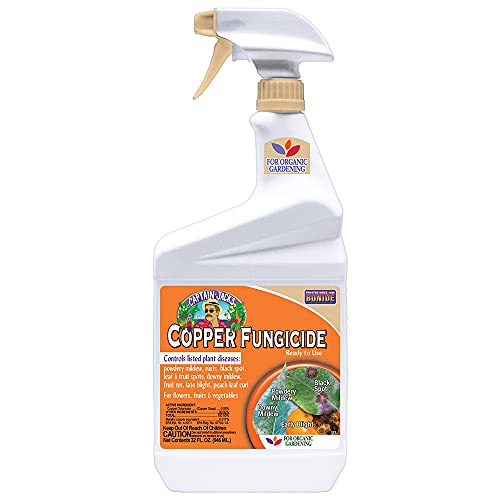
Control fungus and disease in your garden with Captain Jack’s ready-to-use Liquid Copper Fungicide!
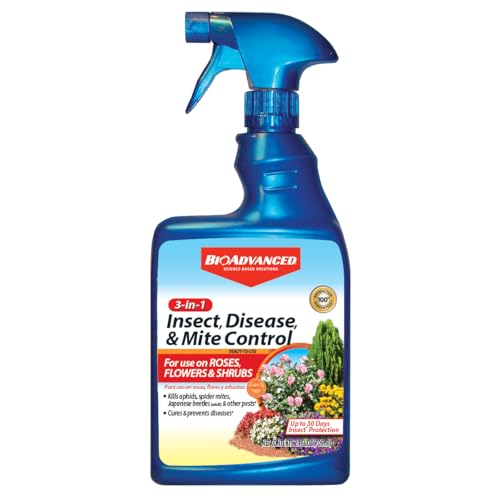
INSECT KILLER: Army worm killer. Also kills insects such as Aphids, Spider Mites, Japanese Beetles, Caterpillars, and other listed insects

Environmental Factors
Environmental conditions play a significant role in the health of your tomato plants. Here are some key environmental factors that can lead to plant failure:
- Temperature Extremes: Fluctuations in temperature, especially sudden drops or spikes, can stress tomato plants, causing wilting and leaf damage.
- Improper Watering: Overwatering or underwatering can both harm tomato plants. Overwatering leads to root rot, while underwatering results in wilting and stunted growth.
- Poor Soil Quality: Inadequate soil drainage or nutrient deficiencies in the soil can negatively impact plant growth and fruit development.
Diseases and Pests
Tomato plants are susceptible to various diseases and pests that can cause them to deteriorate rapidly. Here are some common issues related to diseases and pests:
- Fungal Infections: Diseases like early blight or powdery mildew can affect tomato plants, leading to yellowing leaves, spots on fruits, and overall decline.
- Insect Infestations: Pests such as aphids, whiteflies, or hornworms can damage tomato plants by feeding on foliage or fruits, weakening the plant’s health.
- Bacterial Diseases: Bacterial infections like bacterial spot or bacterial wilt can cause wilting, yellowing leaves, and ultimately plant death if not managed effectively.
Nutritional Deficiencies
Nutritional imbalances in tomato plants can manifest through visible symptoms indicating specific deficiencies. Here are some common nutritional deficiencies that may lead to plant failure:
- Nitrogen Deficiency: Yellowing lower leaves (chlorosis) is a typical sign of nitrogen deficiency in tomato plants.
- Calcium Deficiency: Blossom end rot on tomatoes is often linked to calcium deficiency due to inadequate calcium uptake by the plant.
- Potassium Deficiency: Symptoms include weak stems, leaf scorching at edges, and reduced fruit quality due to potassium deficiency.
By understanding these common causes of tomato plant failure related to environmental factors, diseases and pests, as well as nutritional deficiencies you’ll be better equipped to identify issues early on and take appropriate measures to nurture healthy tomato plants in your garden.
Prevention and Care Strategies
Recommended Products

3-IN-1 PLANT CARE: 3-In-1 Insect, Disease & Plant Mite Control provides insect control, disease control, and plant mite control all in one; Rainproof protection starts in 4 hours and lasts up to 14 days

3-in-1 FORMULA: Aphid spray for outdoor plants for use on roses, flowers, shrubs and trees to control listed insects, disease and mites

3-IN-1 GARDEN CARE SPRAY - Earth’s Ally 3-in-1 Plant Spray is a ready-to-use botanical oil spray designed for indoor and outdoor plant care. The houseplant pest spray effectively kills and controls soft-bodied insects and common plant diseases with a synergistic blend of essential oils.
Proper Watering Techniques
When it comes to caring for your tomato plants, ensuring they receive adequate water is crucial. Remember, overwatering can be as harmful as underwatering. It’s essential to maintain a balance by checking the soil moisture regularly. A general rule of thumb is to water deeply but infrequently, allowing the soil to dry out slightly between watering sessions.
Sunlight and Soil Requirements
Tomato plants thrive in sunlight, so make sure they receive at least 6-8 hours of direct sunlight daily. Position them in a location where they can soak up the sun’s rays effectively. Additionally, pay attention to the soil quality. Opt for well-draining soil rich in organic matter to promote healthy root development and overall plant growth. Consider conducting a soil test to assess its pH level and nutrient content, making any necessary amendments accordingly.
By following these simple yet effective care strategies, you can help prevent your tomato plants from reaching a critical state and ensure they continue to flourish in your garden.
Conclusion
That’s it! By recognizing the distress signals and understanding the causes of a dying tomato plant, you’re better equipped to intervene early. Remember to keep an eye out for wilting leaves, yellowing foliage, shriveling fruits, and sparse growth – these are your plant’s SOS calls. With proper care techniques like watering correctly, providing ample sunlight, and ensuring good soil quality, you can help your tomato plants thrive. Stay attentive to their needs and act promptly at the first sign of trouble to give them the best chance at a healthy life. Happy gardening!
Frequently Asked Questions
How can I identify signs of distress in my tomato plant?
Look for wilting leaves and shriveling fruits as indicators of distress in your tomato plant.
What are the detailed signs of a dying tomato plant?
Early signs include wilting leaves, yellowing foliage, shriveling fruits, and sparse growth.
Why is it important to recognize these signs promptly?
Prompt recognition allows intervention to potentially save the tomato plant from further decline.
What are common causes of tomato plant failure?
Causes include temperature extremes, improper watering, poor soil quality, diseases like fungal infections, pests such as insect infestations, and nutritional deficiencies like nitrogen or potassium.
How can I prevent and care for my tomato plants effectively?
Ensure proper watering techniques, adequate sunlight exposure, and maintain good soil quality to foster healthy tomato plants.
