

Are you eager to kickstart your tomato garden in Phoenix, but unsure about the best time to plant? Picture this: you envision a bountiful harvest of juicy, ripe tomatoes, but timing is key to achieving that goal. When should you sow your tomato seeds or seedlings in the desert climate of Phoenix?
In this article, we’ll guide you on the optimal planting schedule for tomatoes in Phoenix. By understanding the local weather patterns and unique challenges of gardening in this region, you’ll set yourself up for a successful growing season. Let’s explore the factors that influence the ideal planting window and equip you with the knowledge needed to cultivate thriving tomato plants in your Phoenix garden.
Key Takeaways
- Plant tomatoes in Phoenix between late February and March for spring planting, and September through early October for fall planting.
- Ensure tomato plants receive 6-8 hours of sunlight daily in Phoenix to promote healthy growth and fruit production.
- Test soil pH levels, use well-draining soil with a pH of 6.0-6.8, fertilize with a balanced 10-10-10 fertilizer, and water consistently (1-1.5 inches per week) using drip irrigation or soaker hoses.
- Protect tomato plants from excessive sun exposure by providing shade during peak heat hours, manage pests with beneficial insects or organic remedies, and harvest ripe tomatoes based on color, texture, and smell cues.
Understanding the Phoenix Climate for Tomato Growing
In Phoenix, having a good grasp of the climate is crucial for successful tomato cultivation. Here’s what you need to know about the local weather conditions and how they can impact your tomato plants:
Best Seasonal Temperatures for Tomatoes
Phoenix experiences extreme heat during the summer months, which can be challenging for tomato plants. The optimal temperature range for tomatoes to thrive is between 70°F and 85°F. When planting your tomatoes, aim to do so when temperatures are within this favorable range to ensure healthy growth.
The Role of Sunlight Exposure
Sunlight is essential for the proper development of tomato plants. In Phoenix, where sunshine is abundant, ensure your tomato garden receives at least 6-8 hours of sunlight daily. Adequate sunlight exposure helps in photosynthesis, leading to robust plant growth and vibrant fruit production.
By understanding the seasonal temperatures and sunlight requirements specific to Phoenix, you can create an ideal environment for your tomato plants to flourish. Adjusting your planting schedule based on these factors will set you up for a bountiful harvest in your Phoenix garden.
Optimal Planting Windows for Tomatoes in Phoenix
To ensure successful tomato cultivation in Phoenix, it’s essential to plant them at the right times. The local weather and unique challenges must be taken into account for a thriving harvest.
Recommended Products

Easy-to-read green, yellow, and red tick marks for easy monitoring
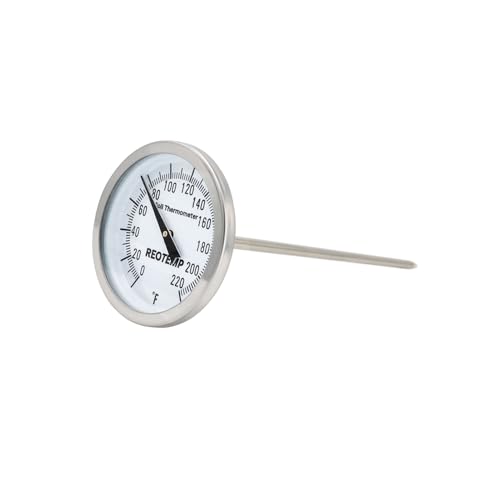
Corrosion Resistant 304 Stainless Steel Case, Bezel and 5" Stem
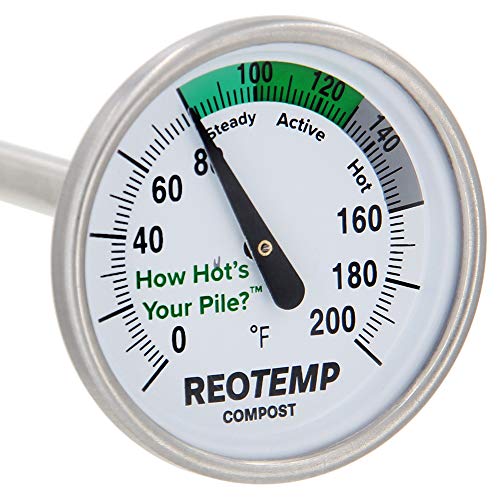
Perfect for the Beginner Composter - Free PDF Digital Compost Guide Included - Expert instructions on how to get started composting and managing your compost pile for the most efficient compost production.
Spring Planting Guidelines
In Phoenix, aim to plant tomatoes in late February through March. This timing allows the plants to establish before the intense summer heat sets in. Ensure soil temperatures are consistently above 60°F for optimal growth.
Fall Planting Considerations
For fall planting of tomatoes in Phoenix, target September through early October. This period provides a window where temperatures start cooling down but remain warm enough for plant development. Be mindful of frost dates when planning your fall planting schedule.
Preparing Your Garden for Tomato Planting
To ensure successful tomato planting in Phoenix, it’s crucial to prepare your garden properly. Here are essential steps to get your garden ready for healthy tomato plants.
Soil Preparation and Fertilization
Begin by testing your soil to determine its pH level and nutrient content. Tomatoes thrive in well-draining soil with a pH level between 6.0 and 6.8. If needed, amend the soil with organic matter like compost or aged manure to improve its structure and fertility.
When fertilizing, choose a balanced fertilizer with equal parts of nitrogen, phosphorus, and potassium (e.g., 10-10-10). Apply the fertilizer based on the recommendations on the package, typically before planting and periodically throughout the growing season.
Watering Needs and Techniques
Tomatoes require consistent watering to prevent issues like blossom end rot or cracking. Ensure your plants receive around 1-1.5 inches of water per week either through irrigation or rainfall.
Consider using drip irrigation or soaker hoses to deliver water directly to the roots while minimizing moisture on leaves, which can lead to diseases. Mulching around tomato plants can also help retain soil moisture and reduce water evaporation.
By following these guidelines for soil preparation, fertilization, and watering techniques, you’ll create an optimal environment for your tomato plants in Phoenix.
Care and Maintenance of Tomato Plants
When growing tomatoes in Phoenix, caring for your plants properly is crucial to ensure a successful harvest. Here are some essential tips to help you maintain healthy tomato plants in the challenging climate of Phoenix.
Dealing With the Phoenix Heat
In the scorching heat of Phoenix, it’s vital to protect your tomato plants from excessive sun exposure. Consider providing shade during the hottest parts of the day using shade cloth or planting taller crops nearby to create natural shade. Mulching around the base of the plants can also help retain moisture and regulate soil temperature, keeping your tomatoes happy despite the intense heat.
Pest Management Strategies
Pests can pose a significant threat to your tomato plants, especially in warm climates like Phoenix. To combat common pests such as aphids, hornworms, or spider mites, regularly inspect your plants for any signs of infestation. You can introduce beneficial insects like ladybugs or lacewings that feed on harmful pests or use organic insecticidal soap as a natural remedy. Additionally, practicing crop rotation and maintaining good garden hygiene by removing debris can help prevent pest buildup and keep your tomato plants healthy throughout their growth cycle.
Harvesting Tomatoes in Phoenix
Harvesting tomatoes at the right time is crucial to enjoy the best flavor and texture. Here’s what you need to know:
Signs of Ripeness
Knowing when your tomatoes are ripe is key to a successful harvest. Look for these signs:
- Color: Fully ripe tomatoes usually have vibrant colors that match the variety.
- Texture: Gently squeeze the tomato; it should give slightly under pressure without being too soft.
- Smell: Ripe tomatoes often have a sweet, earthy aroma at the stem end.
Tips for Picking and Storing
Properly picking and storing your tomatoes can extend their shelf life and preserve flavor. Follow these tips:
- Picking: Always pick tomatoes with care to avoid bruising. Hold the tomato gently and twist it until it separates from the vine.
- Storing: Store ripe tomatoes at room temperature away from direct sunlight. Avoid refrigeration as it can affect taste and texture.
By following these guidelines, you’ll be able to harvest, pick, and store your tomatoes effectively in Phoenix’s unique climate.
Conclusion
Planting tomatoes in Phoenix requires careful timing and attention to detail. By following the suggested planting schedule of late February through March for spring and September through early October for fall, you can optimize your tomato harvest. Remember to prepare your garden properly by testing the soil, applying fertilizer, and implementing proper watering techniques. Protecting your tomato plants from sun damage and pests is crucial for their growth. Harvesting at the right time ensures delicious tomatoes for your meals. With these tips, you’ll be well-equipped to tackle the challenges of growing tomatoes in Phoenix’s unique climate. Happy gardening!
Frequently Asked Questions
When is the best time to plant tomatoes in Phoenix?
Plant tomatoes in late February through March for spring and September through early October for fall to align with Phoenix’s weather conditions.
What are the essential steps for preparing a tomato garden?
Prepare your garden by conducting soil testing, applying fertilizers, and using proper watering techniques to ensure optimal growth.
How can I care for tomato plants in Phoenix?
Protect tomato plants from excessive sun exposure, manage pests effectively, and utilize organic remedies to maintain plant health.
How do I know when to harvest tomatoes?
Harvest tomatoes at the right time by identifying signs of ripeness such as color and firmness to enjoy flavorful fruits.
Any tips for picking and storing harvested tomatoes?
Pick tomatoes gently without squeezing them, store them at room temperature away from direct sunlight, and avoid refrigeration to preserve flavor.
