

Ever wondered who’s been snacking on your ripe tomato plants? Picture this: you’ve lovingly tended to your garden, eagerly anticipating the juicy tomatoes that will soon adorn your salads and sandwiches. But one day, you notice some of your prized plants looking nibbled and wilted. The culprit? A sneaky visitor with a taste for fresh greens.
In this article, you’ll uncover the mystery behind what animals feast on tomato plants. By understanding these hungry intruders, you’ll be equipped to protect your garden and ensure a bountiful harvest. Let’s explore the world of garden pests together and learn how to safeguard your precious tomatoes from their appetites.
Key Takeaways
- Recognize signs of animal activity like partially eaten fruits, jagged leaves, or footprints to identify culprits targeting tomato plants.
- Not all pests harming tomato plants are insects; small mammals like rabbits and rodents can also pose a threat.
- Common mammalian threats to tomato plants include deer, rabbits, squirrels, and chipmunks; use physical barriers or natural repellents for protection.
- Birds such as sparrows, starlings, and robins can damage tomato plants by pecking at fruits; employ netting, scare tactics, noise devices, or companion planting to deter them.
- Insects like cutworms, aphids, and hornworms can threaten tomato plants; introduce beneficial insects or use organic control methods like neem oil spray or diatomaceous earth for protection.
- Effective prevention strategies include installing fences, using natural repellents like garlic spray or hot pepper wax, planting pest-repellent herbs nearby, and employing shiny objects to deter birds.
Overview of Animals That Target Tomato Plants
When it comes to protecting your tomato plants, recognizing signs of animal activity is crucial. By being observant, you can identify the culprits behind the damage and take appropriate action.
Recognizing Signs of Animal Activity
Look out for telltale signs such as partially eaten fruits, leaves with jagged edges, or footprints near your tomato plants. These indicators can help you determine which animals are targeting your garden.
To effectively safeguard your tomatoes, it’s essential to dispel common misconceptions about tomato plant damage. Understanding the truth behind these misconceptions empowers you to implement targeted strategies for protection.
Common Misconceptions About Tomato Plant Damage
Contrary to popular belief, not all pests that harm tomato plants are insects. Small mammals like rabbits and rodents can also pose a threat. By broadening your understanding of potential threats, you can better shield your tomato plants from harm.
Stay vigilant and informed to combat the diverse array of creatures that may have their sights set on your precious tomato plants. By staying one step ahead, you can ensure a bountiful harvest free from unwanted guests.
Mammals That Eat Tomato Plants
If you’re dealing with tomato plant damage in your garden, it’s essential to know which mammals could be the culprits. Here are some common offenders and their impact on tomato growth:
Recommended Products

REPELS DEER AND RABBITS: Deer and rabbits don’t have to eat vegetation for the repellent to be effective—they have a natural aversion to the scent

COMPLETE PROTECTION KIT - Professional-grade 7ft x 100ft deer netting with 3/4" fine mesh that effectively blocks deer, rabbits, birds, and small pests. Includes 10 metal landscape staples and 50 zip ties for immediate installation - everything you need in one package.

Enough Quantity: you will receive 12 pics of square plant cages for garden, there will be 24 sheets of wire mesh plant protector panels, 12 pieces of ground stakes and 50 pieces of nylon cables and we will provide detailed instructions to help you build plant cages for outdoor plants.
Deer and Their Impact on Tomato Growth
Deer can wreak havoc on tomato plants, especially during the growing season. They tend to nibble on leaves, stems, and even ripe fruits, causing significant damage. To deter deer from feasting on your tomatoes, consider using physical barriers like fences or planting deer-resistant varieties.
Rabbits as Frequent Tomato Damagers
Rabbits are notorious for their love of tender young plants, including tomato seedlings. They usually target the lower parts of the plants, leaving behind a telltale sign of half-eaten leaves and stems. To protect your tomato plants from rabbits, install fencing or use natural repellents like garlic or pepper sprays.
Squirrels and Chipmunks: Small but Destructive
Despite their small size, squirrels and chipmunks can also pose a threat to your tomato harvest. These critters are known to dig up newly planted tomatoes or steal ripe fruits right off the vine. To keep squirrels and chipmunks at bay, try placing physical barriers like netting over your plants or using squirrel-proof feeders to distract them away from your precious tomatoes.
By being aware of these mammalian threats to your tomato plants and taking proactive measures to protect them, you can enjoy a bountiful harvest without unwanted guests munching on your hard-earned produce.
Birds and Their Role in Tomato Plant Consumption
How Birds Affect Tomato Plants
Birds can also pose a threat to your tomato plants. They may peck at the fruits, causing damage that affects the plant’s health and productivity. Some common birds known to feed on tomato plants include sparrows, starlings, and robins. These birds are attracted to the bright colors of ripening tomatoes.
Protective Measures Against Birds
To protect your tomato plants from bird damage, consider implementing some practical solutions:
- Netting: Covering your plants with bird netting can prevent birds from reaching the fruits.
- Scare Tactics: Using scarecrows or reflective materials near your tomato plants can deter birds from landing and feeding.
- Noise Devices: Installing noise-producing devices like wind chimes or ultrasonic repellents can help keep birds away.
- Companion Planting: Growing bird-repellent plants such as marigolds or sunflowers near your tomatoes can discourage avian visitors.
By taking these measures, you can safeguard your tomato plants from bird-related harm and ensure a bountiful harvest.
Insects and Bugs as Tomato Threats
When it comes to protecting your tomato plants, insects and bugs can pose a significant threat. Here’s what you need to know about common insect culprits and organic control methods for insects:
Recommended Products

FUNGAL DISEASE CONTROL: Prevents and controls black spot on roses, powdery mildew, rust, downy mildew, and other listed fungal diseases when applied on a 7–14 day schedule

Protect your oasis with 3 garden products in 1 from Captain Jack’s; Bonide Captain Jack’s Ready-to-Use Neem Oil spray for plants is a multi-purpose fungicide, insecticide and miticide for your lawn & garden

PLANT DISEASE CONTROL: Natria Neem Oil acts as an insecticide and fungicide in one convenient spray; Ready-to-use trigger sprayer requires no mixing
Common Insect Culprits
- Cutworms: These sneaky pests feed on young seedlings, cutting them off at the stem base.
- Aphids: Small, pear-shaped insects that suck sap from plants, causing leaves to curl and distort.
- Hornworms: Large green caterpillars that munch on tomato leaves and fruits.
- Beneficial Insects: Introduce ladybugs or lacewings to your garden to prey on harmful bugs.
- Neem Oil Spray: Use a neem oil solution as a natural insecticide to deter pests.
- Diatomaceous Earth: Sprinkle this powder around plants to create a barrier against crawling insects.
By being aware of these common insect threats and employing organic control methods, you can protect your tomato plants effectively and ensure a bountiful harvest.
Effective Prevention and Protection Strategies
To safeguard your tomato plants effectively, consider the following strategies:
Recommended Products
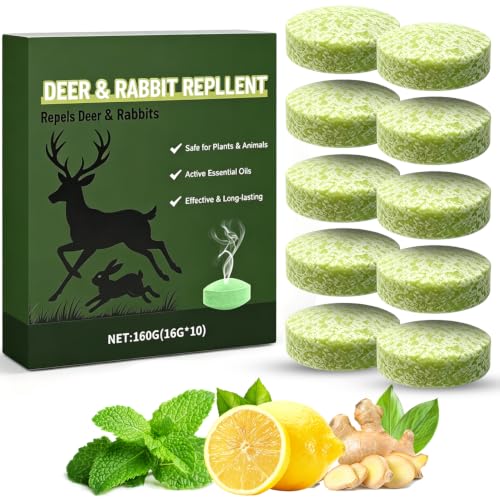
REPEL DEERS & RABBITS: Deer deterrent effectively deters deer and rabbits from eating your plants and trees, stops rabbits from digging up your lawn, Prevent deer, elk, and moose from entering your backyard to nibble on vegetables, plants and trees.

TRUSTED BY PROFESSIONALS: For over 20 years, I Must Garden has been the preferred brand of professional gardeners for use in public gardens and resorts. Trusted for its reliability, durability, and pleasant mint scent

LONG-LASTING PROTECTION: Bobbex Deer Repellent is proven to be the most effective long-lasting spray on the market. Once applied, this deer spray will not wash away
Fencing and Physical Barriers
Install sturdy fences around your garden to keep larger animals like deer and rabbits at bay. Use chicken wire or mesh fencing that extends underground to deter burrowing pests. For raised beds, cover them with hardware cloth to prevent access from ground-dwelling creatures.
Natural Repellents and Deterrents
Utilize natural repellents such as garlic spray or hot pepper wax to discourage animals from feasting on your tomato plants. Plant aromatic herbs like basil or marigolds near your tomatoes to repel insects naturally. You can also hang shiny objects like old CDs or aluminum foil strips to deter birds from landing on your plants.
Conclusion
You’ve now explored the wide range of animals that can pose a threat to your precious tomato plants. From mammals like deer and rabbits to birds such as sparrows and robins, each presents its own challenges. Remember, protecting your plants is key to ensuring a bountiful harvest. By implementing strategies like netting, scare tactics, and companion planting with bird-repellent species, you can safeguard your tomatoes from unwanted guests. Don’t forget about the pesky insects too – be on the lookout for cutworms, aphids, and hornworms. With measures like fencing, natural repellents, aromatic herbs, and shiny objects to deter birds in place, you’re well-equipped to defend your tomato plants against these hungry invaders. Happy gardening!
Frequently Asked Questions
How can I protect my tomato plants from animals?
To protect your tomato plants from animals like deer, rabbits, squirrels, and chipmunks, use fencing, netting, scare tactics, or natural repellents such as garlic spray.
What are the signs of animal activity in my garden?
Signs of animal activity include chewed leaves or fruits, trampled plants, tracks in the soil, and droppings near the tomato plants.
How can I prevent birds from damaging my tomato plants?
To prevent birds like sparrows and robins from damaging your tomato plants, use bird netting, scare tactics like reflective objects or noise devices.
Which insects are common threats to tomato plants?
Common insect threats to tomato plants include cutworms, aphids, hornworms. Use natural repellents or beneficial insects to control them.
What are effective ways to deter animals and insects without harming them?
Effective ways to deter animals and insects without harm include companion planting with aromatic herbs or bird-repellent plants and using shiny objects or hot pepper wax.
